Fire Risk Assessment Central London
Keeping your property safe from fire is a key responsibility. Whether you own a block of flats, manage rental properties or run a business, understanding fire risks can help protect people and prevent serious damage. SafeHome London provides professional fire risk assessment services across Central London. We help landlords, freeholders, managing agents and business owners identify fire hazards, understand their legal duties and take practical steps to improve safety. Our assessments focus on the risks that matter to your building. From fire doors and escape routes to alarm systems and emergency lighting, we review relevant fire safety measures and provide clear findings to help you plan any required improvements.
What Is a Fire Risk Assessment and Why Is It Important?
A fire risk assessment London is a structured review of the fire hazards in a building and the measures used to keep people safe. It considers the chance of a fire starting, the harm it could cause and the steps needed to reduce those risks. For properties covered by fire safety law, a suitable and sufficient assessment is an important legal duty.
Understanding the Purpose of a Fire Risk Assessment
The main purpose of a fire risk assessment is to protect people from fire. An assessor looks at how the building is used, who occupies it and what could happen if a fire starts.
The assessment considers five key stages:
- Identify possible fire hazards.
- Identify people who may be at risk.
- Evaluate the risks and existing safety measures.
- Record the findings and plan improvements.
- Review the assessment when needed.
This approach helps building owners make sensible decisions based on actual risks rather than assumptions.
How Fire Risk Assessments Identify Hazards and Protect Occupants
A fire can spread quickly if a building has poor fire separation, unsafe escape routes or inadequate warning systems. During an assessment, the assessor checks relevant areas and reviews the safety measures in place.
For example, a communal corridor may have suitable fire doors, but one might not close properly. An escape route may be clearly marked, but stored items could block the exit. Finding these problems allows the responsible person to take action before an emergency occurs.
The Difference Between a Fire Risk Assessment and a Fire Safety Inspection
A fire safety inspection usually focuses on the condition of specific safety measures, such as fire doors, alarms or emergency lighting. A fire risk assessment takes a wider view. It considers the building, the people using it, the hazards present and how different safety measures work together.
For example, checking that a fire alarm operates is different from deciding whether the building has a suitable fire detection and warning arrangement. Both services can be important, but one does not automatically replace the other.
What Happens When Fire Safety Risks Are Left Unaddressed?
Ignoring fire hazards can put occupants, visitors and staff in danger. It may also lead to property damage, disruption to business operations and legal action where fire safety duties have not been met.
Common consequences include:
- Greater risk of injury or loss of life
- Faster spread of fire and smoke
- Difficulty escaping during an emergency
- Damage to the building and its contents
- Enforcement action for breaches of fire safety law
- Additional repair costs and operational disruption
A fire risk assessment central London helps you understand these risks and decide what needs attention.
Our Process
Our streamlined process makes it easy to keep your property safe, compliant, and fully certified from start to finish.
Property Details and Booking
Send us details about the property, including its use, size, number of floors and any known concerns. Once the scope is confirmed, we arrange a suitable appointment.
Fire Safety Inspection
Our assessor inspects the relevant areas, checking fire hazards, escape routes, existing fire precautions and management arrangements.
Risk Review and Report
We review the findings to identify risks, assess existing controls and confirm any further action required. You then receive a clear report with prioritised recommendations.
Support With Improvements
If further work is needed, we explain the recommendations and can support you with suitable inspections, maintenance or fire safety remedial works.
Is a Fire Risk Assessment a Legal Requirement in Central London?
Yes. Fire risk assessments are required for premises covered by the Regulatory Reform (Fire Safety) Order 2005 in England and Wales. This includes most workplaces, commercial premises and the common parts of buildings containing two or more domestic premises. The exact requirements depend on the type of building and who controls it.
The Regulatory Reform (Fire Safety) Order 2005 and Its Requirements
The Regulatory Reform (Fire Safety) Order 2005 is the main fire safety law for non-domestic premises in England and Wales. It requires the responsible person to assess fire risks and put suitable precautions in place. These duties include:
Carrying out a suitable and sufficient fire risk assessment
Identifying and reducing fire hazards
Providing suitable means of escape
Maintaining relevant fire safety equipment
Planning for emergencies
Providing appropriate fire safety information and training
Reviewing the assessment when necessary
The rules apply to many workplaces and shared residential areas, including buildings with only a small number of occupants. Changes that took effect on 1 October 2023 also require responsible persons to record their fire risk assessments in full, regardless of business size.
How the Fire Safety Act 2021 Affects Residential Buildings
The Fire Safety Act 2021 clarified the scope of the Fire Safety Order for buildings containing two or more domestic premises. It confirms that the assessment must consider relevant risks involving the building’s structure, external walls and flat entrance doors. This is important for converted houses and purpose-built blocks of flats across Central London. It means the responsible person must not focus only on visible communal spaces while overlooking relevant fire risks linked to the wider building. Some buildings may also need specialist checks of external wall systems.
Fire Safety (England) Regulations 2022 and Building Safety Responsibilities
The Fire Safety (England) Regulations 2022 introduced further duties for residential buildings containing two or more sets of domestic premises. These requirements came into force on 23 January 2023. Requirements vary according to the building. For example, responsible persons must provide residents with relevant fire safety instructions and information about fire doors. Buildings above 11 metres have additional fire door checking requirements. High-rise residential buildings, generally those at least 18 metres tall or with at least seven storeys, are subject to further requirements. These can include information sharing with the fire and rescue service and checks of important firefighting equipment.
Who Is the Responsible Person Under UK Fire Safety Law?
The responsible person is the individual or organisation with legal duties for fire safety at the premises. Depending on the building, this may be:
An employer
A business owner
A landlord or freeholder
A managing agent acting within its area of control
A residents’ management company
Another person with control of relevant premises
There can be more than one responsible person in the same building. For example, a mixed-use property may have separate businesses, a residential managing agent and a building owner. They may need to share information and work together to manage fire risks.
Fire Risk Assessment Requirements for Landlords, Freeholders and Managing Agents
For blocks of flats and many converted residential buildings, fire safety duties apply to shared areas and other parts covered by the Fire Safety Order. These may include corridors, staircases, shared entrance halls and relevant building elements. The responsible person must arrange suitable assessments, maintain appropriate precautions and act on identified risks. Managing agents should also understand which duties they have agreed to carry out and which responsibilities remain with the owner or another party. An assessment report provides useful information, but obtaining the report alone does not complete every fire safety duty.
Fire Safety Enforcement, Compliance Notices and Potential Penalties
Fire and rescue authorities can inspect premises and take enforcement action where fire safety requirements are not met. Depending on the circumstances, action may include an enforcement notice requiring improvements or a prohibition notice restricting the use of unsafe premises. Serious breaches can lead to prosecution, fines and, for certain offences, imprisonment. The best approach is to identify fire risks, keep clear records and complete the required improvements within appropriate timescales.
Common Fire Safety Risks Found in Central London Properties
Central London has a wide range of buildings, from older townhouses to modern offices and apartment developments. Each type of property presents different fire safety challenges. Some problems relate to the age or layout of a building. Others develop through daily use, poor maintenance or changes to how the premises are occupied.
Inadequate Fire Doors, Damaged Seals and Faulty Door Closers
Fire doors are designed to help prevent fire and smoke from spreading. Their performance can be affected by damaged components, poor fitting or incorrect maintenance.
Common defects include:
- Doors that do not close fully
- Damaged or missing intumescent seals
- Excessive gaps around door edges
- Faulty hinges or closers
- Damage to the door leaf or frame
Where defects are found, the assessor may recommend repairs, specialist inspection or replacement, depending on the condition and suitability of the door.
Obstructed Escape Routes and Insufficient Emergency Lighting
Escape routes need to remain available when people need them most. Boxes, bins, furniture and other stored items can block corridors and exits. Poor lighting may also make it difficult to find a safe way out during a power failure. The assessment considers escape arrangements and whether appropriate lighting, signs and management controls are provided.
Inadequate Fire Alarm Coverage and Poorly Maintained Detection Systems
Fire alarms need to be suitable for the building and its occupants. An alarm arrangement that works well in a small office may not be appropriate for an HMO or a building with sleeping accommodation. Common concerns include missing detectors, poor maintenance records or unsuitable alarm coverage. The assessment considers the relevant fire warning arrangements and whether further inspection, testing or improvements are needed.
Electrical Hazards and Unsafe Storage of Combustible Materials
Electrical faults can create fire risks in residential and commercial buildings. Damaged wiring, overloaded sockets and poorly maintained equipment are examples of potential hazards. Combustible materials stored near electrical equipment or heating appliances can increase the risk. An assessor can identify visible concerns and review supporting records. A full electrical inspection, such as an Electrical Installation Condition Report (EICR), is a separate service.
Compartmentation Defects in Converted and Older Buildings
Many Central London properties have been altered or divided into smaller units over time. Changes to walls, ceilings, doors and service routes can affect fire separation. For example, new cables or pipework may pass through fire-resisting walls without suitable fire stopping. A fire risk assessment can identify signs of possible defects and recommend specialist investigation where necessary.
Fire Safety Challenges in Multi-Occupied and Mixed-Use Properties
Buildings used by different households or businesses can have shared fire safety responsibilities. A shop may occupy the ground floor, with offices or flats above. Different occupiers may use separate or shared escape routes. The responsible persons need to understand how fire precautions work across the building. A coordinated approach helps prevent gaps in maintenance, communication and emergency planning.
Why Choose SafeHome London for Fire Risk Assessments?
SafeHome London provides professional fire risk assessment services to help landlords, property owners, managing agents and businesses maintain safer, compliant properties. If you’re searching for fire risk assessment services near me, our experienced fire safety professionals can help identify potential hazards and review existing safety measures in line with relevant UK fire safety legislation, including the Regulatory Reform (Fire Safety) Order 2005. We provide clear assessment reports with practical recommendations and prioritised action plans, helping you understand and address fire safety risks. With convenient appointments, straightforward communication and support for related services such as fire door inspections, fire alarm testing and emergency lighting assessments, SafeHome London makes managing your property’s fire safety requirements easier and more organised.
Fire Risk Assessment Coverage Across Central London
SafeHome London provides professional fire risk assessment services across Central London, helping landlords, property owners, managing agents and businesses meet their fire safety responsibilities. We cover key locations, including Westminster, Victoria, Soho, Covent Garden, Marylebone, Fitzrovia, Mayfair, St James’s, Bloomsbury, Holborn, Paddington, Bayswater, Belgravia and Knightsbridge.
Our fire risk assessments cover a wide range of properties, including offices, shops, restaurants, hotels, blocks of flats, HMOs, historic buildings and converted residential properties. We understand that each building has different fire safety requirements based on its layout, occupancy and use. Our assessments help identify potential fire hazards, review existing safety measures and provide practical recommendations to improve fire safety and support compliance with UK fire safety regulations.
10+
Years of Experience
20,000+
Properties Certified
40+
Talented Engineers
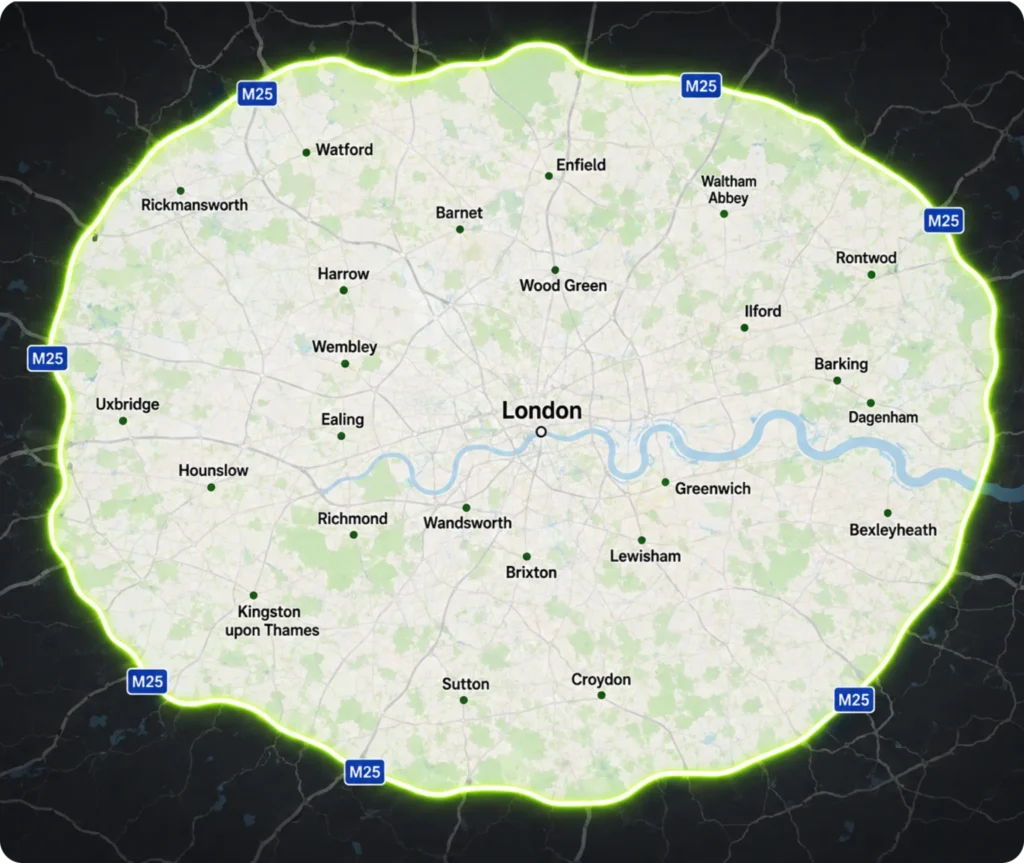
Areas We Cover
North West London
South West London
South East London
Frequently Asked Questions
Is a Fire Risk Assessment Mandatory for Landlords in Central London?
A fire risk assessment is generally required for the common parts of buildings containing two or more domestic premises, including converted houses divided into flats. Landlords may also have duties under housing legislation. The requirements depend on the property, how it is occupied and who controls the relevant areas.
How Much Does a Fire Risk Assessment Cost in London?
The price depends on the building’s size, layout, use and assessment scope. A small communal area may cost less to assess than a large commercial building or complex HMO. Contact SafeHome London with your property details for a quotation based on the work required.
Do I Need a Fire Risk Assessment for a Single Rental Flat?
The inside of a self-contained flat is generally outside the Fire Safety Order. However, if the flat is within a building containing two or more homes, the building’s common parts will normally require a fire risk assessment. Other landlord and housing safety duties may still apply inside the flat.
Who Is Responsible for a Fire Risk Assessment in a Block of Flats?
The responsible person is usually the freeholder, landlord, residents’ management company or another party with control of the relevant parts of the building. A managing agent may carry out duties on behalf of an owner, but legal responsibilities depend on the actual arrangements and level of control.
Can a Landlord Carry Out Their Own Fire Risk Assessment?
A landlord who is the responsible person can carry out an assessment if they have the necessary competence to do so. However, assessing fire risks can require specialist knowledge, particularly in HMOs, converted buildings and larger residential blocks. The responsible person must ensure the assessment is suitable and sufficient, whether they complete it themselves or appoint an assessor.
Can I Book a Fire Risk Assessment Near Me in Central London?
Yes. SafeHome London provides fire risk assessment services across Central London, including Westminster, Soho, Covent Garden, Marylebone, Holborn and surrounding areas. Share your property address, building type and preferred appointment details so we can discuss the required assessment and booking options.
How Quickly Will I Receive My Fire Risk Assessment Report?
The report turnaround depends on the building, assessment scope and any additional information needed. Straightforward assessments may be completed more quickly than complex buildings requiring further review. We can confirm the expected reporting arrangements when discussing your booking.
Can I Arrange Fire Risk Assessments for Multiple Properties?
Yes. If you manage several properties, SafeHome London can discuss the assessment requirements for each building. This can be useful for landlords, letting agents, freeholders and property management companies. Providing a list of addresses, building types and property details helps us prepare suitable quotations and discuss scheduling.
Accreditations