Fire Risk Assessment East London
Keeping people safe from fire is an important responsibility for every property owner, landlord and business. A fire risk assessment London helps you find possible dangers, check existing safety measures and understand what needs to be improved. SafeHome London provides professional fire risk assessment services across East London. We help landlords, freeholders, managing agents and business owners understand fire risks and meet their legal duties. Our assessments cover residential buildings, commercial premises, HMOs, blocks of flats and mixed-use properties. We check key fire safety measures and provide clear reports with practical recommendations. Whether you need your first assessment or an updated report, our team can help you take the next step towards a safer property.
Professional Fire Risk Assessment Services Across East London
A fire risk assessment East London is a careful review of the fire hazards in a building. It looks at how a fire could start, who might be at risk and how people would escape in an emergency. The aim is to reduce the chance of a fire starting and limit the harm it could cause. At SafeHome London, we provide fire safety assessments suited to the size, use and layout of each property. We explain our findings in simple terms so you can make informed decisions about your building.
Fire Safety Assessments for Residential and Commercial Properties
Every building has different fire risks. A small block of flats will not have the same safety needs as a busy office or restaurant. Our assessors consider how the building is used, the people inside it and the fire safety measures already in place. We assess a range of premises, including rental buildings, communal areas, HMOs, offices, shops, restaurants and other commercial properties. The assessment scope is agreed according to the type of building and its fire safety needs.
Identifying Fire Hazards and Reducing Risks to Occupants
Fire hazards are not always easy to spot. Some may develop over time due to poor maintenance, damaged equipment or changes to the building. During an assessment, we look for possible sources of fire and issues that could put people at risk.
These may include:
- Unsafe storage of combustible materials
- Blocked corridors and escape routes
- Damaged or poorly maintained fire doors
- Faulty or unsuitable fire detection systems
- Poorly maintained electrical equipment
- Missing fire safety signs
- Inadequate emergency lighting
Finding these issues early allows you to plan the right safety improvements.
Clear Assessment Reports with Practical Safety Recommendations
A fire risk assessment should help you understand what to do next. Following the inspection, we prepare a written report that explains the fire hazards found, the risks they create and the actions recommended. The report helps you see which matters need urgent attention and which can be planned as part of ongoing maintenance. Our aim is to provide clear information that property owners and managers can use without struggling with complex technical language.
Our Process
Our streamlined process makes it easy to keep your property safe, compliant, and fully certified from start to finish.
Property Details and Booking
Send us details about the property, including its use, size, number of floors and any known concerns. Once the scope is confirmed, we arrange a suitable appointment.
Fire Safety Inspection
Our assessor inspects the relevant areas, checking fire hazards, escape routes, existing fire precautions and management arrangements.
Risk Review and Report
We review the findings to identify risks, assess existing controls and confirm any further action required. You then receive a clear report with prioritised recommendations.
Support With Improvements
If further work is needed, we explain the recommendations and can support you with suitable inspections, maintenance or fire safety remedial works.
Who Needs a Fire Risk Assessment in East London?
Many residential and commercial buildings must have a suitable and sufficient fire risk assessment under UK fire safety law. The duty usually belongs to the person or organisation responsible for fire safety in the premises. This is known as the responsible person. The exact responsibility depends on who owns, manages or controls the building.
Landlords and Owners of Rental Properties
Landlords must understand the fire safety duties that apply to their properties. Where a rental building has shared areas, these spaces normally fall within the scope of the Fire Safety Order. They may include shared hallways, staircases, entrances and escape routes. A fire risk assessment helps identify risks in these areas and checks whether suitable precautions are in place. For a single private dwelling, different fire safety duties may apply. The Fire Safety Order does not normally cover the inside of an individual private home.
Freeholders, Managing Agents and Residents’ Management Companies
Freeholders and managing agents often have responsibility for fire safety in the shared parts of residential buildings. This may include communal corridors, stairwells, fire doors and other common facilities. A fire risk assessment east London helps them understand the condition of these areas and identify any work needed to protect residents. Where more than one organisation has fire safety duties, they may need to share information and work together.
Business Owners, Employers and Commercial Property Managers
Business premises need suitable fire safety arrangements to protect employees, customers, visitors and contractors. The responsible person must assess fire risks and take appropriate steps to reduce them. Our commercial assessments consider the building layout, daily activities, fire hazards, escape arrangements and existing safety equipment. This helps businesses identify potential problems before they lead to serious harm.
HMO Owners and Operators of Shared Accommodation
Houses in Multiple Occupation can have added fire risks because several people share one building. Residents may have separate bedrooms but use the same kitchen, corridors and staircases. A fire risk assessment helps review shared escape routes, fire separation, warning systems and other safety measures. The correct requirements depend on the layout, occupancy and type of accommodation. HMO licensing rules and housing safety duties may also apply.
Owners of Mixed-Use and Converted Buildings
Buildings with shops below flats or offices above commercial spaces can have complex fire safety needs. Different parts of the building may be used by different people and managed by separate organisations. Older converted properties may also have unusual layouts or fire separation issues. An assessment helps identify risks between different areas and explains where safety improvements may be needed.
Fire Risk Assessments for Different Property Types
No two properties are exactly alike. Their size, layout, age and use all affect the fire risks that must be considered. SafeHome London provides residential and commercial fire risk assessments in East London, with the inspection scope matched to the building.
Residential Fire Risk Assessments for Blocks of Flats
Blocks of flats need suitable fire safety arrangements to protect residents and visitors. Our assessments review the shared parts of the building and relevant features that help prevent fire and smoke from spreading. These may include staircases, corridors, fire doors, escape routes and communal safety equipment. The building’s structure, external walls and flat entrance doors also fall within the scope of the fire safety duties that apply to blocks of flats.
Communal Areas and Flat Entrance Fire Doors
Communal areas are important because they may form part of the escape route for several households. Our assessors review these areas for hazards such as blocked routes, damaged doors and unsuitable storage. Flat entrance doors are also important. Where they form part of the building’s fire separation, they help stop fire and smoke from spreading into shared areas. The assessment may identify doors that need further checks, repairs or replacement.
Houses in Multiple Occupation (HMOs)
HMOs often have shared kitchens, corridors and staircases used by several residents. This can increase the importance of suitable fire detection, safe escape routes and well-maintained fire doors. Our assessors review the building’s fire precautions and consider the number of occupants, room layout and use of shared spaces. We also consider whether the existing safety measures are suitable for the risks identified.
Commercial Fire Risk Assessments for Offices, Shops and Restaurants
Commercial properties can have different fire hazards depending on their activities. An office may have electrical equipment and busy escape routes. A restaurant may have cooking equipment, hot surfaces and stored materials. Our commercial fire risk assessments review these hazards alongside fire warning systems, escape arrangements and safety management. The report helps business owners understand what steps are needed to keep the premises safer.
Warehouses, Industrial Units and Storage Premises
Warehouses and industrial buildings may contain large amounts of stored materials, machinery or specialist equipment. Some premises also have vehicle movements, high storage racks or areas where combustible goods are kept. A fire risk assessment considers these hazards and the safety measures used to control them. The level of assessment and any specialist support needed will depend on the activities taking place.
Mixed-Use Buildings and Older Property Conversions
East London has many older buildings that have been converted for modern use. Some have flats above shops, shared staircases or separate entrances serving different occupants. Changes made over time can affect fire separation, escape routes and the way a building should be managed. Our assessment helps identify these concerns and supports a fire safety approach suited to the property’s layout.
Fire Risk Assessment Legal Requirements in East London
Fire risk assessments are part of the legal duties placed on people responsible for many buildings in England. Understanding these duties helps property owners and managers take the right steps to protect people and maintain safer premises.
Understanding the Regulatory Reform (Fire Safety) Order 2005
The Regulatory Reform (Fire Safety) Order 2005 is a key part of fire safety law in England and Wales. It requires the responsible person to carry out a suitable and sufficient fire risk assessment for premises covered by the Order. The assessment must identify fire risks and help determine the precautions needed. The responsible person must also put appropriate measures in place, maintain them and keep the assessment under review.
Who Is Responsible for Carrying Out a Fire Risk Assessment?
The responsible person is usually the person or organisation with control over the premises.
Depending on the property, this may be:
- An employer or business operator
- A building owner or freeholder
- A landlord
- A managing agent
- A person responsible for shared areas
More than one responsible person may have duties within the same building. The responsible person must ensure the assessment is suitable and sufficient, even when an external assessor is appointed.
Fire Safety Responsibilities for Landlords and Managing Agents
Landlords and managing agents may need to arrange assessments for the common areas of residential buildings. They must also take appropriate action to manage the risks found. This can include maintaining fire doors, keeping escape routes clear and ensuring suitable fire safety arrangements are in place. They must keep the assessment recorded and provide relevant fire safety information to residents as required by law.
Fire Safety (England) Regulations 2022 and Residential Buildings
The Fire Safety (England) Regulations 2022 introduced further duties for responsible persons in residential buildings with two or more sets of domestic premises. These include providing residents with fire safety instructions and information about fire doors. Buildings over 11 metres have extra fire door checking duties. Higher residential buildings have further requirements covering fire safety information and equipment. The correct duties depend on the building’s height and design.
Fire Safety Requirements for HMOs and Blocks of Flats
HMOs and blocks of flats may have different fire safety requirements. Shared areas, escape routes, fire doors and warning systems must be considered in relation to the building’s risks. The Fire Safety Order applies to the relevant parts of these buildings. Other housing and licensing laws may also apply. A suitable assessment helps identify the precautions needed for the type of accommodation and its occupants.
When Is a Fire Risk Assessment Legally Required?
A suitable fire risk assessment is required where premises fall within the scope of the Fire Safety Order. This includes most workplaces and the common parts of buildings containing flats. The duty applies when the premises are in use and must be kept under review. The inside of a single private home is generally outside the Fire Safety Order, although other fire safety rules may still apply.
How Often Should a Fire Risk Assessment Be Reviewed?
There is no single legal renewal period that applies to every fire risk assessment. The responsible person must review the assessment regularly and when there is reason to believe it is no longer valid.
A review may be needed after:
- Major building alterations
- Changes in occupancy or use
- A fire or serious safety incident
- Changes to escape routes or fire systems
- New information about building risks
The review schedule should reflect the risks and complexity of the premises.
What Happens If a Property Fails to Meet Fire Safety Requirements?
Poor fire safety arrangements can put occupants at risk and may lead to enforcement action. Fire and rescue authorities can inspect premises and take action where legal duties are not met. Depending on the circumstances, this may include formal notices, restrictions on use or prosecution. A fire risk assessment helps identify problems, but the responsible person must also act on the findings. Taking prompt action can reduce risks and help demonstrate proper fire safety management.
How Much Does a Fire Risk Assessment Cost in East London?
The cost of a fire risk assessment in East London depends on the property’s size, layout, number of floors and type of use. Small residential buildings usually cost less to assess than large commercial properties or blocks of flats. At SafeHome London, we offer competitive prices for residential, commercial and HMO fire risk assessments. If you’re searching for fire risk assessment certificates near me, our team can arrange a professional inspection and provide a detailed fire risk assessment report to support your compliance needs. Our pricing considers the building’s fire safety needs, inspection scope and access requirements. The assessment includes an on-site inspection, identification of fire hazards and a clear report with practical safety recommendations. Any repairs, specialist testing or remedial works are quoted separately.
Why Choose SafeHome London for Fire Risk Assessments?
SafeHome London provides professional fire risk assessments across East London for landlords, property owners, managing agents and businesses. Our experienced fire safety professionals identify potential hazards, review existing safety measures and provide clear reports with practical recommendations. We offer assessments tailored to residential and commercial properties, including HMOs, blocks of flats, offices and mixed-use buildings. Our team provides convenient appointments, clear communication and support with fire safety improvements. From the initial inspection to the final report, we help you understand your fire safety responsibilities and take the right steps towards a safer, compliant property.
Fire Risk Assessment Services Across East London
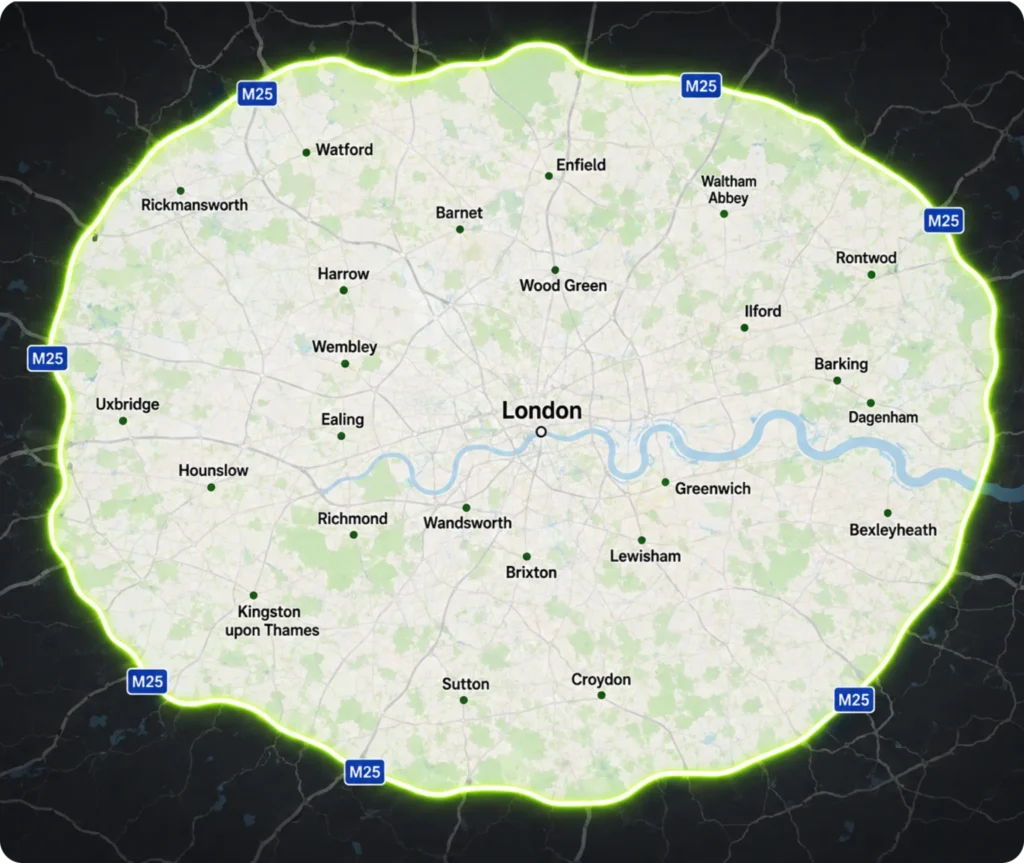
SafeHome London provides professional fire risk assessment services across East London, covering Tower Hamlets, Canary Wharf, Newham, Stratford, Hackney, Shoreditch, Waltham Forest, Leyton, Barking, Dagenham, Redbridge and Ilford. We assess residential and commercial properties, including HMOs, blocks of flats, offices, shops and mixed-use buildings. Our experienced assessors inspect fire doors, escape routes, alarm systems and other key safety measures to identify potential hazards. Whether you are a landlord, managing agent or business owner, we provide clear reports and practical recommendations to help improve fire safety and meet your legal responsibilities.
10+
Years of Experience
20,000+
Properties Certified
40+
Talented Engineers
Areas We Cover
Frequently Asked Questions
Is a Fire Risk Assessment a Legal Requirement in East London?
Yes, a fire risk assessment is legally required for premises covered by the Regulatory Reform (Fire Safety) Order 2005. This includes most workplaces and shared areas of blocks of flats. The responsible person must arrange a suitable assessment, record it and keep it under review.
Who Is Responsible for a Fire Risk Assessment in a Block of Flats?
The responsible person is usually the landlord, freeholder, managing agent or organisation that controls the building’s shared areas. More than one person or organisation may have duties. They must work together where their responsibilities overlap.
Does a Landlord Need a Fire Risk Assessment for a Rental Property?
A landlord may need a fire risk assessment depending on the type of property. Shared areas in blocks of flats and many HMOs fall within relevant fire safety duties. A single private dwelling is generally outside the Fire Safety Order, but other housing and fire safety laws may still apply.
Do Individual Flats Need a Fire Risk Assessment?
The inside of a private flat is generally outside the scope of the Fire Safety Order. However, flat entrance doors, building structure and external walls must be considered where relevant. Some buildings may also need a more detailed assessment that includes areas inside flats.
How Much Does a Fire Risk Assessment Cost in East London?
The price depends on the building’s size, use, layout and assessment requirements. A small communal building may cost less to assess than a large commercial property. SafeHome London can provide a quotation once we know the main details of your premises.
Can I Carry Out a Fire Risk Assessment Myself?
A responsible person can carry out an assessment if they have the knowledge and competence needed for the premises. However, larger or more complex buildings may require specialist expertise. Appointing a competent fire risk assessor can help identify risks that may otherwise be missed.
Do I Need a New Fire Risk Assessment After Building Alterations?
Significant changes to a building can affect its fire safety arrangements. If alterations change the layout, escape routes, occupancy or fire precautions, the existing assessment should be reviewed. The responsible person must decide whether an updated assessment or further inspection is needed.
What Should I Prepare Before the Fire Risk Assessor Arrives?
Provide access to the areas included in the inspection. It is also helpful to have previous fire risk assessments, building plans and fire safety maintenance records available. Tell the assessor about any known defects, recent building work or areas where access may be restricted.
Accreditations