
Residential EPC London for Homes and Landlords
Need a Residential EPC in London? SafeHome London provides professional Energy Performance Certificate assessments for homeowners, landlords, sellers, letting agents and property managers across London. A residential EPC shows how energy efficient a home is. It gives the property an energy rating from A to G, shows estimated energy performance and suggests ways the property may be improved. Our aim is to make the process simple. We arrange the assessment, inspect the property, complete the required energy calculations and arrange for the EPC to be lodged on the official register by an appropriately accredited assessor.
Residential Energy Performance Certificates for Properties Across London
A valid EPC is an important part of selling, renting or managing many residential properties. SafeHome London provides residential EPC assessments across London for homeowners, landlords, sellers, letting agents, estate agents, property managers, housing providers and portfolio landlords. Different clients need an EPC for different reasons. A homeowner may need one before selling a property, while a landlord may need a valid certificate before letting a home. Letting and estate agents may also need to confirm that an EPC is in place before a property is marketed. Our aim is to make the process simple and help you obtain the certificate you need without unnecessary complications.
When Do You Need a Residential EPC?
In England and Wales, an EPC is usually required when a property is built, sold or rented, unless an exemption applies. If there is no valid EPC in place, it should be arranged before the property is marketed.
EPC Requirements When Selling a Residential Property: If you are selling a property, check whether a valid EPC already exists. If not, a new EPC should be commissioned before marketing, and the certificate should be available to prospective buyers where required.
EPC Requirements Before Renting or Letting a Property: Landlords should make sure a valid EPC is in place before advertising a rental property. The EPC information should also be made available to prospective tenants.
EPC Responsibilities for Residential Landlords: Landlords should check whether the property needs an EPC, whether the current certificate is still valid, what energy rating the property has, whether Minimum Energy Efficiency Standards apply, and whether any exemption has been registered. For covered private rented homes, the minimum standard is generally EPC E unless a valid exemption applies.
EPC Requirements for Homeowners and Property Sellers: Homeowners should check the EPC early in the selling process. This can help avoid delays later and confirm whether a new assessment is needed.
When an Existing EPC Can Be Reused: A domestic EPC is usually valid for up to 10 years, unless a newer certificate replaces it. If the existing EPC is still valid, you may not need a new one when the property is sold or re-let.
Residential Properties That May Be Exempt from EPC Requirements: Some properties may be exempt depending on the building type and use. If you believe an exemption applies, check the current requirements before marketing the property without an EPC.
Our Process
Our streamlined process makes it easy to keep your property safe, compliant, and fully certified from start to finish.
Property Details and Booking
Send us the property address, type, size, number of bedrooms and access details. We confirm the correct EPC service and arrange a suitable appointment. Commercial properties or new developments may need some extra information.
EPC Property Assessment
An accredited energy assessor visits the property and records key details such as heating, insulation, windows, lighting, property size and accessible roof or loft areas. Any relevant energy improvements may also be noted.
Rating Calculation and Report
The collected information is entered into approved software to calculate the property’s energy performance. The assessment shows the current EPC rating, potential rating, main property features and recommended improvements.
Registration and Digital Certificate
Once complete, the EPC is lodged on the official Energy Performance of Buildings Register. You then receive your digital certificate, ready to share with landlords, tenants, agents, buyers or solicitors.
Understanding Your Residential EPC Rating
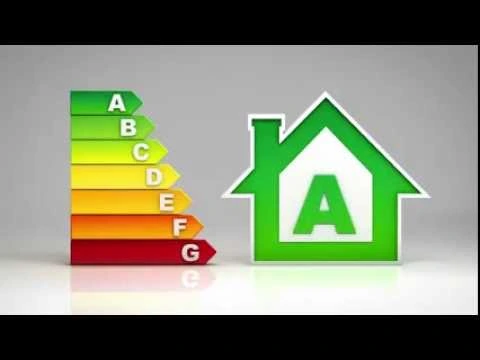
Your residential EPC rating shows how energy efficient your property is. The rating runs from A to G, with A representing the highest level of energy efficiency and G the lowest. Most homes fall somewhere between these two ratings. For homeowners, landlords and property managers searching for a residential energy performance certificate near me, an EPC provides a clear overview of the property’s current energy efficiency and the improvements that could potentially raise its rating. The score is calculated using an approved assessment method that looks at the property itself rather than relying on previous energy bills. This helps different homes to be assessed in a consistent way. Similar properties can still receive different EPC ratings because their energy features may not be the same. Differences in insulation, glazing, boiler efficiency, heating controls, hot water systems and renewable technologies can all affect the final score. Your EPC also shows a current rating and a potential rating. The current rating reflects the property’s energy performance at the time of the assessment, while the potential rating shows what may be possible if suitable recommended improvements are completed. The features that have the greatest impact vary from one property to another. Building construction, insulation, heating systems, heating controls, windows, hot water and renewable technologies can all influence the result. There is no single improvement that will guarantee a specific EPC rating.
Residential EPC Requirements for Landlords
Landlords need to make sure a valid EPC is in place where required before a property is marketed or let. The certificate should be available to prospective tenants so they can see the property’s energy performance before agreeing to the tenancy. Private rented homes covered by Minimum Energy Efficiency Standards generally need an EPC rating of E or above, unless a valid exemption applies. If a property is rated F or G, the landlord may need to carry out suitable improvements or register an exemption before letting it. For landlords with several properties, it is useful to keep track of each property’s EPC rating, certificate date, expiry date and any planned improvements.
How to Check a Residential EPC on the Official Register
Before booking a new assessment, check whether a valid EPC already exists for the property. You can search the official government EPC register using the property address and view details such as the certificate date, current rating, potential rating and validity. The certificate may also include recommendations for improving the property’s energy performance. If no valid EPC can be found, you may need to arrange a new assessment with an accredited energy assessor.
What Can Affect Your Home’s EPC Rating?
An EPC rating is based on several features of the property working together.
Insulation and Heat-Loss Performance: Insulation in the roof, walls and floors can reduce heat loss and improve energy performance.
Boiler Efficiency and Heating Controls: The type and efficiency of the heating system, along with thermostats and heating controls, can affect the EPC score.
Window and Glazing Performance: The type of glazing, such as single or double glazing, can influence how well the property retains heat.
Hot Water Efficiency: The system used to heat and store hot water also forms part of the EPC assessment.
Lighting Efficiency: Energy-efficient fixed lighting can contribute positively to the property’s overall energy performance.
Renewable Energy Systems: Renewable systems such as solar panels may improve the EPC rating when they are properly recorded.
Property Age, Construction and Building Type: The age, construction and design of the property can affect its energy performance and which improvements are practical.
Residential EPCs for Different Types of London Property
London has a wide range of residential buildings, from modern apartments to Victorian terraces, so the EPC assessment should reflect the actual property type and its features.
EPCs for Flats and Apartments: Flats can perform differently depending on where they are located within the building. A top-floor flat, ground-floor flat and mid-floor flat may each have different levels of heat loss and energy efficiency.
EPCs for Terraced and Semi-Detached Houses: These properties can vary in age, insulation, glazing and heating systems. Extensions, loft conversions and later alterations can also affect the assessment.
EPCs for Detached Homes: Detached homes usually have more exposed external walls, which can increase heat loss. The assessment takes the building size, construction, heating and insulation into account.
EPCs for HMOs and Shared Residential Properties: HMO EPC requirements depend on how the accommodation is arranged and let. Where a domestic EPC is required, the assessment should reflect the relevant dwelling or building unit.
EPCs for Buy-to-Let Properties: Landlords should check both the EPC validity and current MEES requirements. A valid certificate does not always mean the property meets every current letting requirement.
EPCs for Residential Property Portfolios: Portfolio assessments can be planned around certificate expiry dates, new tenancies, planned refurbishment, property sales and access availability.
EPCs for Older and Period London Homes: Older properties may include solid walls, traditional roofs, sash windows, older heating systems, conversions and extensions built at different times. These features can all affect the EPC assessment.
Why Choose SafeHome London for Your Residential EPC?
SafeHome London makes the EPC process simple, clear and easy to manage. We work with appropriately accredited residential energy assessors and understand the needs of different London properties, from flats and converted homes to rental portfolios. We provide clear guidance on what information is needed, what access is required and what happens during the assessment. From booking through to certificate issue, the process is kept organised and straightforward. Whether you need an EPC for one property or several, we can help coordinate the assessments around your requirements. SafeHome London can also support landlords with related property compliance services, making it easier to manage several requirements through one provider.
10+
Years of Experience
20,000+
Properties Certified
40+
Talented Engineers

Areas We Cover
Central London
North West London
South West London
South East London
North London
West London
South London
East London
Frequently Asked Questions
Do I Need an EPC to Sell My House or Flat?
In most cases, a residential property being sold in England or Wales requires a valid EPC unless an exemption applies. If there is no valid EPC, one must normally be commissioned before marketing starts.
Do Landlords Need an EPC Before Renting a Property?
In most cases, yes. A landlord should check that a valid EPC is available before marketing a property that is required to have one. The certificate must also be made available to prospective tenants as required by the regulations.
How Long Is a Residential EPC Valid?
A residential EPC is normally valid for 10 years, unless a newer EPC is lodged for the property before then.
How Much Does a Residential EPC Cost in London?
The visit time depends on the property. A small flat may take less time than a large house or complex commercial building. The assessor needs enough time to collect accurate information, so the visit should not be rushed.
How Long Does an EPC Assessment Take?
It depends on the property. A small flat can usually be assessed faster than a large house with several floors, extensions or complex heating systems. The assessor needs enough time to record the information accurately.
What Does an EPC Assessor Check?
The assessor looks at energy-related features such as construction, insulation, windows, heating, hot water, heating controls, fixed lighting and qualifying renewable systems.
What EPC Rating Does a Rental Property Need?
For domestic private rented properties covered by the current MEES regulations in England and Wales, the minimum is generally E, unless a valid exemption applies.
Can I Rent Out a Property with a Low EPC Rating?
If a covered property has an EPC rating of F or G, you will normally need to improve it to at least E or register a valid exemption where the regulations allow.
Can I Check My Existing EPC Online?
Yes. The government EPC service allows you to search for and view existing certificates for individual properties.
Do I Need a New EPC After Renovating My Property?
Not automatically. However, if you have made major energy improvements, you may choose to obtain a new EPC so the certificate reflects the property’s current condition.
Accreditations