
Commercial EPC London for Landlords and Businesses
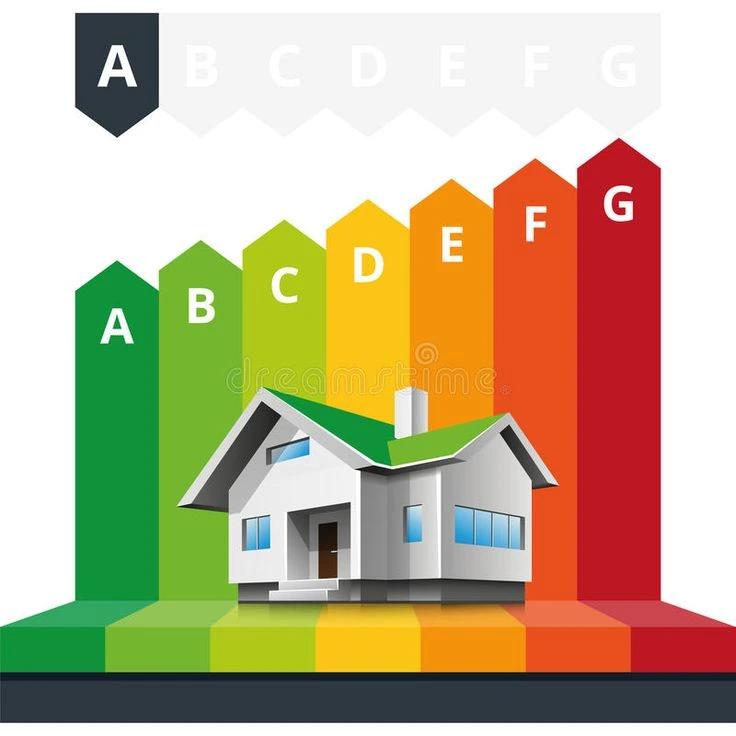
Need a Commercial Energy Performance Certificate for a property in London? SafeHome London helps landlords, business owners, property managers and agents arrange clear, professional commercial EPC assessments without unnecessary hassle. A Commercial EPC shows how energy efficient a non-domestic building is. It gives the property a rating from A to G, with A being the most energy efficient. The certificate also gives useful recommendations that may help improve the building’s energy performance. Commercial EPC assessments must be completed by an appropriately accredited Non-Domestic Energy Assessor. Once complete, the certificate is lodged on the official Energy Performance of Buildings Register. Whether you have an office, shop, restaurant, warehouse, mixed-use property or a larger commercial building, we can help you understand what type of assessment you need and arrange the right service.
What Is a Commercial Energy Performance Certificate?
A Commercial Energy Performance Certificate (EPC) shows how energy efficient a non-domestic property is. It gives the building an energy rating from A to G, with A being the most efficient and G the least efficient. The assessment considers factors such as heating, cooling, ventilation, lighting, insulation, glazing and other fixed building services. The certificate also includes key property details and recommendations that may help improve energy performance. A Commercial EPC is usually valid for up to 10 years and is commonly required for properties such as offices, shops, restaurants, warehouses, industrial units and other commercial premises.
Commercial EPCs for Different Types of London Properties
Commercial properties vary greatly. A small shop does not have the same systems or assessment needs as a large office building. The correct assessment depends on the building itself.
Property Type | Areas Commonly Reviewed |
Offices | HVAC, lighting, glazing, controls and zoning |
Shops | Heating, cooling, display areas and lighting |
Restaurants | Heating, ventilation, hot water and building services |
Warehouses | Heating, lighting, floor area and building fabric |
Industrial units | Building use, fixed services and energy demand |
Mixed-use buildings | Commercial areas, building services and occupation zones |
Large commercial buildings | Complex HVAC, controls, zones and building geometry |
Our Process
Our streamlined process makes it easy to keep your property safe, compliant, and fully certified from start to finish.
Share Your Property Details
Send us the property address and key information such as the property type, floor area, number of floors, current use, heating or cooling systems, occupancy details and any existing EPC.
Receive Your Quote
We review the building details and provide a quotation based on the size and complexity of the property. Once confirmed, we arrange a suitable date and access time for the site visit.
Complete the Site Survey
The assessor visits the property, records measurements, photographs and details of the building fabric and fixed services. This information is then entered into approved commercial energy assessment software to calculate the EPC rating.
Receive Your EPC
Once the assessment is complete, the Commercial EPC is produced and lodged on the official EPC Register. You will receive the digital certificate along with recommendations that may help improve the property’s energy performance.
What Does a Commercial EPC Assessor Inspect?
During a Commercial EPC assessment, the assessor reviews the main features that affect the building’s energy performance. This includes the walls, roof, floors, windows, glazing and external doors, as these can influence heat loss and insulation levels. The assessor also checks the property’s heating, cooling, ventilation, air-conditioning and hot-water systems, along with their controls and the areas they serve. Lighting systems, energy controls and features such as occupancy sensors may also be recorded. The building’s size, layout and different usage zones are assessed to create an accurate energy model. Where renewable or low-carbon systems, such as solar panels, are installed, these are also included. The inspection is normally non-destructive and may involve measurements, photographs and available building documents.
How Can You Improve a Poor Commercial EPC Rating?
A poor Commercial EPC rating can often be improved by upgrading lighting, heating, cooling, ventilation, insulation, glazing and building controls. Measures such as efficient light fittings, occupancy sensors, better HVAC controls, improved insulation and suitable low-carbon systems may help. The right improvements will depend on the age, condition, layout and existing systems within the property. In some buildings, small upgrades may help, while others may need wider improvements to the building fabric or fixed services.
Why Improving Commercial Energy Performance Matters
Improving energy performance can help landlords meet compliance duties, reduce unnecessary energy use and prepare a property for future letting or sale. A valid Energy Performance Certificate London can also make the building more attractive to tenants and buyers, highlight practical upgrade opportunities and reduce the risk of delays caused by an expired EPC or poor rating.
Why Choose SafeHome London for Your Commercial EPC?
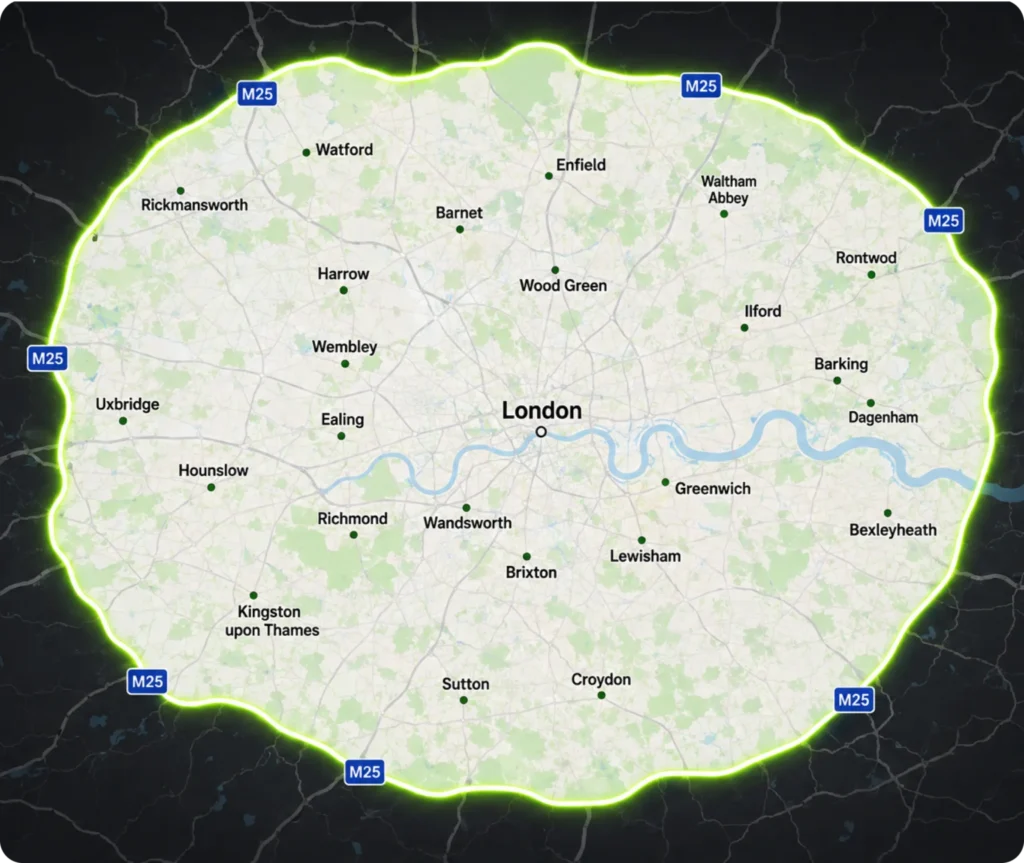
SafeHome London provides a clear and professional Commercial EPC service for landlords, business owners, managing agents and property managers across London. We work with appropriately accredited commercial energy assessors and make sure the level of assessment is suitable for the size and complexity of the building. For anyone searching for a commercial EPC near me, our London-wide service covers a wide range of commercial properties, including shops, offices, restaurants, warehouses, mixed-use buildings and larger commercial premises. Before providing a quotation, we consider the property type, size, layout and building systems so the scope reflects the actual assessment required. Once the assessment is complete, the EPC is lodged through the official energy performance system, allowing the certificate to be viewed and checked when needed. We can also help explain the rating, recommendations and possible next steps if improvements are suggested. We provide London-wide coverage and can assist with both individual commercial properties and larger portfolios. Where needed, we can also coordinate other property compliance services, including electrical, gas and fire safety checks, through one point of contact.
10+
Years of Experience
20,000+
Properties Certified
40+
Talented Engineers
Areas We Cover
Central London
North West London
South West London
South East London
North London
West London
South London
East London
Frequently Asked Questions
Is a commercial EPC a legal requirement?
It is required in many cases. A qualifying commercial building normally needs an EPC when it is sold or rented out, when construction is completed, or after certain changes involving separate occupation and fixed building services. Exemptions apply to some buildings.
How long is a commercial EPC valid?
A Commercial EPC is generally valid for up to 10 years. If a newer EPC is produced for the same building, the newer certificate becomes the relevant one.
Does a Landlord Need an EPC Before Renting Out a Property?
For privately rented non-domestic properties covered by MEES in England and Wales, the current minimum is E, unless a valid exemption applies.
Can I let a commercial property with an F or G EPC rating?
If the property falls within the non-domestic MEES rules, you will normally need to make relevant improvements or have a valid registered exemption before relying on an F or G rating. Some properties and tenancy arrangements fall outside the rules, so each case should be checked properly.
Who is qualified to carry out a commercial EPC?
A Commercial EPC must be produced by an appropriately accredited energy assessor. For non-domestic buildings, this means a Non-Domestic Energy Assessor with the correct competency level for the property.
What is the difference between a domestic and commercial EPC?
A domestic EPC is used for residential homes. A Commercial EPC assesses non-domestic buildings and can involve more detailed modelling of lighting, ventilation, heating, cooling and building controls.
How long does a commercial EPC assessment take?
It depends on the size and complexity of the building. A simple retail unit may require far less work than a large office building with several HVAC systems and energy zones.
Does every shop or office need an EPC?
No, Many shops and offices require EPCs when being sold or let, but exemptions exist for certain buildings and circumstances. The property should be checked against the actual rules rather than assuming that every commercial unit is treated the same.
Do warehouses and industrial units require commercial EPCs?
Many do, However, certain industrial sites, workshops and non-residential agricultural buildings with low energy demand may be exempt.
Where can I check an existing commercial EPC?
Existing certificates can be checked through the official Energy Performance of Buildings Register for England and Wales. This can help you confirm whether a property already has a certificate and when it was lodged.
Can one assessor handle several commercial properties?
Yes, provided the assessor has the right accreditation level for each building. For a portfolio, it is useful to provide all property addresses and basic details first so the correct resources can be planned.
Can you help if my property receives a poor EPC rating?
Yes, A poor rating should first be understood before improvement work is chosen. The EPC recommendations, building systems and your future plans can be reviewed so you can decide on sensible next steps. For landlords, any MEES duties should also be considered before the property is let.
Accreditations