Fire Risk Assessment North London
Keeping a property safe from fire starts with knowing where the risks are. A fire risk assessment North London helps landlords, business owners and property managers identify fire hazards, protect occupants and meet their legal duties. SafeHome London provides professional fire risk assessment services for residential and commercial properties across North London. Whether you manage a block of flats, an HMO, an office or a retail premises, a detailed assessment helps you understand the safety measures your building needs. Our service focuses on identifying fire hazards, checking existing precautions and providing clear recommendations. The aim is to help you make informed decisions and take practical steps to improve fire safety.
Professional Fire Risk Assessment Services Across North London
Every property has different fire risks. The building’s size, layout, use and number of occupants can all affect the level of protection needed. SafeHome London offers fire safety assessments designed around the type of property being inspected. Our approach helps owners and managers understand their responsibilities and find problems before they become more serious.
Fire Safety Assessments for Landlords, Businesses and Property Managers
A fire risk assessment North London helps those responsible for a property understand whether the fire safety arrangements are suitable. Landlords may need an assessment for the shared areas of residential buildings. Business owners must consider the safety of staff, customers and visitors. Managing agents must also understand the risks within buildings under their control. SafeHome London supports these needs with property-specific inspections and written findings.
Identifying Fire Hazards and Reducing Risks to Occupants
Fire hazards are not always easy to spot. A damaged fire door, blocked escape route or poorly maintained alarm may increase the danger during an emergency. During an assessment, the assessor looks at possible causes of fire, the people who could be affected and the measures already in place. Where improvements are needed, the report explains the concerns and identifies suitable actions to reduce the risk.
Clear Assessment Reports and Prioritised Fire Safety Recommendations
A useful fire risk assessment should do more than list problems. It should explain what was found, why the issue matters and what action is needed. Clear recommendations help landlords and property managers plan repairs, arrange maintenance and keep proper fire safety records. The report provides a practical basis for managing fire safety over time.
Our Process
Our streamlined process makes it easy to keep your property safe, compliant, and fully certified from start to finish.
Property Details and Booking
Send us details about the property, including its use, size, number of floors and any known concerns. Once the scope is confirmed, we arrange a suitable appointment.
Fire Safety Inspection
Our assessor inspects the relevant areas, checking fire hazards, escape routes, existing fire precautions and management arrangements.
Risk Review and Report
We review the findings to identify risks, assess existing controls and confirm any further action required. You then receive a clear report with prioritised recommendations.
Support With Improvements
If further work is needed, we explain the recommendations and can support you with suitable inspections, maintenance or fire safety remedial works.
Who Needs a Fire Risk Assessment in North London?
Under the Regulatory Reform (Fire Safety) Order 2005, a suitable and sufficient fire risk assessment is required for premises within the scope of the legislation. The legal duty falls on the responsible person. This may be an employer, owner, landlord, occupier or someone who controls the premises.
Landlords and Owners of Residential Rental Properties
Landlords who own or manage buildings containing shared residential areas may have duties under fire safety law. For example, a converted building with several flats may require an assessment of the common staircase, corridors, shared facilities and relevant building elements. A single private dwelling generally falls outside the Fire Safety Order, although other housing and fire safety requirements can still apply.
Freeholders, Managing Agents and Residents’ Management Companies
The person or organisation responsible for the shared parts of a residential building must understand the fire risks within those areas. This may include freeholders, residents’ management companies or managing agents with control over maintenance and safety arrangements. Where duties are shared, the responsible parties must cooperate and make sure important fire safety measures are managed.
HMO Landlords and Operators of Shared Accommodation
Houses in multiple occupation can present additional risks because residents share facilities and may live in separate households. Fire protection may involve suitable alarms, protected escape routes, fire-resisting doors and safe kitchen arrangements. The exact requirements depend on the type of HMO, its layout, licensing conditions and the relevant fire and housing legislation.
Employers, Business Owners and Commercial Tenants
Employers and those who control commercial premises must consider fire safety in their workplaces. According to the UK Government’s fire safety responsibilities guidance, responsible persons must assess fire risks, maintain appropriate safety measures and plan for emergencies. An assessment helps identify the risks created by daily activities, equipment, stored materials and building occupancy. Business owners should also make sure staff understand the emergency procedures and that fire protection systems are maintained.
Responsible Persons Managing Shared or Common Areas
In residential blocks, shared areas often play an important role in the building’s fire safety strategy. These may include staircases, corridors, entrance halls, plant rooms and shared storage spaces. The responsible person must consider the risks affecting these areas, along with relevant building structures, external walls and flat entrance doors.
Residential Fire Risk Assessments in North London
Residential buildings need fire precautions that reflect their layout, construction and occupancy. SafeHome London provides residential fire risk assessment services to help landlords, freeholders and managing agents understand the risks affecting their properties.
Fire Risk Assessments for Blocks of Flats and Communal Areas: A communal fire risk assessment London examines the shared parts of a residential building and relevant features that protect occupants. The inspection may include common staircases, corridors, service cupboards, communal doors and escape routes. The assessor also considers whether fire and smoke could spread between different parts of the building. Flat entrance doors are an important part of this review.
Fire Safety Assessments for Converted Houses and Maisonettes: Older houses converted into separate flats can have complex fire safety arrangements. Issues may include shared staircases, inadequate separation between dwellings, unsuitable doors or changes made during past building work. An assessment considers these risks in relation to the building’s layout and current use.
HMO Fire Risk Assessments and Shared Accommodation:HMOs often need particular care because several unrelated occupants may share kitchens, corridors and escape routes. An assessment may review cooking hazards, alarm coverage, bedroom doors, electrical safety and the condition of shared areas. The recommended precautions must be suitable for the type of HMO. A small shared house may need different measures from a larger licensed property.
Fire Safety Considerations for Short-Term Lets and Serviced Accommodation: Short-term guests may not know the building or its escape routes. This makes clear fire safety information, suitable alarms and safe exit arrangements especially important. Paying guest accommodation, including many holiday lets and serviced properties, falls within the Fire Safety Order. The assessment should consider the building layout, guest numbers and risks linked to unfamiliar occupants.
Flat Entrance Fire Doors, Escape Routes and Compartmentation: Flat entrance doors help protect shared escape routes by limiting the movement of fire and smoke. The assessor may review the visible condition of fire doors, door closers, smoke seals, hinges and surrounding frames. Compartmentation is also important. This means the walls, floors and other barriers designed to resist the spread of fire. A standard visual assessment may identify concerns that need a more detailed fire door inspection or intrusive investigation.
Commercial Fire Risk Assessment Services in North London
Commercial premises require fire safety arrangements that reflect the work carried out inside them. SafeHome London supports businesses and commercial property managers with assessments that focus on fire prevention, occupant safety and legal responsibilities.
Fire Risk Assessments for Offices and Workplaces: Office fire risks may involve electrical equipment, shared kitchens, storage rooms and busy escape routes. An assessment considers how many people use the premises, how they will receive a warning and whether emergency arrangements are suitable. Staff training, fire drills and maintenance records may also be reviewed.
Fire Safety Inspections for Shops, Restaurants and Retail Premises: Retail and hospitality premises can have changing customer numbers and different sources of fire risk. Restaurants may contain cooking equipment, extraction systems and combustible materials. Shops may have stockrooms, displays and public areas that need safe access and exits. The assessment considers these features and the protection needed for staff and visitors.
Fire Risk Assessments for Warehouses and Industrial Buildings: Warehouses and industrial premises may store large amounts of goods or use equipment that creates heat. Fire hazards can include machinery, charging equipment, packaging, flammable materials and storage practices. A suitable assessment reviews these activities, existing precautions and the arrangements for raising the alarm and leaving the building safely.
Assessments for Mixed-Use Buildings and Commercial Units: Mixed-use buildings may contain shops, offices and residential accommodation within the same structure. Fire risks in one part of the building can affect people elsewhere. An assessment should consider the relevant escape routes, fire separation and responsibilities between different occupiers or building managers.|
Staff Safety, Public Access and Workplace Evacuation Arrangements: A workplace emergency plan must consider everyone who may be present. This includes employees, visitors, contractors and people who need extra support. An assessment reviews whether warning systems, exit routes and management procedures provide suitable arrangements for the building.
Fire Risk Assessment Legal Requirements in North London
Fire safety legislation places important duties on those responsible for buildings and workplaces. These requirements help ensure that fire hazards are identified, suitable precautions are taken and fire safety arrangements remain effective.
The Regulatory Reform (Fire Safety) Order 2005
The Regulatory Reform (Fire Safety) Order 2005 is the main fire safety law for most non-domestic premises in England and Wales. It requires the responsible person to carry out a suitable and sufficient fire risk assessment and take appropriate fire precautions. In England, the Order also covers relevant shared areas and building elements in multi-occupied residential buildings.
Responsible Person Duties and Fire Safety Compliance
The responsible person must make sure the premises are protected by suitable fire safety measures. Key duties include identifying fire hazards, assessing the risks to people, maintaining fire protection systems and planning for emergencies. They must also record the assessment, keep fire safety arrangements up to date and cooperate with other responsible persons where required.
The Fire Safety Act 2021 and Residential Buildings
The Fire Safety Act 2021 clarified the scope of the Fire Safety Order for multi-occupied residential buildings. It confirms that the building structure, external walls and flat entrance doors between homes and common areas fall within the scope of the Order. Responsible persons must consider these elements when assessing fire safety risks.
The Fire Safety (England) Regulations 2022
The Fire Safety (England) Regulations 2022 introduced additional duties for certain residential buildings. Relevant requirements include giving residents fire safety instructions and information about fire doors. For buildings over 11 metres in height, there are duties relating to regular fire door checks. Higher-rise buildings have further requirements involving building information, firefighting equipment and other safety measures.
Building Safety Act 2022 and Higher-Risk Residential Buildings
The Building Safety Act 2022 introduced wider building safety reforms. Changes that took effect in October 2023 also strengthened duties under the Fire Safety Order, including the requirement to record fire risk assessments in full. Certain higher-risk residential buildings have extra duties under the building safety regime. These should be considered alongside the Fire Safety Order.
Recording Findings, Reviewing Risks and Maintaining Fire Safety Measures
Responsible persons must keep a full written record of their fire risk assessment. The record should explain the findings and support the decisions made about fire precautions. The assessment must be reviewed when needed, and fire safety measures must be maintained. Keeping inspection, testing and remedial records can help show how risks are being managed.
Enforcement Action and the Consequences of Non-Compliance
Fire and rescue authorities can inspect premises and take enforcement action where fire safety duties have not been met. Depending on the circumstances, this may include formal notices requiring improvements or restrictions on using unsafe premises. Serious breaches can lead to prosecution. A suitable assessment, followed by prompt action, helps responsible persons manage these risks.
How Much Does a Fire Risk Assessment Cost in North London?
The fire risk assessment cost in North London depends on the building’s size, use, layout and level of complexity. A small communal property may require a shorter inspection than a large office, HMO or mixed-use building. SafeHome London provides quotations based on the information available about the premises and the work required.
Fire Risk Assessment Prices for Residential Properties
Residential assessment costs can vary between different building types. A small block with one shared staircase may be more straightforward to assess than a converted property with several levels and complex escape arrangements. The quotation should reflect the areas to be inspected and the level of reporting required.
Commercial Fire Risk Assessment Costs
Commercial pricing depends on factors such as floor area, business activities and the number of people using the premises. A simple office may have fewer hazards than a restaurant or industrial site. Businesses should provide clear details about their premises so the correct scope can be priced.
Pricing for HMOs, Converted Buildings and Blocks of Flats
HMOs and converted residential buildings may need more detailed consideration of shared facilities, fire separation, alarms and escape routes. The number of rooms and floors can affect the inspection time. Building layout and occupancy also influence the complexity of the assessment.
Factors Affecting the Cost of a Fire Risk Assessment
Pricing factor | Why it matters |
Property size | Larger buildings usually take longer to assess. |
Number of floors | Multiple levels may involve more escape routes and fire safety features. |
Property use | Residential, commercial and mixed-use buildings have different risks. |
Building complexity | Unusual layouts or shared systems may require more detailed review. |
Occupancy | The number and needs of occupants affect the assessment. |
Existing records | Available plans and safety documents can help establish the assessment scope. |
Additional inspections | Specialist surveys may be needed for concerns outside a standard assessment. |
What Is Included in Your Fire Risk Assessment Quotation?
A quotation should clearly explain the scope of the assessment and reporting service. Before booking, confirm the property details, relevant access arrangements and whether any specialist inspections are required.
Fire Risk Assessment Standards and Professional Guidance
Fire safety assessments should use a suitable method and consider the guidance relevant to the building. British Standards and recognised guidance can help assessors identify good practice, but each document has its own scope.
PAS 79-1 and Structured Fire Risk Assessment Methodology
PAS 79-1:2020 provides a structured approach to fire risk assessments for premises other than housing. It covers matters such as the assessment method, recording findings and making recommendations. Residential buildings and HMOs may need a different assessment approach because PAS 79-1 does not cover every type of housing premises.
BS 5839 Fire Detection and Alarm System Guidance
The BS 5839 series provides guidance for fire detection and alarm systems. BS 5839-1:2025 covers systems in non-domestic premises, while BS 5839-6:2019+A1:2020 relates to fire detection and fire alarm systems in domestic premises. The suitable system depends on the property’s use, layout and risk assessment.
BS 5266 Emergency Lighting and Escape Route Safety
BS 5266-1:2025 provides guidance on emergency lighting. Emergency lighting can support safe movement when normal lighting fails and can help occupants identify escape routes. The need for lighting, its design and maintenance should reflect the building’s use and relevant fire safety requirements.
Fire Door Performance, Inspection and Maintenance Standards
Fire doors must be suitable for their intended use and maintained in good condition. The UK Government’s fire door guidance explains important responsibilities relating to fire door checks and maintenance in residential buildings. Relevant fire door guidance can help determine appropriate performance, installation and maintenance. An assessment considers visible safety concerns, while detailed fire door inspections may be needed to confirm the condition of specific doorsets.
Applying Proportionate Fire Safety Measures to Different Buildings
Not every building needs the same fire protection system. A small communal hallway, a busy restaurant and a multi-storey HMO can have very different risks. Good assessment practice means considering the building and recommending measures that are suitable for its actual conditions rather than applying the same solution everywhere.
Why Choose SafeHome London for Your Fire Risk Assessment?
SafeHome London helps landlords, managing agents and businesses understand fire safety risks and take the right steps to manage them. Our focus is on clear communication, property-specific assessments and practical support. We understand that every building has different fire safety requirements, which is why we aim to provide services suited to each property’s layout, occupancy and level of risk. A fire risk assessment should be carried out by someone with suitable knowledge, training and experience. SafeHome London can help clients understand the assessment requirements and relevant assessor competence for their property, particularly for complex or higher-risk buildings that may need specialist expertise. Our approach focuses on identifying actual fire hazards rather than relying on generic checklists. We believe fire safety reports should be clear, practical and easy to understand. Our assessments aim to highlight potential hazards, explain the findings and identify suitable improvements. This helps landlords, property managers and business owners understand their fire safety responsibilities and plan the necessary actions. SafeHome London also supports clients with fire safety remedial works where improvements are required. Our services include fire door remedials, fire alarm work and other relevant fire safety measures. Where specialist inspections or additional works are needed, these can be discussed and arranged separately.
Booking a fire risk assessment in London with SafeHome London is straightforward. Simply provide your property address, building type, number of floors and access details. Our team can then discuss your requirements, explain the assessment scope and provide a clear quotation before arranging a convenient inspection.
Fire Risk Assessment Services Across North London
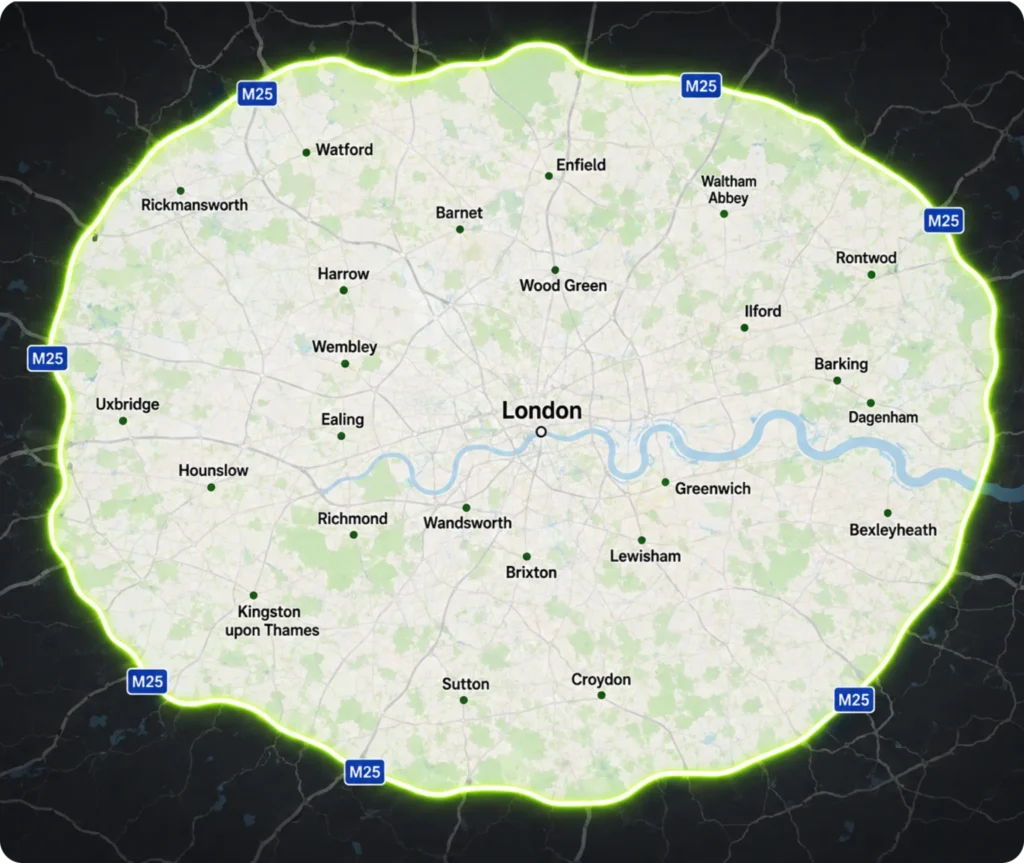
SafeHome London provides professional fire risk assessment services across North London, covering Islington, Camden, Barnet, Enfield, Haringey, Finchley, Highgate and Muswell Hill. We support landlords, property managers, managing agents and businesses with fire safety assessments for residential and commercial properties, including converted houses, HMOs, blocks of flats, shared accommodation, offices, shops and mixed-use buildings. Each assessment considers the property’s layout, occupancy, escape routes and existing fire safety measures to identify potential hazards and recommend suitable improvements. If you’re searching for an FRA Certificate near me, SafeHome London can help you arrange a suitable assessment and obtain a detailed fire risk assessment report for your property. Whether you manage a single rental property, a commercial building or multiple properties across North London, our team can help you understand your fire safety responsibilities and plan the necessary actions. Contact our team to discuss your requirements, confirm availability in your postcode and arrange a suitable fire risk assessment.
10+
Years of Experience
20,000+
Properties Certified
40+
Talented Engineers
Areas We Cover
Frequently Asked Questions
Which Areas of North London Does SafeHome London Cover?
SafeHome London provides fire risk assessment services across North London, including Islington, Camden, Barnet, Enfield, Haringey, Finchley, Highgate and Muswell Hill. We support landlords, property managers and businesses with residential and commercial fire safety assessments.
Do You Provide Fire Risk Assessments in Islington and Camden?
Yes, SafeHome London offers fire risk assessments in Islington and Camden for blocks of flats, converted houses, HMOs, offices, shops and mixed-use buildings. Our assessments help identify fire hazards, review existing safety measures and recommend practical improvements.
Can I Book a Fire Risk Assessment in Barnet or Enfield?
Yes, landlords, managing agents and businesses can arrange fire risk assessments in Barnet and Enfield. We assess different property types, including residential blocks, shared accommodation and commercial premises. Contact our team with your property details for a quotation.
Do You Offer Fire Risk Assessment Services in Haringey?
SafeHome London provides fire safety assessment services throughout Haringey, including residential and commercial properties. Our assessments consider the building’s layout, occupancy, escape routes and fire safety arrangements to help responsible persons understand their compliance requirements.
Are Fire Risk Assessments Available in Finchley, Highgate and Muswell Hill?
Yes, our fire risk assessment services in North London cover Finchley, Highgate and Muswell Hill. We assist property owners and managers with fire safety assessments for converted flats, HMOs, communal areas, offices and other relevant premises.
Do You Cover All North London Postcodes?
SafeHome London serves a wide range of North London locations. If your property is outside our main service areas, contact our team with your postcode to confirm availability and discuss your assessment requirements.
Can You Arrange Fire Risk Assessments for Multiple Properties Across North London?
Yes, SafeHome London can assist landlords, estate agents and property management companies managing multiple properties across North London. Each building receives an assessment based on its individual layout, occupancy and fire safety risks.
How Much Does a Fire Risk Assessment Cost in North London?
The cost of a fire risk assessment in North London depends on the property’s size, number of floors, use and complexity. Smaller residential buildings may cost less to assess than larger commercial premises or complex HMOs. Contact SafeHome London for a quotation based on your property requirements.
How Quickly Can I Book a Fire Risk Assessment in North London?
Appointment availability depends on your location, property type and the required assessment scope. SafeHome London offers flexible booking options where available. Share your property address and preferred inspection date, and our team can confirm the next suitable appointment.
How Do I Find Fire Risk Assessment Services Near Me in North London?
If you’re searching for fire risk assessment services near me, SafeHome London supports landlords, businesses and managing agents across North London. Simply provide your postcode, property type and number of floors to receive information about service availability, assessment requirements and pricing.
Accreditations