Fire Safety FAQs – Fire Safety Certificates & Compliance in London
Understanding fire safety regulations is essential for landlords, homeowners, businesses and property managers. Whether you need a fire safety certificate London service, want to understand inspection costs or have questions about legal requirements, having accurate information can help you maintain a safer and compliant property.
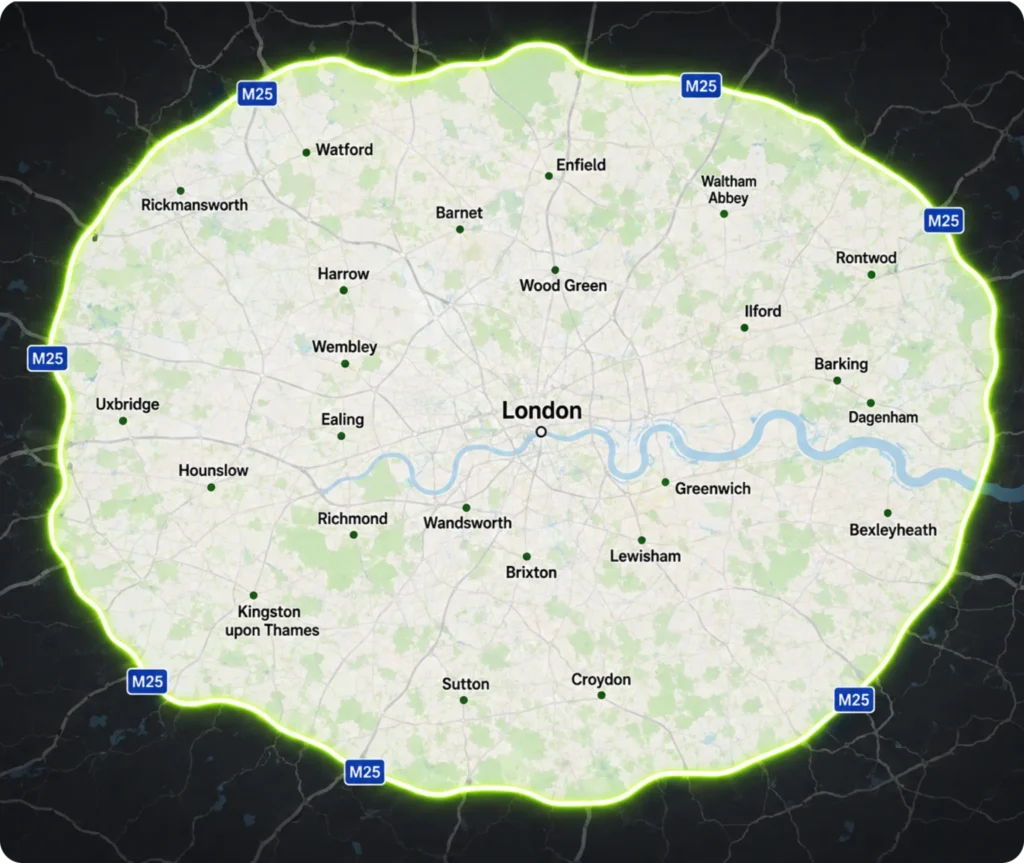
SafeHome London provides professional fire risk assessments, fire safety inspections, fire door inspections and fire safety compliance services across London.
Our FAQs cover fire safety certificates, inspection procedures, validity periods, legal responsibilities and essential fire safety requirements for residential and commercial properties.
Fire Safety Certificate UK
What Is a Fire Safety Certificate in the UK?
A fire safety certificate is a term commonly used for documents relating to a property’s fire safety arrangements. However, England does not have a universal fire safety certificate for existing buildings. Instead, responsible persons must comply with the Regulatory Reform (Fire Safety) Order 2005 where it applies. A fire risk assessment London report documents potential hazards, existing precautions and actions needed to improve fire safety.
Do I Need a Fire Safety Certificate in the UK?
You do not usually need a general fire safety certificate in England. However, many buildings legally require a suitable and sufficient fire risk assessment. This includes commercial premises, workplaces, communal areas of residential buildings and certain types of shared accommodation. The requirements depend on how the property is occupied and used.
Is a Fire Safety Certificate a Legal Requirement?
A general fire safety certificate is not normally a legal requirement in England. However, the Regulatory Reform (Fire Safety) Order 2005 requires responsible persons to identify fire risks and implement suitable safety precautions in premises covered by the legislation. These responsibilities include maintaining escape routes, fire detection systems and appropriate fire safety equipment. For more information, see the UK Government Fire Safety Guidance.
What Buildings Require a Fire Safety Certificate?
Although most existing buildings do not require a general fire safety certificate, many require a fire risk assessment. These include offices, shops, restaurants, warehouses, hotels, HMOs and communal areas of blocks of flats. Individual private homes are generally outside the Fire Safety Order, although other housing and fire safety regulations may apply.
When Is a Fire Safety Certificate Required?
The need for fire safety documentation depends on the building type, occupancy and applicable regulations. For most existing premises in England, the relevant requirement is a suitable fire risk assessment rather than a general fire safety certificate. Specific inspection or commissioning certificates may also be needed for fire alarms, emergency lighting and other fire protection systems.
How Often Is Fire Extinguisher Servicing Required in London?
Fire extinguisher servicing London is generally carried out annually by a competent technician, following BS 5306-3 guidance. Regular maintenance helps identify damaged equipment, pressure problems and other defects. Businesses should also conduct routine visual checks to ensure extinguishers remain accessible and ready for emergencies.
What Replaced Fire Safety Certificates in 2005?
The Regulatory Reform (Fire Safety) Order 2005 replaced the previous fire certification system in England and Wales when it came into force on 1 October 2006. Under the current framework, responsible persons must assess fire risks, maintain appropriate precautions and regularly review fire safety arrangements instead of relying on the former fire certificate system.
How to Get a Fire Safety Certificate
How Do You Get a Fire Safety Certificate in the UK?
If you need fire safety documentation, start by identifying the type of assessment or inspection your property requires. For most applicable premises in England, a suitable fire risk assessment is the relevant starting point. A competent assessor can inspect the property, identify hazards, review existing safety measures and prepare a report outlining any necessary improvements.
How Can I Apply for a Fire Safety Certificate Online?
There is no universal UK government online application system for obtaining a general fire safety certificate for existing premises in England. However, you can request a professional fire risk assessment or specific fire safety inspection through a service provider. You will typically need to provide the property address, building type, number of floors and relevant access details.
Where Can I Get a Fire Safety Certificate in London?
If you are searching for a fire safety certificate London service, first confirm whether you require a fire risk assessment report, fire alarm certificate, emergency lighting certificate or another inspection document.
SafeHome London provides fire risk assessments and fire safety inspection services across London, helping landlords, businesses and property managers understand their fire safety responsibilities.
Who Can Issue a Fire Safety Certificate?
There is no single authority issuing universal fire safety certificates for existing premises in England. A competent fire risk assessor can prepare a fire risk assessment report, while appropriately qualified professionals can issue inspection or testing documentation for specific fire safety systems.
It is important to choose someone with suitable training, experience and knowledge of the relevant fire safety requirements.
Is Fire Alarm Installation a Legal Requirement in London?
Fire alarm installation London may be legally required depending on the property’s type, occupancy and fire risk assessment findings. Commercial buildings and certain residential properties must have suitable fire detection and warning systems. SafeHome London provides professional fire alarm installation services to help landlords and businesses meet applicable UK fire safety requirements.
Can I Get a Fire Safety Inspection Certificate Without a Site Visit?
Some preliminary fire safety reviews can be completed using building plans, photographs and existing records. However, an on-site inspection is normally important for evaluating the actual condition of escape routes, fire doors and fire protection measures. A desktop assessment should not automatically be treated as equivalent to a comprehensive on-site fire risk assessment. The appropriate approach depends on the property and the assessment scope.
Fire Safety Certificate Cost & Validity
How Much Does a Fire Safety Certificate Cost in London?
The cost of a fire safety certificate in London depends on the type of inspection or report required. For a professional fire risk assessment, pricing generally depends on the property’s size, layout, number of floors, occupancy and complexity.
Residential properties may require a different assessment scope from commercial buildings, offices, restaurants or HMOs. SafeHome London provides quotations based on individual property requirements, helping customers choose an appropriate fire safety assessment.
How Much Is a Fire Safety Inspection Certificate?
A fire safety inspection certificate does not have one fixed price because the term can describe different inspection documents. Fire alarm testing, emergency lighting inspections, fire door inspections and fire risk assessments involve different procedures. Before booking, confirm which service is needed and whether the quotation includes an inspection report, test certificate or other documentation.
How Long Does a Fire Safety Certificate Last?
There is no universal validity period for a general fire safety certificate in England. If the document refers to a fire risk assessment, it must be reviewed regularly and whenever significant changes occur. A review may be necessary following building alterations, changes in occupancy, a fire incident or when existing safety arrangements are no longer suitable. The appropriate review frequency depends on the building and its risks.
How Long Is a Fire Safety Certificate Valid for in the UK?
The validity of fire safety documentation depends on the specific document. A fire risk assessment does not have a fixed statutory expiry date, but it must remain suitable and up to date. Other documents, such as fire alarm and emergency lighting inspection records, relate to particular tests and maintenance requirements. Property managers should follow the applicable standards, inspection schedules and findings of their fire risk assessment.
How Can I Check a Fire Safety Certificate Online?
There is no central UK government database for verifying every fire safety certificate or fire risk assessment report.
To check a document, review the property address, inspection date, assessor details, report findings and issuing organisation. You can also contact the original inspection provider or verify relevant professional credentials through the appropriate certification body.
If the documentation appears incomplete or outdated, request clarification before relying on it.
Fire Safety Requirements for Landlords & Businesses
Does a Landlord Need a Fire Safety Certificate?
Landlords in England do not generally need a universal fire safety certificate, but they must comply with applicable fire safety laws.
For blocks of flats, the Fire Safety Order normally applies to communal areas and certain building elements. HMOs and other rented properties may have additional fire safety obligations. A suitable fire risk assessment helps identify hazards, evaluate existing precautions and determine whether improvements are needed.
Do Businesses Have to Display a Fire Safety Certificate?
Businesses in England are not generally required to display a universal fire safety certificate. However, they must maintain suitable fire safety arrangements and comply with the Fire Safety Order where it applies.
This may include providing appropriate fire exit signage, emergency instructions, staff training and fire safety equipment. The responsible person must also ensure that the required fire risk assessment is recorded and kept under review.
What Are Fire Safety Remedial Works?
Fire safety remedial London works involve correcting defects identified during fire risk assessments or safety inspections. Common examples include repairing fire doors, replacing damaged smoke seals, upgrading fire alarm systems and improving emergency lighting. SafeHome London provides professional fire safety remedial services across London to help property owners address identified hazards and improve building safety.
Do Landlords Need to Provide a Fire Door Safety Certificate?
A separate fire door safety certificate is not automatically required for every fire door in a rented property. However, fire doors must be suitable for their location and properly maintained.
Under the Fire Safety (England) Regulations 2022, responsible persons for relevant multi-occupied residential buildings above 11 metres must check communal fire doors at least every three months and use best endeavours to check flat entrance fire doors annually.
Professional fire door inspection reports can help identify defects and necessary remedial work.
Do Fire Door Installers Need to Provide a Safety Certificate?
Fire door installers should provide appropriate installation documentation and relevant evidence of the doorset’s fire performance where applicable.
Depending on the installation, this may include manufacturer information, product certification, installation records and details of the fitted components.
There is no universal certificate that automatically proves every fire door installation is compliant. Correct specification, installation and maintenance are essential to maintaining the door’s intended fire resistance.
What Happens If a Property Fails a Fire Safety Inspection?
If an inspection identifies fire safety deficiencies, the report will usually explain the problems and the actions required to address them.
Common findings may include defective fire doors, inadequate fire detection, obstructed escape routes or insufficient emergency lighting. The responsible person must consider the seriousness of each issue and arrange suitable corrective action. Serious risks may require immediate attention.
SafeHome London offers fire safety inspection and remedial services to help property owners address identified concerns and improve building safety.
What Is the Difference Between a Fire Safety Certificate and a Fire Risk Assessment?
A fire safety certificate is a broad term used for different types of fire safety documentation, whereas a fire risk assessment is a specific process for identifying fire hazards and evaluating risks to people. A fire risk assessment considers escape routes, fire detection, fire doors, emergency procedures and other relevant safety arrangements.
For premises covered by the Fire Safety Order, the assessment is a legal duty. Its findings help the responsible person determine which fire safety improvements are necessary.
10+
Years of Experience
20,000+
Properties Certified
40+
Talented Engineers