Fire Alarms Installation East London
A reliable fire alarm system helps protect lives, property and businesses. It can detect the early signs of fire and warn people before the danger spreads. Choosing the right system is an important part of keeping your building safe. SafeHome London provides professional fire alarm installation in East London for homes, rental properties, HMOs and commercial buildings. We help property owners, landlords, managing agents and businesses choose suitable fire detection and warning systems. Our services cover new installations, system upgrades, detector replacement, testing and commissioning. We consider your building’s layout, fire risks and safety needs before recommending a system. Whether you need interlinked smoke alarms for a house or a commercial fire alarm system, we can help you plan an installation that meets your property’s needs and supports relevant British Standards.
Fire Alarm Installation
£220 Per Alarm
Professional Fire Alarm Installation Services Across East London
Every property has different fire safety needs. A small flat may only need a domestic smoke and heat alarm system. A large commercial building may require a control panel, automatic detectors, manual call points and sounders. SafeHome London offers fire alarm installation London services for different types of properties across East London. We focus on choosing suitable equipment, providing effective warning coverage and making the system easy to use.
Fire Alarm Solutions for Residential and Commercial Properties
We provide fire detection solutions for houses, flats, HMOs, offices, shops and other commercial premises. The right system depends on the building’s size, use, layout and fire risks. We consider how people use the property, where a fire may start and how occupants would receive a warning. Our aim is to help you choose a practical system that provides suitable protection without adding equipment that your property does not need.
New Installations, System Upgrades and Replacements
Some buildings need a complete fire alarm installation. Others already have a system but need better coverage, new detectors or updated equipment.
We can help with:
- New fire alarm installations.
- Replacement of outdated alarm systems.
- Smoke and heat detector installation.
- Interlinked domestic fire alarms.
- Commercial fire alarm system upgrades.
- Replacement of faulty or damaged devices.
- Changes to existing systems following building alterations.
We assess the existing arrangement before deciding whether an upgrade or full replacement is more suitable.
Fire Alarm Design, Installation, Testing and Commissioning
A fire alarm system needs more than working detectors. Every part must be selected and installed for the building in which it will operate. The process includes planning detector locations, selecting suitable devices, installing equipment and checking that the system works as intended. Testing and commissioning are also important. These checks help confirm that the detectors, warning devices and control equipment are working together correctly before the system is handed over.
Fire Alarm Systems We Install
Fire alarm systems are available in different designs. Some are suitable for small buildings, while others are made for larger premises with several floors or separate areas. SafeHome London helps customers understand the main options and choose the system that best suits their property.
Conventional Fire Alarm Systems
A conventional fire alarm system divides a building into zones. If a detector or call point is activated, the control panel shows which zone has raised the alarm. These systems are often suitable for smaller commercial premises where a simple zone-based warning system is enough. They can include smoke detectors, heat detectors, manual call points and sounders.
Addressable Fire Alarm Systems
An addressable fire alarm system can identify the specific device that has raised an alarm or reported a fault. This makes it easier to locate the affected area, especially in larger buildings. Addressable systems are commonly considered for offices, hotels, large commercial properties and buildings with complex layouts. They can also provide more detailed system information and offer greater flexibility when a building needs several detection zones.
Wireless Fire Alarm Systems
Wireless fire alarm systems use radio signals to connect compatible devices. They can be useful in buildings where installing new cables would be difficult or cause major disruption. This may include older properties, listed buildings or occupied premises. Wireless systems still need careful design, suitable device locations, reliable power arrangements and checks for signal strength.
Mains-Powered and Interlinked Smoke and Heat Alarms
Interlinked alarms are commonly used in houses, flats and other residential properties. When one connected alarm detects danger, the other linked alarms can also sound. This helps warn people in different parts of the property. Mains-powered devices use the building’s electrical supply and normally include backup power. The required alarm type, grade and coverage depend on the property and the relevant fire safety guidance.
Automatic Fire Detection and Manual Call Point Systems
Automatic detectors respond to signs of fire without someone having to raise the alarm. Manual call points allow a person to activate the fire alarm after discovering a fire. Many commercial fire alarm systems use both methods. This helps provide early warning from automatic detection and allows occupants to raise the alarm manually. The number and location of devices depend on the building’s design and fire safety requirements.
Fire Alarm Control Panels, Sounders and Visual Warning Devices
A complete fire alarm system may include several connected parts.
These can include:
- Fire alarm control panels.
- Smoke and heat detectors.
- Manual call points.
- Internal and external sounders.
- Visual alarm devices.
- Backup batteries and power supplies.
- Interfaces with other fire safety equipment.
The equipment must work together to provide a reliable warning. Where needed, visual or other accessible alerts can help occupants who may not hear a standard alarm.
Our Process
Our streamlined process makes it easy to keep your property safe, compliant, and fully certified from start to finish.
Assess the Property
We review the property layout, occupancy, escape routes, existing alarm system and any known fire-safety concerns. This helps us understand what level of detection and protection may be required.
Plan the System
We choose the suitable alarm type, detector locations, sounders and control equipment based on the property and level of risk. A clear scope of work is then prepared before installation begins.
Install and Test
The agreed fire alarm equipment is installed in the planned positions with minimal disruption where possible. Once fitted, the system is tested to check that detectors, sounders, call points and other key components operate correctly.
Commission and Certify
After testing, the system is commissioned and the completed work is reviewed. Relevant installation and commissioning documentation can then be provided, along with basic guidance on system use, testing and future maintenance.
Commercial Fire Alarm Installation in East London
Commercial buildings often have more complex fire safety needs than individual homes. The system must suit the building’s use, the number of occupants and the risks found during the fire risk assessment. SafeHome London provides commercial fire alarm installation in East London for businesses, landlords and property managers.
Fire Alarm Systems for Offices and Commercial Buildings
Offices may contain several rooms, meeting areas, corridors and shared facilities. A suitable fire alarm system helps ensure that people receive a warning even when they are working away from the main entrance or reception area. We consider the building’s layout, number of floors, occupancy and escape arrangements when planning an installation.
Fire Detection and Warning Systems for Shops and Retail Premises
Shops and retail buildings may contain public areas, stockrooms, staff rooms and storage spaces. Some areas may be empty for long periods, making automatic fire detection important where the risk assessment requires it. We help businesses choose systems that provide suitable warning coverage while keeping the installation practical for daily operations.
Fire Alarm Installation East London for Restaurants, Cafés and Hospitality Venues
Restaurants and cafés have different fire risks due to cooking equipment, electrical appliances and busy working areas. Smoke detection may not be suitable in every space, especially where normal cooking produces steam or fumes. Heat detectors and other suitable devices may be used in areas where smoke alarms could cause unwanted activations. We consider these conditions when recommending detection equipment for hospitality premises.
Fire Alarm Solutions for Warehouses and Industrial Properties
Warehouses and industrial buildings can contain large open areas, storage racks, machinery and electrical equipment. These conditions can affect detector choice and placement. A system may need suitable detection methods, manual call points, warning devices and clear zone information. The design should also consider how people work across the site and whether all occupied areas can receive an effective warning.
Fire Alarm Systems for Schools, Healthcare Premises and Shared Workspaces
Schools, healthcare buildings and shared workplaces may have people with different needs. The system must support the building’s fire safety arrangements and any special evacuation needs. For example, some occupants may require assistance, while other buildings may need separate areas or controlled warning procedures. The final design must reflect the relevant fire risk assessment and specialist guidance for that type of premises.
Choosing the Right Fire Alarm Category for Your Commercial Building
Commercial fire alarm systems are classified according to the level and purpose of protection. Some systems focus on protecting life, while others also aim to protect property. The right category depends on the risk assessment, the building’s use and its fire strategy. A small office will not always need the same type of system as a hotel, warehouse or large multi-storey building.
Domestic and Residential Fire Alarm Installation
Homes need reliable fire detection, especially in places where people sleep. SafeHome London provides residential fire alarm installation in East London for homeowners, landlords and property managers. We help customers understand which alarms are suitable and where they should be installed.
Smoke and Heat Alarm Installation for Houses and Flats
Smoke alarms are usually installed in areas such as halls, landings and escape routes. Heat alarms are often more suitable for kitchens because they respond to heat rather than normal cooking fumes. The layout, number of floors and required level of protection determine how many alarms may be needed. We can help plan suitable smoke and heat alarm coverage for houses and individual flats.
Fire Alarm Systems for HMOs and Shared Accommodation
Houses in multiple occupation, or HMOs, may have higher fire safety risks because several people share the building. Some HMOs require more advanced fire detection and warning systems than ordinary single-family homes. The correct grade and category depend on the HMO’s size, layout, occupancy, licensing conditions and fire risk assessment. A suitable system may include interlinked alarms or a control-panel-based installation where required.
Fire Detection Systems for Converted Houses and Blocks of Flats
Converted properties need careful fire alarm planning. A building may contain several self-contained flats, shared stairs, common corridors and separate entrances. The correct system depends on the construction, fire separation, evacuation strategy and findings of the fire risk assessment. A communal fire alarm is not automatically required in every block of flats. Some purpose-built blocks use a stay-put strategy, where a common alarm may be unsuitable unless a specific assessment supports it. We help property managers review the building’s needs before any new installation is planned.
Fire Alarm Installation for Landlords and Rental Properties
Landlords have legal duties to provide suitable fire safety measures. In England, relevant rented homes must have at least one smoke alarm on each storey used as living accommodation. Carbon monoxide alarms are also required in certain rooms with fixed combustion appliances. The law also requires landlords to check prescribed alarms at the start of a new tenancy and repair or replace faulty alarms when required. Some properties need additional fire detection beyond these minimum rules. We help landlords understand their options and arrange suitable installations.
Interlinked Alarm Systems for Multi-Storey Residential Buildings
In a multi-storey home, a fire may begin on a different floor from where someone is sleeping. Interlinked alarms can give a warning across connected areas when one alarm activates. This can be useful in larger houses, maisonettes and certain rental properties. The system should be designed to give suitable coverage, with detectors placed according to the relevant standard and the building’s layout.
Fire Alarm Upgrades for Older Residential Properties
Older homes may have single battery smoke alarms, missing detectors or devices near the end of their service life. Some may also have been extended or converted without updating the fire alarm arrangement. We can review the existing devices and recommend suitable improvements. Where an upgrade is possible, replacing or adding alarms may provide better coverage without the need for a completely new system.
Why Choose SafeHome London for Fire Alarm Installation?
SafeHome London provides reliable fire alarm installation services for homes, HMOs and commercial properties across East London. If you’re searching for a fire alarms system near me, we offer suitable fire detection solutions based on your property’s layout, safety needs and fire risks. Our team follows relevant British Standards, including BS 5839-1 and BS 5839-6, to support safe and effective installations. From system design and installation to testing, commissioning and certification, we provide clear guidance and practical solutions. We also offer fire risk assessments, fire door services, emergency lighting and electrical safety inspections, helping property owners, landlords and businesses manage their fire safety needs through one trusted provider.
Fire Alarm Installation Services Throughout East London
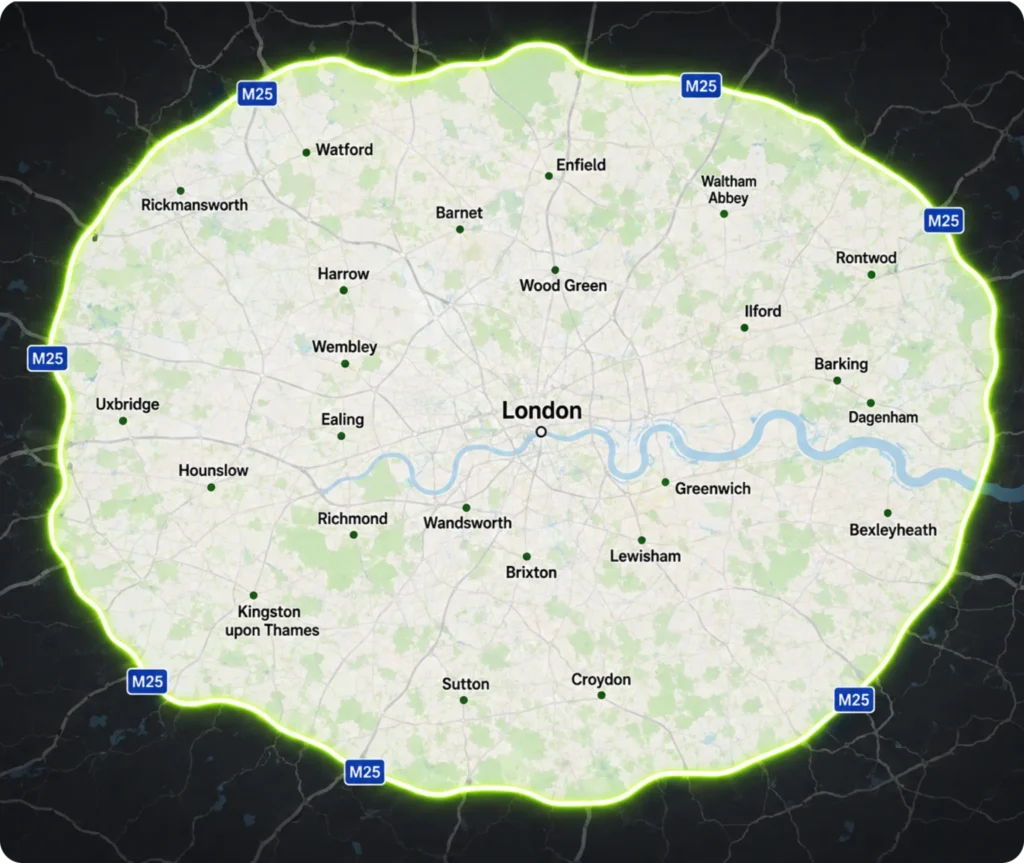
SafeHome London provides professional fire alarm installation services across East London, including Stratford, Bow, Mile End, Whitechapel, Bethnal Green, Shoreditch, Canary Wharf, Poplar, Limehouse, Hackney, Dalston, Homerton, East Ham, Plaistow, Forest Gate, Leyton and Walthamstow. We support homeowners, landlords, managing agents and businesses with reliable fire detection solutions for houses, flats, HMOs, offices, shops and commercial buildings. Whether you need a new fire alarm system, an upgrade or additional smoke and heat detectors, our team can help you choose a suitable solution based on your property’s layout and fire safety requirements.
10+
Years of Experience
20,000+
Properties Certified
40+
Talented Engineers
Areas We Cover
Central London
North West London
South West London
South East London
North London
West London
South London
East London
Frequently Asked Questions
Is a fire alarm system legally required in my property?
The legal requirements depend on the type of property. Relevant rented homes in England must have smoke alarms on each storey used as living accommodation. Commercial premises must have suitable fire detection and warning arrangements based on their fire risks. The system required will depend on the building and its use.
How much does fire alarm installation cost in East London?
The cost depends on the building’s size, the number of detectors, the system type and the installation work needed. Domestic alarm systems are generally simpler than large commercial installations. Safe Home London can provide a quotation based on your property’s requirements.
What type of fire alarm system does my property need?
The right system depends on the layout, occupancy, fire risks and relevant safety guidance. Houses may need interlinked smoke and heat alarms, while commercial buildings may need conventional or addressable systems. A property assessment helps identify the suitable option.
What is the difference between a conventional and an addressable fire alarm system?
A conventional system identifies the zone where an alarm has been activated. An addressable system identifies the specific device. Conventional systems are often suitable for smaller sites, while addressable systems can be useful in larger or more complex buildings.
Are wireless fire alarm systems suitable for commercial buildings?
Yes. Wireless fire alarm systems can be suitable for commercial premises when correctly designed and installed. They are often useful where cabling would be difficult. The design must consider radio coverage, device compatibility, power supplies and the relevant British Standard.
Will I receive a fire alarm installation certificate?
Relevant installation and commissioning documentation should be provided following completion, according to the system and work carried out. This may include certificates, test records and operating information. The specific documents can be confirmed when the work is agreed.
Can SafeHome London install fire alarms in occupied buildings?
Installation work can often be planned around occupants. Access, noise, temporary safety arrangements and disruption should be discussed before work begins. The best approach depends on the system type and the building’s use.
Do you provide both domestic and commercial fire alarm installation in East London?
Yes. SafeHome London supports fire alarm installation for houses, flats, HMOs, rental properties, offices, shops and other commercial buildings across East London. Contact us with your property details to discuss the appropriate service.
Accreditations