Fire Alarms Installation Central London
Protect your property and the people inside it with professional fire alarm installation in Central London. SafeHome London provides fire detection and alarm solutions for commercial buildings, rental properties, HMOs, residential blocks and shared accommodation. A good fire alarm system helps detect danger early and gives people time to respond. Whether you need a new system, extra detectors or an upgrade to an existing alarm, we can help you find a suitable solution for your building. Our services cover fire alarm design, installation, testing, commissioning and ongoing maintenance. We take account of your property layout, how the building is used and the fire safety measures already in place. From small flats to larger business premises, our aim is to make fire alarm installation clear, practical and easy to arrange.
Fire Alarm Installation
£220 Per Alarm
Expert Fire Alarm Installation Services in Central London
Every property has different fire risks. A small office may need a different alarm system from a hotel, HMO or block of flats. Choosing the right equipment and placing it correctly are important parts of keeping people safe. SafeHome London offers fire alarm installation services tailored to the needs of each building. We consider the level of fire detection needed, where alarms should be placed and how people will be warned if a fire starts.
Fire Alarm Design, Supply and Installation
A fire alarm system should be planned before any equipment is fitted. Good design helps ensure that the system covers the right areas and works with the building’s fire safety arrangements. Our installation service can include:
- Assessing the building layout and fire detection needs.
- Selecting suitable smoke and heat detectors.
- Planning the location of alarm panels and sounders.
- Installing manual call points where required.
- Connecting and configuring alarm equipment.
- Testing the completed installation.
The system is selected around the property’s needs rather than simply fitting the same alarms in every building.
New Installations, System Replacements and Upgrades
Some properties need a complete fire alarm installation. Others already have a system but require more detectors, updated equipment or repairs. We can assess existing arrangements and help identify whether the system needs extending, upgrading or replacing. For example, a building converted into several flats may need changes to its fire detection arrangements. An office with an older alarm panel may need an upgrade if replacement parts are no longer available. The aim is to find a practical solution that provides the required level of protection.
Commercial and Residential Fire Alarm Solutions
Fire alarm requirements depend on the type of property and its use. A business premises may require a fire alarm control panel, automatic detection and manual call points. A domestic property may use linked smoke and heat alarms with battery backup. We help customers understand these differences and choose equipment suited to their buildings. Our services support landlords, business owners, property managers and people responsible for shared residential buildings.
Fire Alarm Commissioning and Handover Documentation
Installing alarm equipment is only part of the work. The completed system must also be checked to confirm that it operates as intended. Commissioning involves testing detectors, alarm signals, sounders and other relevant components. Once the work is complete, the appropriate installation and commissioning records should be prepared. These may include system details, operating instructions, test results and any agreed variations from the design standard. Clear handover information helps the person responsible for the building manage future testing and maintenance.
Choosing the Right Fire Alarm System for Your Property
Different fire alarm systems offer different levels of control, detection and flexibility. The right choice depends on the size of the building, its layout, the people using it and the findings of the fire risk assessment. Whether customers need a new installation or are searching for fire alarms testing near me, we help them understand their options and choose a suitable system that meets their needs without adding unnecessary equipment.
Conventional Fire Alarm Systems for Smaller Buildings
A conventional fire alarm system divides a building into detection zones. When a detector or manual call point is activated, the control panel identifies the affected zone. This helps people find the general area where the alarm started. These systems can be suitable for smaller commercial buildings with simple layouts. They often provide a practical solution where detailed identification of every individual detector is not needed.
Addressable Fire Alarm Systems for Larger and Complex Premises
Addressable fire alarm systems can identify the individual device that has activated. This makes it easier to find an alarm source, especially in larger buildings with many rooms or floors. Addressable systems can also offer advanced fault reporting, monitoring and control features. They may be suitable for hotels, offices, large commercial properties and buildings with more complex fire safety arrangements.
Wireless Fire Alarm Systems for Existing and Heritage Buildings
Wireless fire alarm systems use radio signals to communicate between suitable devices. This can reduce the need for cables running through walls, ceilings and finished rooms. Wireless equipment may be useful in:
- Listed and historic buildings.
- Occupied offices and commercial premises.
- Converted Victorian properties.
- Buildings where installing cables would cause major disruption.
A wireless system still needs careful design. Signal strength, device compatibility, batteries and future maintenance must all be considered.
Mains-Powered and Interlinked Smoke and Heat Alarms
Interlinked alarms are designed to sound together when one connected unit detects a fire. For example, if a smoke alarm activates in a hallway, other linked alarms can warn people in nearby areas. Domestic systems may use mains-powered smoke and heat alarms with battery backup. Heat alarms are often used in kitchens because they respond to rising temperature rather than ordinary cooking smoke. The correct alarm type and location depend on the building and the required protection category.
Automatic Detectors, Manual Call Points, Sounders and Control Panels
A fire alarm system may include several types of equipment working together.
Component | Main purpose |
Smoke detector | Detects smoke that may indicate a fire |
Heat detector | Detects a set temperature or rapid temperature rise |
Manual call point | Lets someone raise the alarm manually |
Alarm sounder | Warns people with an audible signal |
Visual alarm device | Gives a visible warning where needed |
Fire alarm control panel | Monitors and controls the alarm system |
Backup power supply | Helps the system operate during a mains power failure |
Not every property needs every component. The system design should identify which devices are necessary.
Fire Alarm Monitoring and Connections to Other Safety Systems
In some buildings, a fire alarm may need to work with other safety equipment. This can include automatic fire door release devices, smoke ventilation controls or systems that alert an alarm receiving centre. These connections must be designed carefully so that each part responds correctly when an alarm is activated. A monitored fire alarm can provide an additional way to report an alarm activation, but it does not replace the need for suitable on-site fire safety arrangements.
Our Process
Our streamlined process makes it easy to keep your property safe, compliant, and fully certified from start to finish.
Assess the Property
We review the property layout, occupancy, escape routes, existing alarm system and any known fire-safety concerns. This helps us understand what level of detection and protection may be required.
Plan the System
We choose the suitable alarm type, detector locations, sounders and control equipment based on the property and level of risk. A clear scope of work is then prepared before installation begins.
Install and Test
The agreed fire alarm equipment is installed in the planned positions with minimal disruption where possible. Once fitted, the system is tested to check that detectors, sounders, call points and other key components operate correctly.
Commission and Certify
After testing, the system is commissioned and the completed work is reviewed. Relevant installation and commissioning documentation can then be provided, along with basic guidance on system use, testing and future maintenance.
Our Fire Alarm Installation Process from Survey to Handover
A clear installation process helps customers understand what work is needed and what to expect. SafeHome London aims to make each stage straightforward, from the first enquiry to final testing and handover.
Initial Property Survey and Fire Safety Requirements
The first stage is understanding the property. We discuss the building type, number of floors, current fire alarm arrangements and any concerns raised by a fire risk assessment. A site survey can help identify suitable equipment locations, access issues and any work needed before installation. This gives a clearer basis for the proposed system and quotation.
Fire Alarm Design, Detector Positioning and System Specification
Once the requirements are understood, the next stage is planning the system. This includes selecting the appropriate alarm type, deciding where detectors should be installed and identifying suitable positions for control equipment. We also consider how alarm signals will reach the people who need to hear or see them. A clear specification helps reduce misunderstandings and makes it easier to plan the installation.
Installation Planning for Occupied Buildings
Many London properties remain occupied while safety work is carried out. This can require careful planning, especially in offices, shops, hotels and blocks of flats. We discuss access arrangements and practical steps to reduce disruption. Where existing fire protection needs to be temporarily affected, suitable precautions should be agreed with the person responsible for the building.
Fitting Control Panels, Detectors, Call Points and Sounders
Installation involves fitting the selected equipment in the agreed locations. The work may include cabling, mounting detectors, connecting alarm devices and configuring the control panel. Each device should be installed in line with the system design and relevant manufacturer’s instructions. Good installation work also considers access for future testing and maintenance.
Functional Testing, Commissioning and System Verification
After installation, the system is checked to confirm that it operates as designed. Testing may include activating detectors and call points, checking sounders, verifying panel indications and confirming relevant fault signals. Power supplies and backup arrangements are also checked as required. Any faults found during commissioning must be addressed before the system is accepted as complete.
User Demonstration, Logbooks and Certification
The person responsible for the building should understand how to use the completed alarm system. The handover may include showing how to identify an alarm activation, silence and reset the panel, and recognise fault warnings. Appropriate system records and certificates should also be provided. This helps the customer manage the system safely after installation and arrange its ongoing maintenance.
Fire Alarm Servicing, Maintenance and Testing in Central London
Fire alarm systems need ongoing care after installation. Detectors can become dirty, batteries can fail and equipment can develop faults over time. Regular testing and servicing help identify problems before they affect the system’s ability to warn people.
Routine Fire Alarm Servicing and Scheduled Inspections
Professional fire alarm servicing involves checking the condition and operation of the system. For many non-domestic systems, BS 5839-1 recommends competent-person servicing at intervals not exceeding six months, alongside routine user checks. The exact maintenance arrangements depend on the type of system and relevant requirements. A servicing visit may include testing selected devices, checking the panel and inspecting power supplies.
Weekly Fire Alarm Testing and Record Keeping
Commercial fire alarm systems normally require routine weekly user testing. This often involves operating a different manual call point each week according to the system’s instructions. The purpose is to confirm that the alarm can be raised and that the system responds as expected. Test results, faults and action taken should be recorded in the fire alarm logbook. Regular records help show that the system is being managed.
Fault Diagnosis, False Alarm Investigation and Repairs
Repeated false alarms can cause disruption and reduce confidence in the system. Possible causes include unsuitable detector locations, contaminated devices, equipment faults or environmental conditions. A proper investigation helps identify the cause rather than simply resetting the alarm. Repair work may involve adjusting equipment, replacing faulty parts or reviewing the system design.
Battery Replacement, Detector Maintenance and Component Upgrades
Fire alarm components do not last forever. Standby batteries may need replacement, detectors may require cleaning or changing, and older components may become difficult to maintain. Routine servicing can help identify these issues. Where equipment is no longer suitable or supported, an upgrade may be recommended to maintain reliable operation.
Maintenance Records and Ongoing Compliance Responsibilities
The building’s responsible person should keep suitable records of inspections, testing and maintenance. These records may include:
- Weekly test results.
- Professional servicing reports.
- Faults and repairs.
- Battery replacements.
- System changes.
- False alarm incidents.
Good records support ongoing fire safety management and make it easier to identify problems that occur repeatedly.
How Much Does Fire Alarm Installation Cost in Central London?
The cost of fire alarm installation London depends on the system required and the work involved. A small domestic installation will usually have different costs from an addressable system in a multi-storey commercial property. We recommend obtaining a quotation based on the actual building rather than relying on a single fixed price for every property.
Factors That Affect Fire Alarm Installation Prices
Several factors can influence the total cost:
- Building size and number of floors.
- Number and type of detectors.
- Wired or wireless equipment.
- Fire alarm panel requirements.
- Cabling and access conditions.
- Integration with other safety equipment.
- Testing and commissioning work.
- Any changes required to an existing system.
The system’s required category and grade also affect the equipment needed.
Conventional, Addressable and Wireless System Costs
Conventional systems may be a cost-effective choice for smaller buildings with simple layouts. Addressable systems generally use more advanced equipment and can provide individual device identification.
Wireless systems may reduce cabling work, but the devices can cost more than some wired alternatives. The lowest equipment price does not always mean the lowest overall installation cost. The best choice depends on the property and the long-term maintenance needs.
Installation Costs for HMOs, Flats and Commercial Premises
A small flat may need a limited number of linked smoke and heat alarms. An HMO may require more extensive detection, depending on its size and layout. Commercial premises may need a control panel, manual call points, sounders and automatic detection across several areas. Because these requirements vary, the total price should be based on the system specification.
Survey, Design, Cabling and Commissioning Considerations
A quotation should account for more than the alarm devices themselves. It may also need to include site assessment, system design, cable routes, labour, equipment configuration and final commissioning. Older buildings can require additional planning because access is often more difficult.
Understanding these costs in advance helps property owners plan their budgets.
Ongoing Servicing, Maintenance and System Upgrade Costs
Fire alarm ownership includes ongoing maintenance. Professional servicing, replacement batteries and occasional repairs may be needed throughout the system’s life. The cost depends on the equipment installed and the size of the system. Choosing suitable, maintainable equipment from the beginning can make future servicing easier.
Request a Property-Specific Fire Alarm Installation Quote
SafeHome London can help you discuss the fire alarm requirements for your property in Central London. Tell us the building type, location, number of floors and whether an alarm system is already installed. If you have a recent fire risk assessment, you can also share the relevant recommendations. We can then discuss the next steps towards a suitable installation quotation.
Why Choose SafeHome London for Fire Alarm Installation?
SafeHome London provides professional fire alarm installation services tailored to residential and commercial properties across Central London. Our experienced team focuses on fire safety, reliable system design and compliance with relevant British Standards, including BS 5839. We offer clear quotations, careful installation planning, thorough testing and appropriate certification to help ensure your fire alarm system works as intended. Whether you are a landlord, business owner or property manager, we provide practical advice, clear communication and dependable support to help keep your property and its occupants safe.
Fire Alarm Installers Covering Central London
SafeHome London provides fire alarm installation enquiries and services across Central London. The area includes a wide mix of offices, restaurants, retail premises, residential flats and historic buildings. Our approach takes account of the property type and the practical challenges of working in busy London locations.
Westminster, Victoria, St James’s and Belgravia
These areas include commercial offices, hotels, apartment buildings and period properties. Fire alarm work may involve new installations, additional detection or upgrades to existing systems. We can discuss suitable arrangements for properties in Westminster, Victoria, St James’s and Belgravia.
Soho, Mayfair, Marylebone and Fitzrovia
Soho, Mayfair, Marylebone and Fitzrovia contain a mix of shops, restaurants, offices and residential accommodation. Older buildings and mixed-use layouts can make fire alarm planning more complex. We help customers explore suitable detection and warning systems for these different settings.
Covent Garden, Holborn and Bloomsbury
Properties in Covent Garden, Holborn and Bloomsbury range from business premises to converted houses and shared buildings. Fire alarm installations may need to account for occupied spaces, shared entrances and limited access. Careful planning helps reduce disruption and supports a suitable system design.
City of London, Barbican and Clerkenwell
Offices, mixed-use premises and residential buildings in the City of London, Barbican and Clerkenwell can have varied alarm requirements. Larger sites may need addressable systems, while smaller premises may be suited to simpler arrangements. The selection should always reflect the building’s fire risks and intended use.
Paddington, Bayswater and Surrounding Central London Areas
Paddington and Bayswater include hotels, guesthouses, offices, rental flats and older residential conversions. These buildings may require new fire detection, system improvements or planned servicing. SafeHome London can help customers discuss installation needs across these areas and other Central London locations.
10+
Years of Experience
20,000+
Properties Certified
40+
Talented Engineers
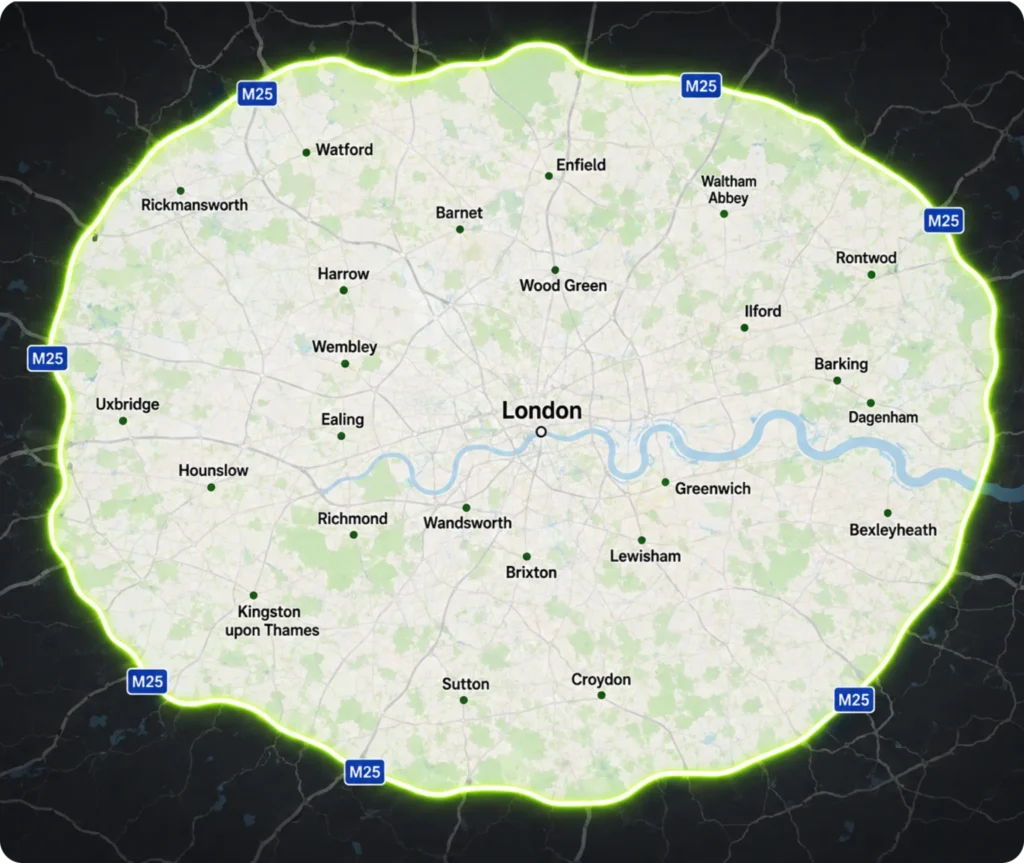
Areas We Cover
Central London
North West London
South West London
South East London
North London
West London
South London
East London
Frequently Asked Questions
Do I Need a Fire Alarm System in My Commercial Property?
Most commercial premises need a suitable way to warn people if a fire starts. The required system depends on the building size, layout, occupancy and fire risk assessment. Some small premises may have simpler arrangements, while larger buildings often need an electrical fire detection and alarm system.
Is Fire Alarm Installation a Legal Requirement for HMOs?
HMOs must have suitable fire safety measures, including appropriate fire detection and warning arrangements. The exact system depends on the type and size of the property, applicable housing requirements and fire safety guidance. A landlord should not assume that a basic set of standalone smoke alarms is enough for every HMO.
How Long Does a Fire Alarm Installation Take?
Installation time depends on the size and complexity of the system. A simple domestic installation may be completed within a day, while a larger commercial system may require several days or more. The installation schedule should be discussed after the property and proposed work have been assessed.
Do I Need Smoke Alarms in Bedrooms, Hallways and Kitchens?
Alarm locations depend on the type of property and the required detection category. Hallways and landings are commonly protected by smoke alarms. Kitchens often use heat alarms to reduce unwanted activations. Bedroom detection may also be required, depending on the system category, building use and fire risk assessment.
Can an Existing Fire Alarm System Be Extended or Upgraded?
Yes, many existing systems can be modified or extended. This depends on the age, condition and compatibility of the equipment. A survey can help establish whether extra detectors can be added or whether a larger upgrade would be more suitable.
Accreditations