EICR in Marylebone
Looking for a reliable EICR in Marylebone? SafeHome London provides electrical safety inspections for landlords, homeowners, letting agents and commercial property owners across Marylebone and surrounding areas. An Electrical Installation Condition Report (EICR) helps identify electrical faults, damaged wiring and potential safety hazards before they cause serious problems. Whether you need a landlord electrical safety certificate, a home inspection or are searching for commercial EICR London near me, our team can help you arrange the right service. Our inspections assess the condition of your property’s fixed electrical installation. You receive a detailed report explaining the findings, highlighting safety concerns and identifying any necessary work. We offer clear pricing, convenient booking options and practical support with electrical remedial work where required.
EICR Testing and Electrical Safety Certificates in Marylebone
Electrical faults are not always easy to spot. Wiring can become damaged over time, connections may loosen and older electrical systems may no longer provide enough protection. Our EICR testing in Marylebone helps property owners understand the condition of their electrical installations. The inspection checks for defects that could increase the risk of electric shock, overheating or fire. SafeHome London provides electrical inspection services for residential and commercial properties, helping customers understand their electrical safety needs and meet relevant requirements.
Electrical Installation Condition Reports for Homes and Businesses
An Electrical Installation Condition Report gives you a written record of the condition of your property’s fixed electrical installation at the time of inspection. The electrician checks selected parts of the installation, carries out electrical tests and records the results. The report includes details of the inspected circuits, any defects found and recommendations for further work. For landlords and business owners, this report can also help demonstrate that suitable steps have been taken to check electrical safety.
Identifying Electrical Hazards, Defects and Safety Risks
Some electrical problems develop slowly and remain hidden until a fault occurs. An EICR can identify issues such as damaged insulation, poor electrical connections, inadequate earthing and unsuitable circuit protection. Finding these problems early gives property owners a chance to arrange repairs before the risks become more serious. Not every defect requires major electrical work. Some problems may be resolved through minor repairs, while others need further testing or replacement of damaged components.
Reliable Electrical Inspections for Landlords, Homeowners and Businesses
Different properties have different electrical safety needs. A landlord may need an EICR before a new tenancy. A homeowner may want to check the wiring in an older property. A business owner may need inspection records to support workplace safety duties. We help customers arrange the right type of electrical inspection based on the property, its use and the available electrical records. Our aim is to make the process clear, from the first enquiry through to receiving your inspection report.
Our Process
Our streamlined process makes it easy to keep your property safe, compliant, and fully certified from start to finish.
Property Details & Booking
Share the property address, type, access details and any known electrical issues. This helps us confirm the inspection scope and arrange a suitable appointment.
Visual Inspection
Our engineer inspects the electrical installation for visible damage, deterioration, unsafe alterations and other issues that may need closer attention.
Electrical Testing
We carry out the required electrical tests and check relevant circuits, protective devices and safety measures. Any defects found are recorded using the correct EICR classification codes.
EICR Report & Next Steps
Once the inspection is complete, you receive a clear EICR report with the findings, test results and recommended next steps. If remedial work is needed, this will be clearly identified.
What Is an EICR and Why Is It Important?
An EICR is a formal inspection and test of an existing electrical installation. It checks whether the wiring, electrical circuits and safety devices are in a condition suitable for continued use. Over time, electrical installations can wear out, suffer damage or become unsuitable for the way a property is used. Regular inspection helps identify these problems.
What Does an Electrical Installation Condition Report Tell You?
Your EICR explains whether the inspected installation is satisfactory or unsatisfactory for continued use. It records the condition of the installation, the results of electrical tests and any safety issues that were found. Where defects are identified, the electrician assigns observation codes to show how serious they are. The report also records the recommended date for the next inspection, based on the condition and use of the installation.
Why Regular Electrical Inspections Matter for Property Safety
Electrical safety is not only about keeping the lights and sockets working. A circuit may appear to operate normally while still having hidden faults. Regular testing can help identify:
- Damaged or deteriorating electrical wiring.
- Poor earthing and bonding arrangements.
- Faulty or unsuitable circuit protection.
- Signs of overheating or unsafe connections.
- Electrical alterations that may affect safety.
These checks help reduce risks to occupants and provide useful information when planning electrical repairs or upgrades.
The Difference Between an EICR, Electrical Safety Certificate and Electrical Installation Certificate
These terms are often used together, but they do not always mean the same thing.
Document | Main purpose |
Electrical Installation Condition Report (EICR) | Checks the condition of an existing electrical installation. |
Electrical Installation Certificate (EIC) | Records inspection and testing for new electrical installations or certain alterations. |
Minor Electrical Installation Works Certificate | Records suitable minor electrical work on an existing circuit. |
Electrical Safety Certificate | A general term often used by customers when referring to an EICR or another electrical certificate. |
If you need an EICR certificate in Marylebone, we can help you identify the correct inspection for your property.
Why Choose Us?
Our streamlined process makes it easy to keep your property safe, compliant, and fully certified from start to finish.
Flexible Appointments
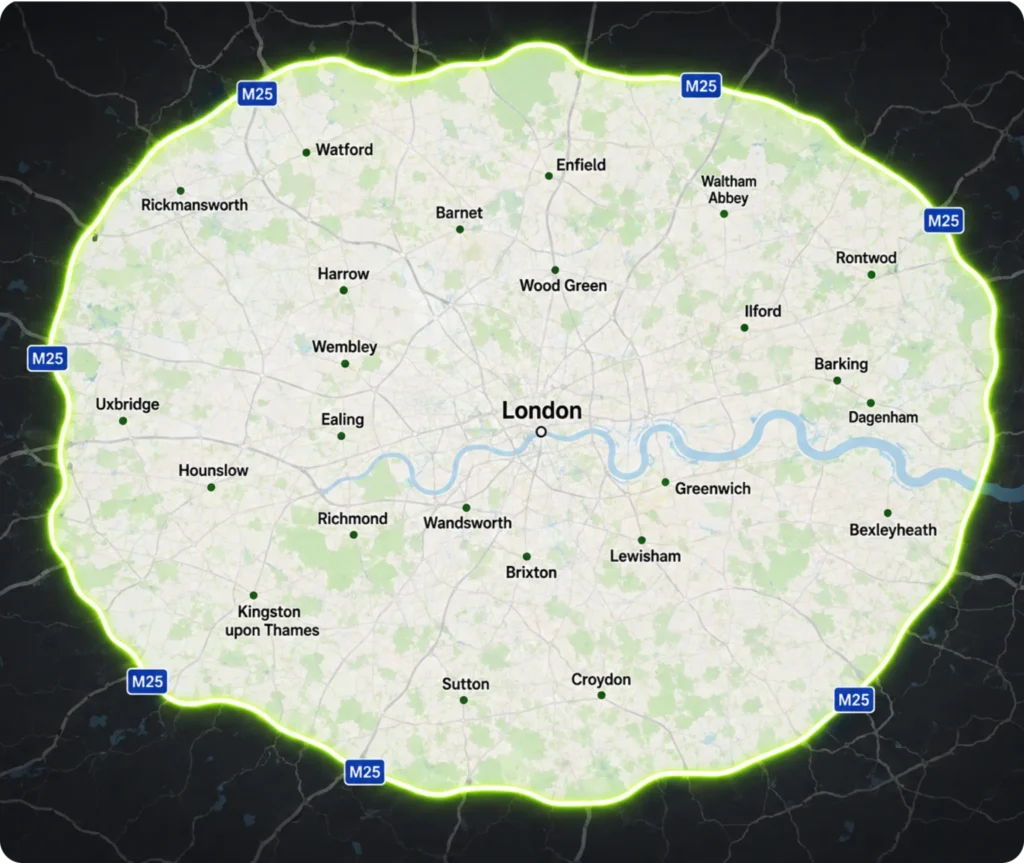
We offer convenient EICR booking slots across London and work around your schedule to make the inspection process as smooth and hassle-free as possible.
Thorough Electrical Testing
Our electricians carry out detailed checks of the fixed electrical installation, including circuits, wiring, consumer units, sockets, earthing and protective devices.
Clear EICR Certification
After the inspection, you receive a clear EICR report showing whether the installation is satisfactory or unsatisfactory, together with details of any electrical issues identified.
Our EICR Inspection Services in Marylebone
SafeHome London provides electrical inspection services for different property types. Each inspection is planned around the installation, its size and how the property is used.
Domestic EICR Testing for Houses and Flats
Our domestic EICR service covers residential properties, including studio flats, apartments and houses. Domestic inspections focus on the fixed wiring, consumer unit, electrical circuits and relevant safety devices. An EICR can be useful when buying a home, preparing a property for tenants or assessing an installation that has not been inspected for several years.
Landlord Electrical Safety Certificates for Rental Properties
Landlords in England must meet electrical safety requirements for rented homes. An EICR helps landlords identify whether their rental property’s fixed electrical installation is safe for continued use. We provide landlord electrical safety inspections for single-let homes, flats and other rented accommodation. Where a report identifies defects that require attention, we can also assist with arranging suitable electrical remedial work.
Commercial EICR Testing for Offices, Shops and Business Premises
Commercial electrical installations often serve more equipment and circuits than domestic systems. Our commercial EICR testing in Marylebone is suitable for offices, retail premises and other business properties. The inspection assesses the relevant fixed wiring, distribution boards, circuit protection and electrical safety arrangements. Testing may need to be planned around business hours, especially where access or temporary electrical shutdowns could affect daily operations.
Electrical Safety Inspections for HMOs and Shared Accommodation
Houses in Multiple Occupation (HMOs) may contain shared facilities, several occupants and electrical installations serving different parts of the building. These properties need careful attention to electrical safety, particularly where installations have been altered or extended. Our inspections can assess the fixed electrical systems within the agreed scope and help landlords identify defects that need further attention. The correct inspection scope will depend on the building layout, electrical supplies and areas under the landlord’s control.
Fixed Wire Testing for Commercial and Managed Properties
Fixed wire testing is another commonly used term for periodic inspection and testing of an electrical installation. It covers the electrical wiring and circuits that form part of the building, rather than portable equipment connected to sockets. We can help arrange fixed wire testing for commercial premises, managed properties and shared building areas.
EICR Regulations and Electrical Safety Responsibilities in Marylebone
Electrical safety is an important responsibility for landlords, property managers and businesses. The rules that apply depend on the type of property and how it is used. Our EICR inspections in Marylebone help customers understand the condition of their electrical installations and identify work needed to meet relevant safety standards.
Electrical Safety Standards Under BS 7671
BS 7671, commonly called the IET Wiring Regulations, sets out the UK requirements for electrical installations. It covers electrical safety measures, wiring methods, protective devices, inspection and testing. The current edition is BS 7671:2018+A4:2026, published in April 2026. This includes the latest amendments to the 18th Edition Wiring Regulations. An EICR assesses the safety of an existing installation. Older installations do not automatically require replacement simply because the rules have changed. The electrician considers whether any difference from current requirements creates a safety concern.
Landlord Responsibilities Under the Electrical Safety Standards Regulations
Landlords in England have legal duties under the Electrical Safety Standards Regulations. The rules require electrical installations in covered rented homes to be inspected and tested by a qualified person at least every five years, or sooner where the report requires it. Landlords must also:
- Provide existing tenants with a copy of the report within 28 days of inspection.
- Give new tenants a copy before they move in.
- Provide prospective tenants with a copy within 28 days of a request.
- Supply the local council with a copy within seven days when requested.
- Arrange required remedial work or further investigation within 28 days, or sooner if the report specifies.
- Keep appropriate records of inspections and completed work.
The regulations cover private rented homes and have also been extended to social rented housing, subject to the relevant commencement and transitional provisions.
Electrical Safety Duties for Commercial Premises
Commercial property owners and employers have duties to manage electrical safety risks. The Electricity at Work Regulations 1989 require electrical systems to be maintained so as to prevent danger, as far as reasonably practicable. An EICR can help identify hazards and support an electrical maintenance plan. Unlike the standard five-year landlord requirement for covered rented homes, commercial inspection intervals depend on the installation, its condition, how it is used and the level of risk.
EICR Requirements for HMOs and Rental Accommodation
HMOs and shared rental properties often have more demanding electrical arrangements because several people may use the building. Landlords need to consider electrical safety within individual rooms, shared living areas and other relevant parts of the property. The inspection scope should reflect the electrical installation and the areas for which the landlord is responsible. Additional HMO licensing requirements may apply, depending on the property and local authority rules.
How Often Should an Electrical Installation Be Inspected?
The recommended inspection period depends on the property and its use.
Property type | Inspection guidance |
Private rented residential property | At least every 5 years, or sooner if required. |
Social rented residential property | At least every 5 years, subject to applicable transitional rules. |
Owner-occupied home | Often recommended at intervals of up to 10 years, depending on the installation. |
Commercial premises | Risk-based intervals, taking account of the type, use and condition of the installation. |
Property with known electrical defects | Earlier inspection or remedial action may be necessary. |
The inspection report should state the recommended date for the next test. The relevant legal duties may require an earlier inspection.
What Happens If a Rental Property Fails an Electrical Safety Inspection?
If an EICR identifies C1, C2 or FI observations, the landlord must arrange the necessary action. For covered rented homes in England, the required work or investigation must normally be completed within 28 days or within a shorter period stated in the report. Once the work is completed, suitable written confirmation must be provided to the tenant and local authority within the required period. Ignoring serious electrical defects can put occupants at risk and may lead to enforcement action.
EICR Testing for Different Property Types in Marylebone
Marylebone contains a mix of period houses, converted flats, modern apartments, offices and commercial buildings. Each type of property can have different electrical systems and inspection needs. Our electrical safety services are suitable for a wide range of properties across the area.
Period Properties and Older Electrical Installations: Older buildings in Marylebone may contain electrical systems that have been changed or extended over many years. Some installations may include older wiring, dated consumer units or circuits added during previous renovation work. An EICR can help establish the current condition of the installation and identify areas that may need attention. The age of the building alone does not mean its wiring is unsafe. The inspection findings determine whether action is needed.
Converted Flats and Multi-Occupancy Buildings: Large houses converted into flats may have separate electrical supplies, shared circuits or communal distribution equipment. Understanding which installation serves each part of the building is important when planning an inspection. Where several flats are involved, we can help property owners and managing agents arrange suitable access and testing.
Modern Apartments and Residential Developments: Newer properties can also develop electrical defects. Poor connections, damaged accessories and unsuitable alterations can affect installations of any age. An EICR is useful for assessing electrical safety after several years of use, especially when the property has changed ownership or tenancy.
Offices, Retail Units and Commercial Buildings: Commercial properties may contain multiple distribution boards, three-phase supplies and circuits serving office equipment, lighting or other fixed systems. These installations can require more detailed testing and careful planning. Where electrical shutdowns could affect the business, inspection arrangements should be discussed in advance.
Properties Undergoing Renovation or a Change of Tenancy: Renovation work can affect the condition and layout of existing wiring. An EICR before major refurbishment can help identify defects within the current installation and inform planning. After electrical installation or alteration work, separate electrical certification may also be required. For rental properties, it is sensible to review the existing electrical report before a new tenancy begins, even where a valid report is already held.
Why Choose SafeHome London for EICR Testing in Marylebone?
SafeHome London provides professional EICR testing in Marylebone for landlords, homeowners and businesses. Our competent electricians carry out detailed inspections in line with BS 7671, identifying electrical faults and providing clear reports with practical recommendations. We offer transparent pricing, convenient appointment options and support with electrical remedial work when required. From residential flats to commercial properties, we help customers maintain electrical safety and meet relevant compliance requirements.
10+
Years of Experience
20,000+
Properties Certified
40+
Talented Engineers