
Energy Performance Certificate London
Need an Energy Performance Certificate in London? SafeHome London provides professional EPC assessments for homeowners, landlords, agents, property managers and businesses across London. An EPC rates a property’s energy efficiency from A to G and highlights possible improvements. Our services include: Domestic and landlord EPCs, Commercial EPC assessments, EPC renewals, New-build and conversion EPCs, Multiple-property and portfolio bookings. Your assessment is completed by a suitably accredited energy assessor, and the certificate is lodged on the official Energy Performance of Buildings Register where required.
What Is an Energy Performance Certificate ?
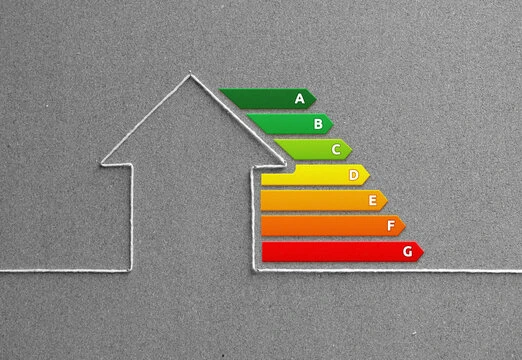
An Energy Performance Certificate (EPC) shows how energy efficient a property is and gives it a rating from A to G, with A being the most efficient. During the assessment, the assessor checks features such as heating, insulation, windows, lighting and hot water systems. For landlords, homeowners, buyers and tenants searching for energy performance near me, an EPC provides a clear overview of the property’s current energy efficiency, potential rating and recommended improvements. An EPC is commonly required when a residential or commercial property is sold, rented or newly built. It also helps buyers, tenants, landlords and property owners understand the building’s energy performance. An EPC only covers energy efficiency. It is different from an electrical safety check, gas safety certificate or building survey.
Choose the Right EPC Assessment for Your Property
Different buildings need different types of energy assessment. Using the correct assessor and method is important because domestic, commercial and new-build properties are not all assessed in the same way.
Domestic EPC Assessments for Houses and Flats: A domestic EPC is used for existing homes such as houses, flats, maisonettes, residential rental properties and many HMOs where the relevant dwelling requires its own EPC. The assessor visits the property, records the information needed to calculate its energy rating and then uses this data to produce the EPC.
Residential EPC Certificates for Landlords and Homeowners: We can arrange domestic EPC assessments for both landlords and homeowners. Common reasons include selling a home, preparing a rental property for the market, replacing an expired EPC, checking an existing property’s energy rating, assessing a property after improvements and managing compliance across a rental portfolio. If you are unsure whether your current EPC is still valid, you can check the official Register or ask us for guidance.
Commercial EPC Assessments for Business Premises: Commercial EPCs apply to non-domestic buildings such as shops, offices, restaurants, warehouses, salons, commercial units and other business premises. Commercial assessments can be more complex than domestic EPCs. The assessor may need information about the building’s construction, floor area, heating, cooling, ventilation, lighting and other fixed services.
Non-Domestic EPC Certificates for Commercial Buildings: The type of commercial energy assessor required depends on the size and complexity of the building. A small shop with simple heating is different from a large office with air conditioning and more complex building services. For this reason, we ask for basic property details before confirming the assessment. This helps make sure the right level of assessor is arranged from the start.
SAP EPC Assessments for New-Build and Newly Converted Properties: New dwellings are normally assessed using SAP rather than a standard existing-home survey. The calculation may use detailed information such as floor plans, wall and roof construction, insulation levels, windows and doors, heating systems, ventilation, renewable technologies and building dimensions. In England, SAP is used for assessing the energy performance of new dwellings. Because new-build and conversion projects need more technical information, it is best to discuss the project before booking a standard domestic EPC visit.
Our Process
Our streamlined process makes it easy to keep your property safe, compliant, and fully certified from start to finish.
Property Details and Booking
Send us the property address, type, size, number of bedrooms and access details. We confirm the correct EPC service and arrange a suitable appointment. Commercial properties or new developments may need some extra information.
EPC Property Assessment
An accredited energy assessor visits the property and records key details such as heating, insulation, windows, lighting, property size and accessible roof or loft areas. Any relevant energy improvements may also be noted.
Rating Calculation and Report
The collected information is entered into approved software to calculate the property’s energy performance. The assessment shows the current EPC rating, potential rating, main property features and recommended improvements.
Registration and Digital Certificate
Once complete, the EPC is lodged on the official Energy Performance of Buildings Register. You then receive your digital certificate, ready to share with landlords, tenants, agents, buyers or solicitors.
EPC Legal Requirements and Property Compliance in England
EPC rules are especially important when a property is being sold, rented or newly built. The exact requirements can vary depending on the type of property, so owners, landlords and agents should make sure they understand which rules apply. If a property requires an EPC, the owner is responsible for making sure a valid certificate is available when needed. For most sales and lettings, the EPC should be arranged before the property is marketed. Sellers and landlords may face enforcement action if a required EPC is not provided. Landlords and letting agents should check whether the property needs an EPC, whether the existing certificate is still valid, what rating the property has, whether Minimum Energy Efficiency Standards apply and whether any exemption has been properly registered. The EPC rating can affect whether certain privately rented properties can legally continue to be let.
For relevant domestic private rented properties, the current minimum standard is generally an EPC rating of E or above, unless a valid exemption applies. Properties rated F or G cannot normally be let or continue to be let unless the required improvements have been made or a valid exemption has been registered. Minimum energy standards also apply to many commercial rental properties. Relevant privately rented non-domestic buildings generally need an EPC rating of at least E unless an exemption applies. This is particularly important for commercial landlords dealing with low-rated, large or complex properties, new tenancies or planned improvement works. Not every building requires an EPC. Certain places of worship, temporary buildings, small stand-alone buildings, some industrial buildings, buildings due for demolition and some listed or protected properties may be exempt in specific circumstances. Separate MEES exemptions may also apply to some rented properties and usually need to be formally registered. If a required EPC has expired, a new assessment may be needed before the property is marketed. Failing to provide a valid certificate can lead to enforcement action and financial penalties. Checking the EPC early can help avoid delays during a sale, letting or new tenancy.
Why Choose SafeHome London for Your Energy Performance Certificate?
SafeHome London provides clear and reliable EPC services for homeowners, landlords, property managers and businesses across London. We arrange assessments with suitably accredited energy assessors and help make sure the correct service is booked for residential, commercial or new-build properties. Our process is simple, with clear pricing, easy booking and digital EPC certificates that show the property’s current rating, potential rating and recommended improvements. Certificates are typically issued within 24 hours of completion and payment, where no further information is required. We cover Central, North, East, South and West London, including single properties and larger portfolios. SafeHome London can also help with other compliance services such as EICRs, GSC, fire risk assessments, asbestos surveys and Legionella risk assessments, making it easier to manage several property requirements in one place.
Need More Than One Property Compliance Certificate?
SafeHome London can help landlords, agents and property managers arrange several compliance services for the same property or portfolio. This can reduce repeated access visits and make ongoing compliance easier to manage. Alongside EPC assessments, we can also help arrange services such as EICRs, gas safety certificates, fire risk assessments, fire alarm testing and emergency lighting testing. Each service has a different purpose, but they can often be coordinated around the same property. For larger portfolios, you can send us a property list with the addresses, property types, access contacts, required certificates and expiry dates. This helps us organise appointments, track what is due and keep the process simple.
10+
Years of Experience
20,000+
Properties Certified
40+
Talented Engineers

Areas We Cover
Frequently Asked Questions
How quickly will I receive my fire risk assessment report?
Report turnaround can depend on the size and complexity of the assessment. We will confirm the expected reporting timeframe when arranging your booking, particularly where you are working to a compliance, licensing or property-management deadline.
Do I Need an EPC Before Selling My Property?
Usually, yes. In England, a valid EPC is normally required before a property is marketed for sale. If you already have an EPC that is still valid, you may be able to use it. Check the official Register before ordering another assessment.
Does a Landlord Need an EPC Before Renting Out a Property?
In most cases, yes. A landlord normally needs a valid EPC before marketing a property for rent. Relevant private rented properties must also meet current Minimum Energy Efficiency Standards unless a valid exemption applies.
How Long Does an EPC Assessment Take?
The visit time depends on the property. A small flat may take less time than a large house or complex commercial building. The assessor needs enough time to collect accurate information, so the visit should not be rushed.
How Quickly Can I Receive My EPC Certificate?
For standard SafeHome London bookings, certificates are typically issued within 24 hours after the assessment has been completed and payment has been received. More complex properties may take longer. If you have an urgent deadline, tell us before booking.
What Happens If My Property Has a Low EPC Rating?
Check the recommendation section of the certificate. It may identify improvements that could raise the rating. If the property is rented and falls below the legal minimum, further action may be required unless a valid exemption applies.
How Long Does an EPC Certificate Last?
An EPC is normally valid for 10 years. If a newer EPC is produced during that period, the newer certificate becomes the relevant one.
How Can I Check the EPC Rating of My Property?
Use the official government energy certificate search. You can search by address, postcode or certificate number. The service allows you to view existing certificates for properties in England and Wales.
What EPC Rating Does a Rental Property Need?
Under the current Minimum Energy Efficiency Standards, relevant domestic private rented properties generally need a rating of E or above, unless a valid exemption applies. Always check the latest government guidance for current requirements.
Can Improvements Increase My EPC Rating?
Yes. Improvements such as better insulation, heating controls, glazing, efficient heating or renewable technology may improve the rating. A new EPC assessment is needed if you want an updated certificate showing the new result.
What Is the Difference Between a Domestic and Commercial EPC?
A domestic EPC is designed for homes, while a commercial EPC is used for non-domestic buildings such as offices, shops and other business premises. They use different assessment methods.
What Is the Difference Between an EPC and a SAP Assessment?
A standard EPC is generally used for existing homes, while SAP is used for new dwellings and certain development projects. New builds and conversions may therefore need a SAP-based assessment rather than a standard EPC.
Who Is Qualified to Issue an Energy Performance Certificate?
An EPC must be produced by an appropriately accredited energy assessor using the correct approved assessment method for the property.
Accreditations