EICR in West London
Keep your property safe with professional EICR testing in West London from Safe Home London. We provide electrical inspections for homeowners, landlords, letting agents and businesses to help identify electrical faults and support safety compliance. Our electrical inspection service covers fixed wiring, consumer units, electrical circuits and safety devices. Following the inspection, you receive an Electrical Installation Condition Report (EICR) explaining the condition of your installation and any action needed. Whether you need an EICR certificate in West London for a rental property, home or commercial building, we can help you arrange a suitable inspection.
Professional Testing of EICR in West London
Electrical faults such as damaged wiring, loose connections and poor earthing can increase the risk of electric shock or fire. Regular inspections help identify these hazards and keep your property safe. Safe Home London provides professional EICR testing in West London for landlords, homeowners and businesses. Our qualified electrical inspectors check fixed wiring, consumer units, circuits and safety devices to identify faults and potential risks. Following the inspection, you receive an EICR certificate in West London detailing the condition of your electrical installation, any defects found and recommended actions to improve electrical safety and support compliance.

Understanding EICR Results, Fault Codes and Remedial Work
An EICR London is more than a pass-or-fail document. It explains the condition of an electrical installation and helps property owners understand any safety concerns. The classification codes show the level of action required.
What Does a Satisfactory or Unsatisfactory EICR Mean?
A satisfactory EICR means the inspected installation is considered satisfactory for continued use, based on the inspection findings and stated limitations. An unsatisfactory EICR means that dangerous or potentially dangerous defects, or matters requiring further investigation, have been identified.
Code | Meaning | Recommended response |
C1 | Danger present | Immediate action required |
C2 | Potentially dangerous | Urgent remedial action required |
C3 | Improvement recommended | Consider improvements |
FI | Further investigation required | Investigate without delay |
C1, Danger Present and Immediate Safety Action
A C1 code means the inspector has identified a condition that presents immediate danger. For example, exposed live electrical parts that can be touched may create a serious risk of electric shock. Immediate action is needed to remove or control the danger. The affected part of the installation may need to be made safe.
C2, Potentially Dangerous Electrical Defects
A C2 code means a condition could become dangerous and requires urgent attention. Examples may include inadequate electrical protection or a fault that could expose people to danger under certain conditions. A C2 observation makes an EICR unsatisfactory and requires suitable remedial action.
C3, Recommendations for Electrical Safety Improvements
A C3 code means an improvement is recommended, but the finding does not, by itself, indicate a dangerous condition. For example, an older installation may benefit from improved protection even where no immediate danger has been identified. A C3 observation alone does not make an EICR unsatisfactory.
FI, Further Investigation Required
An FI code means the inspector has found a concern that requires further investigation without delay. The issue may not be fully understood until additional checks are completed. An FI observation results in an unsatisfactory EICR because the safety concern has not yet been resolved.
What Happens If Your Property Fails an EICR Inspection?
If your EICR is unsatisfactory, the first step is to review the report and understand which faults have been recorded. The electrician can explain the defects and the type of work needed. Some issues may be resolved through minor repairs. Others may require more detailed investigation or replacement of electrical components. For rental properties, landlords must act within the applicable legal timescales.
Electrical Repairs, Follow-Up Verification and Compliance Documentation
After electrical faults are repaired, the completed work should be checked and recorded by a competent person. The type of documentation depends on the work carried out. This may include an Electrical Installation Certificate, a Minor Electrical Installation Works Certificate or written confirmation of completed remedial work. A complete new EICR is not always required after repairs. The correct evidence should show that the identified issues have been addressed.
Our Process
Our streamlined process makes it easy to keep your property safe, compliant, and fully certified from start to finish.
Property Details & Booking
Share the property address, type, access details and any known electrical issues. This helps us confirm the inspection scope and arrange a suitable appointment.
Visual Inspection
Our engineer inspects the electrical installation for visible damage, deterioration, unsafe alterations and other issues that may need closer attention.
Electrical Testing
We carry out the required electrical tests and check relevant circuits, protective devices and safety measures. Any defects found are recorded using the correct EICR classification codes.
EICR Report & Next Steps
Once the inspection is complete, you receive a clear EICR report with the findings, test results and recommended next steps. If remedial work is needed, this will be clearly identified.
Residential EICR Services in West London
Safe Home London provides professional residential EICR testing in West London for homeowners, landlords, letting agents and property managers. Our inspections cover houses, flats, rental properties, HMOs and communal areas. Qualified electrical inspectors assess fixed wiring, consumer units, electrical circuits and protective devices to identify hidden faults, damaged wiring and potential safety hazards. Following the inspection, you receive a clear Electrical Installation Condition Report (EICR) outlining the findings and any recommended improvements to help maintain electrical safety and meet relevant landlord compliance requirements.
Commercial EICR Services in West London
Our commercial EICR in West London service is designed for offices, shops, restaurants, warehouses and other business premises. Commercial electrical systems often handle higher electrical demands, making regular inspection and maintenance important for workplace safety. Our qualified inspectors assess distribution boards, fixed wiring, electrical circuits and protective devices to identify faults, deterioration and potential fire or electric shock risks. Once testing is complete, we provide a detailed EICR report highlighting any defects and recommended actions, helping businesses maintain safe electrical installations, reduce disruption and support compliance with relevant electrical safety regulations.
EICR Regulations and Electrical Safety Responsibilities in West London
Electrical safety is an important part of property management. Landlords, employers and those responsible for buildings must understand the rules that apply to their installations.
BS 7671 and the UK Wiring Regulations
BS 7671, commonly known as the IET Wiring Regulations, provides the main technical standard for electrical installations in the UK. It covers electrical safety requirements, protective measures, inspection and testing. An EICR uses the applicable requirements of BS 7671 to assess the condition of an existing installation. An older installation does not automatically fail simply because it was built to an earlier edition of the regulations. The inspector must assess whether its condition presents a safety concern.
Electrical Safety Standards for Private Rented Properties in England
The Electrical Safety Standards in the Private Rented Sector (England) Regulations 2020 require landlords of covered private rented properties to arrange regular electrical inspections. The requirements were later extended to the social rented sector. For covered properties, electrical installations must be inspected and tested by a qualified person at least every five years, or sooner when the report requires it. Landlords must obtain the report and meet the duties linked to providing copies and dealing with defects.
Landlord Responsibilities, Inspection Intervals and Required Documentation
Landlords of covered rental properties must follow the legal rules for electrical safety inspections. Key duties include: Arranging inspection and testing at least every five years, or sooner where required, Giving existing tenants a copy of the report within 28 days, Providing new tenants with a copy before occupation, Providing the report to the local council within seven days of a request, Completing required remedial or investigative work within 28 days, or sooner if specified, Keeping the required reports and written confirmation of completed work, Failure to meet these duties can lead to enforcement action and financial penalties.
Commercial Electrical Safety Duties and Risk-Based Inspection Frequencies
Commercial electrical safety falls under wider workplace safety duties, including the Electricity at Work Regulations 1989. These rules require electrical systems to be maintained so they do not create danger. A commercial EICR helps businesses assess the condition of fixed electrical installations and support planned maintenance. There is no single fixed EICR interval that applies by law to every commercial property. The correct frequency depends on the installation, its use, operating conditions and the risks involved.
HMO Electrical Safety Requirements and Property Management Responsibilities
HMOs can have more complex electrical safety needs because several people may use the same installation. Landlords must meet the electrical safety rules that apply to their property. They must also consider HMO licensing conditions and any additional local requirements. Regular inspection helps identify risks linked to shared kitchens, high electrical demand and common areas.
When Is an EICR Legally Required or Recommended?
An EICR may be required under rental property rules, property management duties or specific licensing conditions. It may also be recommended when: Buying an older property, Planning major renovation work, Investigating signs of electrical damage, Checking an installation with an unknown inspection history, Reviewing electrical safety in a commercial building, Preparing a property for letting. Even where an EICR is not a direct legal requirement, it can provide valuable information about the condition of the electrical installation.
Why Choose Us?
Our streamlined process makes it easy to keep your property safe, compliant, and fully certified from start to finish.
Flexible Appointments
We offer convenient EICR booking slots across London and work around your schedule to make the inspection process as smooth and hassle-free as possible.
Thorough Electrical Testing
Our electricians carry out detailed checks of the fixed electrical installation, including circuits, wiring, consumer units, sockets, earthing and protective devices.
Clear EICR Certification
After the inspection, you receive a clear EICR report showing whether the installation is satisfactory or unsatisfactory, together with details of any electrical issues identified.
Why Choose Safe Home London for EICR Testing in West London?
Safe Home London provides reliable and professional EICR testing in West London for homeowners, landlords and businesses. Our qualified and competent electrical inspectors assess fixed electrical installations in line with BS 7671 Wiring Regulations, helping identify potential hazards and electrical safety concerns. We provide clear Electrical Installation Condition Reports (EICRs) with detailed findings and practical recommendations for any required improvements. With convenient appointments, transparent pricing and support throughout the inspection process, we make it easier to arrange electrical safety checks, understand your results and meet relevant compliance requirements.
EICR Testing Across West London
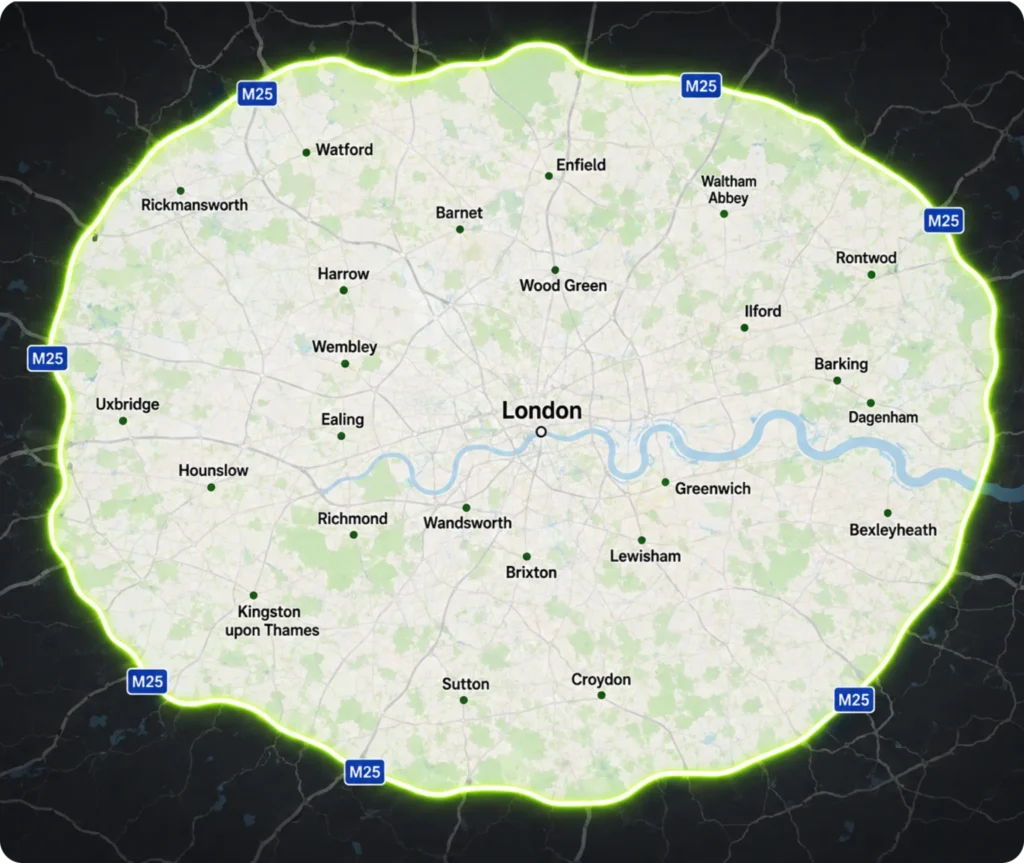
Safe Home London provides professional EICR testing across West London for homeowners, landlords, letting agents and businesses. Our electrical safety inspection services cover Ealing, Acton, Chiswick, Hammersmith, Fulham, Shepherd’s Bush, Brentford, Hounslow, Isleworth, Southall, Greenford, Hayes and nearby areas. We inspect houses, flats, rental properties, HMOs, communal areas and commercial premises to identify electrical faults and support safety compliance. Whether you need an EICR certificate in West London for a single property or manage several buildings, our qualified electrical inspectors provide reliable testing and clear reports. If you are searching for an EICR test near me, contact Safe Home London with your postcode and property details to confirm availability, receive a quotation and arrange a convenient inspection.
10+
Years of Experience
20,000+
Properties Certified
40+
Talented Engineers
Areas We Cover
Frequently Asked Questions
How Much Does an EICR Certificate Cost in West London?
EICR prices depend on property size, circuit count and the complexity of the electrical installation. Indicative residential prices at Safe Home London start from £79 for a studio flat. Commercial inspections are quoted based on the size and testing requirements of the premises.
Can I Book an EICR Test Near Me?
Yes. Safe Home London provides EICR inspections across West London, including Ealing, Acton, Chiswick, Hammersmith, Hounslow and nearby areas. Contact us with your postcode and property details to check appointment availability.
Do Landlords Need an EICR Certificate in West London?
Yes. Landlords of covered private rented properties in England must arrange electrical inspections at least every five years, or sooner if required by the previous report. They must also provide reports to tenants and address relevant electrical safety defects.
Do I Need to Switch Off the Electricity During an EICR Test?
Some electrical tests require the supply to be switched off temporarily. The electrician should explain the planned interruption before starting. The length of any power interruption depends on the installation and the testing required.
Can a Tenant Remain in the Property During Electrical Testing?
In many cases, a tenant can remain at the property during an EICR inspection. However, the electrician needs safe access to the consumer unit, sockets and other relevant areas. Short power interruptions may also be required.
Can I Sell or Buy a Property Without an EICR?
An EICR is not generally a legal requirement for the sale of a standard owner-occupied home in England. However, buyers may request one to understand the condition of the electrical installation before completing the purchase.
Do Commercial Properties Need Regular EICR Testing?
Businesses have duties to maintain electrical systems safely under the Electricity at Work Regulations 1989. Periodic inspection and testing can help meet these duties. The inspection frequency should reflect the installation’s condition, use and level of risk.
Accreditations