
Safe & Professional Fuse Box Installation in London
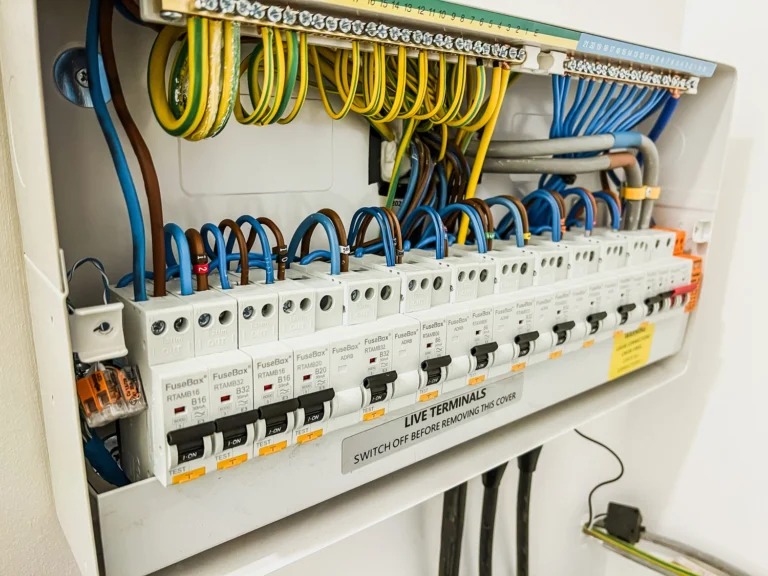
An old or unsuitable fuse box can leave your electrical system with less protection than a modern installation can provide. SafeHome London provides professional fuse box installation London services for homeowners, landlords, property managers and businesses that need a safer and more practical electrical setup. For customers searching for fuse box installation near me, we install and replace consumer units for flats, houses, HMOs and commercial properties across London. Each job starts with checks on the existing installation. This helps us choose the right board, protective devices and circuit capacity for the property. Modern consumer units can include RCBOs, RCD protection and surge protection. These devices help protect people, wiring and electrical equipment when faults occur. Our approach is simple: assess the installation, explain what is needed, complete the work carefully, test the circuits and provide the correct electrical documentation.
Is Your Fuse Box Still Safe for Your Property?
An old fuse box does not always need replacing, but signs such as frequent tripping, burning smells, heat, buzzing sounds, damaged covers, repeated electrical faults or limited RCD protection should not be ignored. Older fuse-wire boards may also offer less protection than a modern consumer unit. An EICR or electrical inspection can identify issues with the consumer unit, wiring, earthing, bonding and circuit protection. If a safety defect is found, it is important to understand the cause and complete the right repair or upgrade rather than delay essential work. SafeHome London can assess your existing fuse box and advise whether repair, improvement or full consumer unit replacement is the most suitable option.
Should You Repair, Upgrade or Replace Your Fuse Box?
Not every electrical issue means the whole consumer unit needs replacing. In some cases, a repair may be enough, while in others a full upgrade can provide a safer and more practical long-term solution.
When a Repair May Be Enough: A repair may be suitable if the consumer unit is still in good condition and the issue is limited to a faulty device, loose connection or individual circuit. The cause should always be identified before any part is replaced.
When Replacement May Be Better: A full consumer unit replacement may be recommended if the existing fuse box is damaged, lacks suitable protection, has limited capacity or cannot support new electrical demand. This may be relevant when adding an EV charger, extension, electric heating, solar equipment or new circuits.
After an EICR or Before Adding New Circuits: An EICR may identify defects that require remedial work or a consumer unit upgrade. Before adding new circuits, the electrician should also check available capacity, existing load, protective devices, earthing and the overall condition of the installation. Planning for future electrical needs can also help avoid another upgrade later.
Which Consumer Unit Is Right for Your Property?
The right consumer unit should be chosen based on the electrical needs of the property, not just price or brand. The electrician should consider the number of circuits, available ways, current electrical load, future demand and the condition of the existing installation. A suitable board should have enough capacity for lighting, sockets and fixed appliances, with sensible spare capacity where future upgrades may be needed. Different properties have different requirements. Houses and flats may need protection for standard domestic circuits, while HMOs and rental properties can have higher demand because of shared areas and multiple occupants. Shops, offices and commercial premises may also need dedicated circuits for lighting, IT systems, refrigeration, machinery or kitchen equipment.
Future electrical work should also be considered before selecting a new consumer unit. EV chargers, electric heating, air conditioning, solar PV, battery storage, garden offices and other high-load equipment can increase demand on the system. SafeHome London assesses the existing installation and future requirements before recommending the most suitable consumer unit for the property.
Our Fuse Box Installation Process
We keep the process clear from the first assessment through to testing and certification.
Assess the Existing Installation
We inspect the existing consumer unit, identify the circuits and review any recent EICR or electrical reports. We also consider the property type, number of circuits, required protection and likely future electrical demand.
Confirm the Right Consumer Unit
Based on the assessment, we recommend a suitable consumer unit and confirm the work required. Any known remedial work is included in the plan, while issues that can only be identified during testing are explained before the installation continues.
Isolate, Replace and Connect
The electrical supply is safely isolated before the existing fuse box is removed. The new consumer unit is then installed, the circuits are reconnected and suitable protective devices are fitted according to the electrical design.
Test, Verify and Certify
All relevant circuits are tested after installation. If a fault is found, it is investigated before the work is completed. Final safety checks are then carried out and an Electrical Installation Certificate is provided with the relevant inspection and test information.
What Is Included in a Consumer Unit Installation?
A consumer unit replacement involves more than simply changing the board. The existing electrical supply, circuits and protective arrangements should be checked before the new unit is connected.
Initial Assessment of the Existing Fuse Box: We check the existing board, number of circuits, supply type, visible defects and available space. This helps us confirm what type of replacement is suitable.
Circuit and Installation Checks: Existing circuits are identified and checked before they are connected to the new consumer unit. This can help reveal faults that may need attention before installation is completed.
Earthing and Bonding Checks: Earthing and main protective bonding are checked where required. These are important parts of the electrical safety system and must be suitable for the new installation.
Supply and Load Assessment: The electrician reviews the incoming supply, meter tails, main switch arrangement and expected electrical demand to make sure the new consumer unit is suitable for the property.
Removal of the Existing Fuse Board: Once the supply is safely isolated, the old fuse board is removed and the circuits are prepared for connection to the new unit.
Installation of the New Consumer Unit: The new consumer unit is installed with suitable protective devices, which may include RCBOs, MCBs, RCDs and surge protection depending on the design.
Electrical Testing and Verification: The new installation and connected circuits are tested to confirm that the protective measures and electrical connections are working correctly.
Circuit Labelling and Certification: Circuits are clearly labelled and the required electrical records are completed. These documents should be kept for future inspections, maintenance and electrical work.
Fuse Box Installation and UK Electrical Safety Requirements
Fuse box and consumer unit work should follow the electrical safety rules that apply at the time of installation. For London properties, this includes the relevant Building Regulations in England and the current requirements of BS 7671. A compliant installation is not just about fitting a new board; it also involves correct design, suitable protective devices, safe workmanship, inspection and testing. Replacing a consumer unit in a home is normally notifiable work under Part P of the Building Regulations. The installation should also include the correct protection for the circuits, which may involve RCDs, RCBOs, surge protection and suitable isolation depending on the system. Earthing and bonding should also be checked because a new consumer unit cannot correct faults elsewhere in the electrical installation. After the work is completed, the installation should be properly inspected and tested. This may include checks such as continuity, insulation resistance, polarity and the operation of protective devices. The results are recorded on the appropriate Electrical Installation Certificate, giving you a clear record that the work has been tested and completed correctly.
Why Us?
Our streamlined process makes it easy to keep your property safe, compliant, and fully certified from start to finish.
Book Your Appointment
Get in touch with our team to arrange a convenient date and time for your safety inspection. We work around your schedule to make the process hassle-free.
Fast & Reliable Service
We deliver fast, dependable property safety services with minimal disruption, helping you meet legal deadlines and compliance requirements without compromising on quality.
Experienced Team
Our certified experts deliver reliable property safety compliance services with precision and professionalism. From EICR inspections to fuse box installations, we ensure your property meets all legal and safety standards with confidence.
Asbestos Surveys for Different London Property Types
London contains a wide mix of property ages and construction types. Survey scope should always reflect the actual building rather than using a one-size-fits-all approach.
Houses, Flats and Maisonettes: Older homes may contain asbestos in ceilings, flooring, panels, insulation, service areas or external products. Testing can be especially useful before major renovation.
HMOs and Rental Properties: HMOs may involve regular maintenance, changing tenants and frequent contractor visits. Good asbestos information can help landlords plan work without exposing workers or occupants to unnecessary risk.
Residential Blocks and Communal Areas: The duty to manage can apply to common parts of multi-occupancy residential buildings. This can include shared: Corridors, Stairwells, Plant, areas, Risers, Service cupboards, Other communal spaces. HSE specifically includes common parts of multi-occupancy domestic premises within the duty-to-manage framework.
Offices and Commercial Premises: Commercial buildings may contain asbestos in partitions, ceilings, flooring, plant areas, service routes or fire protection materials. A management survey can support normal occupation, while refurbishment work may require a more intrusive survey.
Shops, Restaurants and Hospitality Properties: Retail and hospitality premises often change layout over time. Before stripping out kitchens, ceilings, walls, flooring or services in an older property, the correct asbestos survey can help identify hidden risks.
Schools, Healthcare and Other Managed Buildings: Public and managed buildings can contain many areas that are regularly used by staff, visitors and contractors. Asbestos information must therefore be clear, current and accessible to the people responsible for maintenance.
Older, Converted and Refurbished London Properties: London has many buildings that have changed use several times. A property may contain layers of work from different periods. This can make asbestos investigation more complex because newer finishes may cover much older construction materials.
Consumer Unit Replacement for Landlords and Rental Properties
Landlords and property managers need electrical systems that are safe, reliable and easy to manage. If an EICR identifies issues with the fuse box or consumer unit, the findings should be reviewed before deciding whether repair or full replacement is needed. Consumer unit upgrades can be completed between tenancies or while a property is occupied, although access and planned power isolation need to be managed carefully. HMOs may also have higher electrical demand because of shared areas, communal systems and multiple occupants, so the installation should be assessed properly before any upgrade. After the work is completed, landlords should keep the new Electrical Installation Certificate together with previous EICRs, remedial records and any relevant Building Regulations documents. This creates a clear electrical safety record for future maintenance and inspections.
Consumer Unit Installation for Commercial Properties
Commercial properties often have higher electrical loads and more complex systems than homes, so the consumer unit or distribution board must be designed around the needs of the business. Shops, offices and other premises may rely on circuits for lighting, sockets, IT equipment, refrigeration, heating, air conditioning, alarms or machinery. Where a three-phase supply is used, the installation must also consider load balance, suitable protective devices and safe isolation. Refurbishment work is often a good time to review the distribution system, especially if new equipment or additional circuits are being added. SafeHome London can plan installation work around business operations where practical to reduce disruption. After completion, the electrical work is inspected, tested and supported by the appropriate certification and records for future maintenance.
Why Choose SafeHome London for Consumer Unit Installation?
A consumer unit is a key part of your property’s electrical system, so replacing it should involve more than simply fitting a new board. SafeHome London looks at the wider installation first, including the existing circuits, protective devices and supply arrangement. This helps us make sure the new consumer unit is suitable for the property and works safely with the electrical system around it. Our service includes installation, inspection, testing and the relevant electrical documentation. If testing reveals an unexpected fault, we explain the issue clearly and advise what work may be needed before the installation can be completed properly. Where possible, we separate essential safety work from optional improvements so you can make an informed decision without unnecessary confusion. We work with homeowners, landlords, property managers and commercial clients, so the service can be planned around different types of properties and electrical needs. Whether the installation is for a house, flat, HMO, rental property, office or commercial premises, the consumer unit is selected according to the circuits, electrical demand and existing supply rather than using the same solution for every property. Clear documentation is also an important part of the service. After the work is completed, the relevant certification and records are provided so you have a clear electrical history for future inspections, maintenance and property management.
10+
Years of Experience
20,000+
Properties Certified
40+
Talented Engineers
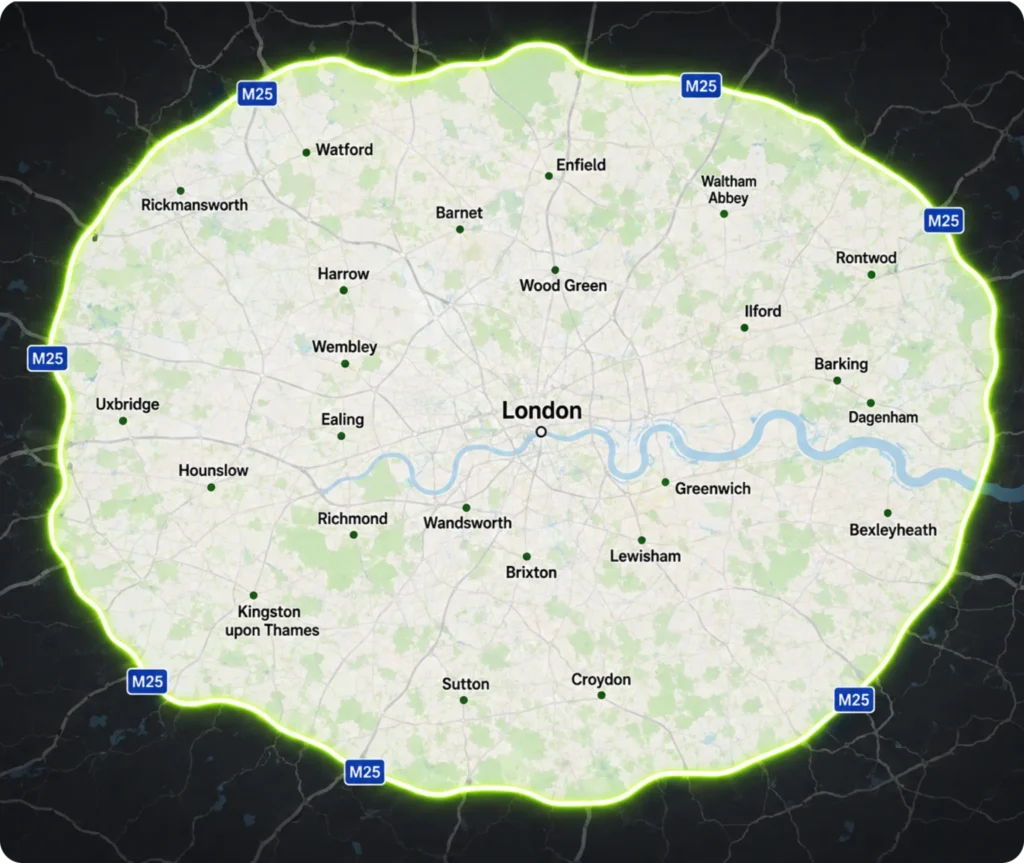
Areas We Cover
Central London
North West London
South West London
South East London
North London
West London
South London
East London
Frequently Asked Questions
How Do I Know If My Property Contains Asbestos?
You cannot confirm asbestos by appearance alone. If the property was built or refurbished before 2000, a survey and laboratory testing may be needed.
Do I Need an Asbestos Survey Before Refurbishment?
Yes, if planned work may disturb materials that could contain asbestos. A refurbishment survey is often needed before intrusive work starts.
Is an Asbestos Survey a Legal Requirement?
In some cases, yes. Dutyholders of non-domestic premises and certain communal areas must manage asbestos risks under the Control of Asbestos Regulations 2012.
What Is the Difference Between an Asbestos Survey and an Asbestos Test?
A survey checks a property or area for asbestos risks. A test analyses a specific material sample in a laboratory.
How Much Does an Asbestos Survey Cost in London?
The cost depends on the property size, survey type, access and number of samples required. SafeHome London can provide a quote based on your property.
How Long Does an Asbestos Survey Take?
It depends on the size and complexity of the property. Small inspections are quicker, while larger or intrusive surveys take longer.
How Quickly Will I Receive My Asbestos Report?
Turnaround depends on the survey scope and laboratory testing required. The expected timescale can be confirmed when you book.
What Happens If Asbestos Is Found?
The material may be monitored, repaired, encapsulated, managed in place or removed, depending on its condition and risk.
Does Asbestos Always Need to Be Removed?
No. Asbestos in good condition may sometimes remain safely in place if it is properly managed and unlikely to be disturbed.
How Often Should Asbestos Management Be Reviewed?
Asbestos information should be kept up to date. Management plans should normally be reviewed at least every 12 months or sooner if conditions change.
How Long Is an Asbestos Survey Valid?
Yes. We provide landlord EICR remedial works in London for flats, houses, HMOs and other rental properties. We can also coordinate access with tenants, letting agents or property managers.
Can I Arrange Asbestos Sampling Without a Full Survey?
Yes, Targeted sampling may be suitable where only one or a few suspected materials need testing.
Do I Need an Asbestos Management Plan?
If you are a dutyholder and asbestos is present or presumed, a management plan may be required to explain how the risk will be controlled.
Accreditations