HMO Fire Risk Assessment London
Safe Home London provides professional HMO fire risk assessments in London for landlords, letting agents, property managers and HMO operators. We inspect the property to identify fire hazards, assess the risk to occupants and review the fire safety measures already in place. You receive a clear written report with practical recommendations and prioritised actions. Our HMO assessments can cover shared houses, bedsit-style HMOs, student accommodation, converted properties and other shared residential buildings across London.
What Is an HMO Fire Risk Assessment?
An HMO fire risk assessment is a structured review of fire hazards and safety measures within a House in Multiple Occupation. An HMO will commonly contain three or more tenants from more than one household who share facilities such as a kitchen, bathroom or toilet.
For landlords, letting agents and property managers searching for an HMO fire risk assessment near me, a professional assessment can help identify fire hazards, review existing precautions and highlight any actions needed to improve safety and compliance. Large HMOs with five or more tenants may require mandatory licensing, while councils can also operate additional licensing schemes for smaller HMOs. The assessment looks at how a fire could start, who may be at risk, how occupants would escape and whether suitable fire precautions are in place. It can cover areas such as fire alarms, fire doors, escape routes, emergency lighting, compartmentation, fire safety signs and management arrangements.
Does an HMO Need a Fire Risk Assessment?
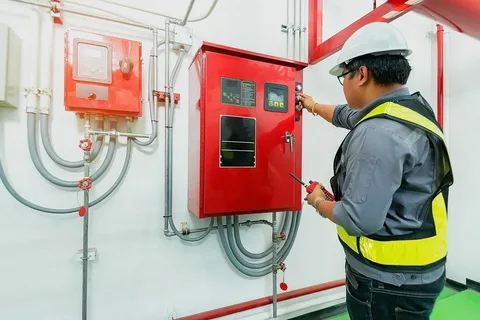
Fire safety duties apply to the shared areas of HMOs under the Regulatory Reform (Fire Safety) Order 2005. The person responsible for the premises must make sure a suitable fire risk assessment London is carried out, recorded and kept under review. HMOs can present different risks from a normal single-family home. Several unrelated people may live independently within the same property, bedrooms may be occupied while people are sleeping and residents may use shared kitchens, hallways and staircases. A suitable assessment helps the landlord understand whether the existing fire precautions are appropriate for the way the property is actually occupied.
Our Process
Our streamlined process makes it easy to keep your property safe, compliant, and fully certified from start to finish.
Property Details and Booking
Send us the property address, HMO type, number of floors, bedrooms and any known fire safety concerns. We confirm the assessment scope and arrange the appointment.
Fire Safety Inspection
Our assessor visits the property and reviews relevant areas, including fire hazards, escape routes, alarms, fire doors and existing safety measures.
Risk Review and Report
We assess the findings and prepare a clear written report showing any risks, existing controls and prioritised recommendations.
Support With Improvements
If further work is needed, we explain the findings and can support you with suitable fire safety inspections, maintenance or remedial works.
HMO Licensing and Fire Risk Assessment Requirements
Fire safety is an important part of HMO management and licensing. A large HMO generally requires a licence where five or more people from more than one household live in the property and share facilities. Councils can also introduce additional licensing schemes that cover other HMOs. Local authorities may require information about the fire safety arrangements as part of an HMO licence application or renewal. This can include details about alarms, escape routes and other fire precautions. Some London councils specifically require a documented fire risk assessment for the shared common parts of an HMO. Requirements can vary by property and council, so an assessment should consider the actual HMO rather than relying on a standard checklist.
What Do We Check During an HMO Fire Risk Assessment?
The assessment considers the building, its occupants and the fire precautions already provided.
Fire Detection and Alarm Systems: HMOs often require careful consideration of fire detection because occupants may be sleeping behind closed doors when a fire starts. We look at the existing smoke and heat detection, alarm coverage, condition of equipment and available maintenance information. The correct alarm arrangement depends on the property layout, occupancy and level of risk. A fire alarm system should therefore be based on the needs of the HMO rather than a one-size-fits-all approach.
Fire Doors and Protected Escape Routes: Fire doors help slow the spread of fire and smoke so occupants have more time to escape. The assessment may consider bedroom doors, communal doors, doors protecting stairways and doors to higher-risk areas. Visible concerns may include damaged doors, missing seals, poor gaps, defective self-closing devices or doors that do not close correctly. Escape routes such as hallways, landings and staircases should also remain clear and usable. London Fire Brigade advises landlords to keep shared corridors and stairs free from storage and to maintain fire-resisting and self-closing doors.
Emergency Lighting and Fire Safety Signs: Emergency lighting may be required where occupants could have difficulty finding their way out if the normal lighting fails. We consider the existing lighting and escape-route arrangements as part of the overall assessment. Fire safety signs may also be required depending on the size, layout and complexity of the property.
Fire Compartmentation: Fire-resisting walls, floors and doors help limit the spread of fire and smoke. The assessment looks for visible concerns such as damaged construction, poorly protected service openings or gaps around pipes and cables. Where hidden construction cannot be confirmed by a normal visual inspection, further investigation may be recommended.
Shared Kitchens and Ignition Risks: Shared kitchens can be an important source of fire risk in HMOs. The assessment may consider cooking equipment, electrical appliances, combustible materials and whether the area is being managed safely. Other possible ignition sources within the building are also considered.
Common Fire Safety Problems Found in HMOs
Many HMO fire safety problems develop over time rather than appearing when the property is first occupied. Common findings can include poorly closing fire doors, missing or damaged seals, inadequate alarm coverage, blocked escape routes, missing emergency lighting, poor fire stopping, combustible items stored in communal areas and missing maintenance records. Changes to the property can also create problems. New cables, pipes, alterations or refurbishment work may affect fire-resisting walls, ceilings or escape routes. Identifying these issues early gives the landlord a clear opportunity to deal with them before the risk becomes more serious.
What Do You Receive After an HMO Fire Risk Assessment?
After the assessment, you receive a fire safety risk assessment report explaining the main findings and any recommended actions. Your report can include: Fire hazards identified during the visit, People who may be at risk, Existing fire precautions, Areas requiring attention, Photographic evidence where relevant, Clear recommendations, Prioritised actions, Advice on future review. The aim is to give landlords and property managers a useful working document rather than a report filled with unexplained technical language.
What Happens If Fire Safety Issues Are Found?
Finding problems during an assessment does not mean the HMO has simply “failed”. The purpose of the assessment is to identify weaknesses and explain what should happen next. Some issues can be corrected through simple management changes, such as removing items from an escape route or improving record keeping. Other findings may require physical work, including: Fire door repairs or replacement, Fire alarm improvements, Additional smoke or heat detection, Emergency lighting work, Fire safety signage, Fire stopping, Compartmentation repairs, Electrical or other specialist investigation. Recommendations should be dealt with according to their level of risk and priority.
Fire Safety Support After Your HMO Assessment
A fire risk assessment may identify further work needed to improve the safety of the HMO. Safe Home London can support landlords with relevant fire safety services in London, including fire door inspection and remedial work, fire alarm testing and installation, emergency lighting, fire extinguishers and other fire safety improvements within our service scope. Using the assessment report as the starting point helps ensure work is based on actual findings rather than unnecessary upgrades.
Why Choose Safe Home London for an HMO Fire Risk Assessment?
Safe Home London provides practical HMO fire safety support for landlords, letting agents and property managers across London. We assess each property according to its real layout and occupancy rather than relying on a generic template. Our reports are designed to be clear and easy to follow, with practical recommendations and prioritised actions. We also understand that landlords may need the assessment for HMO management, licensing, insurance, property records or to deal with a specific compliance concern. Where further fire safety work is identified, we can explain the next steps and support you with relevant remedial services.
10+
Years of Experience
20,000+
Properties Certified
40+
Talented Engineers
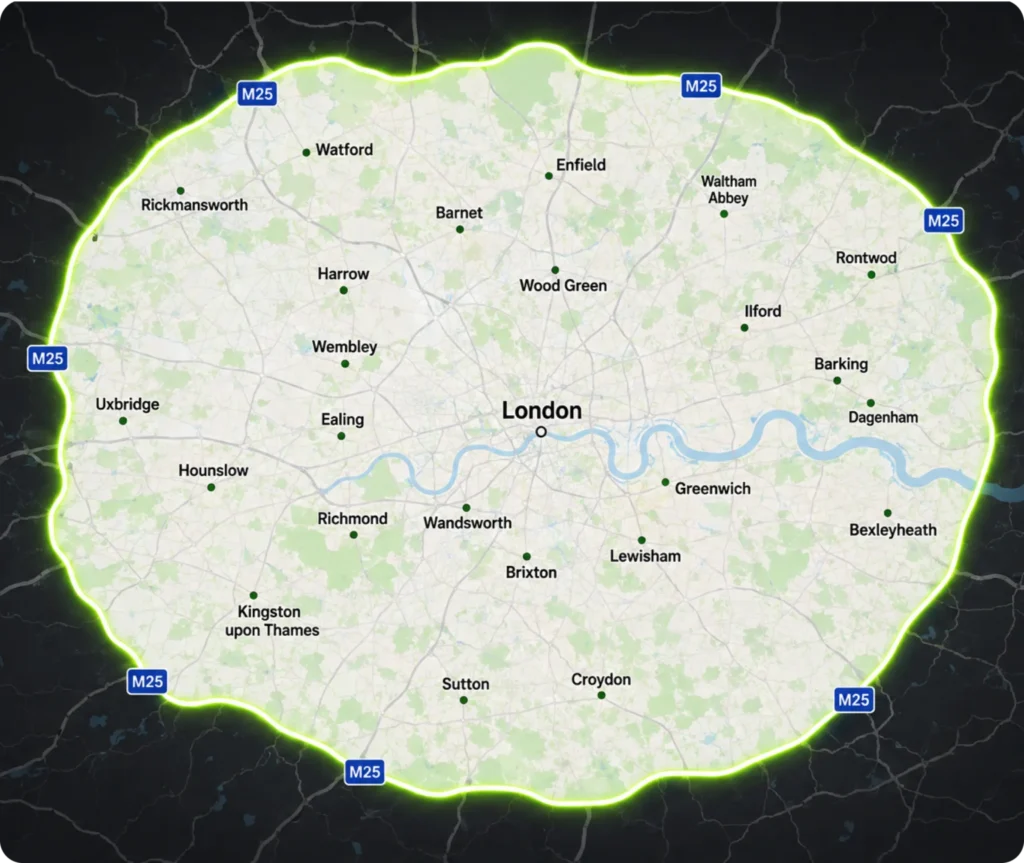
Areas We Cover
Central London
North West London
South West London
South East London
North London
West London
South London
East London
Frequently Asked Questions
Is a fire risk assessment required for an HMO?
Shared areas of HMOs can fall under the Regulatory Reform (Fire Safety) Order 2005. The Responsible Person must make sure relevant fire risks are properly assessed and suitable fire precautions are maintained.
Who is responsible for an HMO fire risk assessment?
Responsibility will normally sit with the person who controls the relevant parts of the property. This may be the landlord, owner, HMO operator or managing organisation.
Does every HMO need a licence?
No. Mandatory licensing generally applies to HMOs occupied by five or more people from more than one household who share facilities. However, councils can operate additional licensing schemes covering other HMOs, so landlords should check the rules for their borough.
What does an HMO fire risk assessment check?
The assessment can consider fire hazards, people at risk, fire detection, escape routes, fire doors, emergency lighting, compartmentation, signs and fire safety management.
Do HMO bedrooms need fire doors?
The correct door requirements depend on the layout, type and fire strategy of the HMO. Fire-resisting doors are often important for protecting escape routes, but the required specification should be based on the property and applicable fire safety standards rather than assumed from one rule.
Does an HMO need a fire alarm?
Suitable fire detection and warning arrangements are an important part of HMO fire safety. The type and coverage required depend on factors such as the property layout, number of floors, occupancy and risk. London Fire Brigade notes that property managers need to consider fire alarms together with escape routes and fire doors.
Does an HMO need emergency lighting?
Some HMOs may require emergency lighting, particularly where people could have difficulty finding the escape route if normal lighting fails. The need and extent should be assessed for the individual property.
Can I use the fire risk assessment for an HMO licence?
Local authorities may ask for fire safety information or a fire risk assessment as part of an HMO licensing process. Requirements vary by council, so you should check the conditions for the relevant London borough.
How much is an HMO fire risk assessment in London?
The price depends on the size, number of floors, number of rooms, layout and complexity of the HMO. Send us the property details and we can confirm the assessment scope and quotation.
Is a fire risk assessment certificate the same as the report?
No. The detailed fire risk assessment report is the important document because it records the findings and recommended actions. A certificate or confirmation of attendance should not be treated as a replacement for the full assessment.
Accreditations