Fire Risk Assessment London
A fire risk assessment helps you understand the fire risks in your property, what safety measures are already working and what needs to be improved. Safe Home London provides professional fire risk assessments across London for landlords, freeholders, managing agents, businesses and people responsible for building safety. Our assessments focus on real risks, not just paperwork. We inspect the property, review the fire precautions in place and provide a clear written report with practical actions. We can assess a wide range of properties, including: Blocks of flats and communal areas, HMOs and shared accommodation, Offices and workplaces, Shops and retail premises, Restaurants, cafés and hospitality venues, Warehouses and industrial buildings, Schools and educational premises, Mixed-use properties. You receive clear information about the issues found, their level of importance and the next steps needed to improve fire safety.
Who Needs a Fire Risk Assessment?
A fire risk assessment is required for many workplaces, commercial premises, HMOs and residential buildings with shared areas. The person responsible is usually the Responsible Person, which may be the employer, landlord, building owner, occupier, managing agent or another person who controls the premises. For landlords, business owners and property managers searching for a fire risk assessment near me, a professional assessment can help identify fire hazards, review existing precautions and highlight any actions needed to improve safety. Landlords and freeholders may need an assessment for communal areas in blocks of flats, HMOs and mixed-use buildings, while businesses must consider the safety of staff, customers, visitors and contractors. Managing agents and block managers often arrange assessments on behalf of building owners and help maintain fire safety records, organise access and manage any recommended actions. The Responsible Person must make sure the assessment is suitable, kept up to date and reviewed when necessary.
Fire Risk Assessments for Different Property Types
The core principles of a fire risk assessment stay the same, but the risks and safety measures can vary depending on how a building is used, who occupies it and how people would escape in an emergency.
Flats, Apartments, HMOs and Residential Buildings: Residential properties require close attention to common escape routes, flat entrance doors, fire compartmentation, smoke control where provided, fire detection, shared kitchens, communal areas and overall building management. In HMO fire risk assessment and shared accommodation, the assessment should also consider sleeping risk, occupancy levels, fire doors, escape arrangements and any relevant licensing conditions.
Offices, Shops and Commercial Premises: Offices, workplaces and retail premises can present risks linked to electrical equipment, kitchens, stock storage, displays, meeting rooms, staff areas, customer areas and back-of-house spaces. The assessment should also consider the number of staff and visitors, final exits, escape routes, emergency procedures and whether people who are unfamiliar with the building can leave safely.
Restaurants, Cafés, Hotels and Hospitality Premises: Hospitality properties can have additional risks from cooking equipment, extraction systems, gas appliances, oils, fats, alcohol storage and high numbers of customers or guests. Hotels and hostels also need suitable arrangements for people who may be sleeping or unfamiliar with the building, including clear warning systems, protected escape routes, suitable fire doors and effective evacuation procedures.
Warehouses, Factories and Industrial Premises: Warehouses and industrial buildings may contain machinery, charging equipment, large amounts of stock, packaging, hazardous materials and hot-work activities. The assessment should consider storage arrangements, ignition sources, long travel distances, escape routes and whether existing fire precautions are suitable for the type and scale of operations.
Schools, Healthcare, Leisure and Mixed-Use Buildings: Schools, colleges, care homes, healthcare premises, gyms, leisure centres and entertainment venues can have large or changing numbers of occupants, including people who may need help to evacuate. Mixed-use and multi-occupied buildings may also require coordination between landlords, businesses, managing agents and other Responsible Persons. The assessment should therefore consider occupancy, supervision, mobility, evacuation strategy, compartmentation, fire detection, shared escape routes and management responsibilities.
Our Process
Our streamlined process makes it easy to keep your property safe, compliant, and fully certified from start to finish.
Property Details and Booking
Send us details about the property, including its use, size, number of floors and any known concerns. Once the scope is confirmed, we arrange a suitable appointment.
Fire Safety Inspection
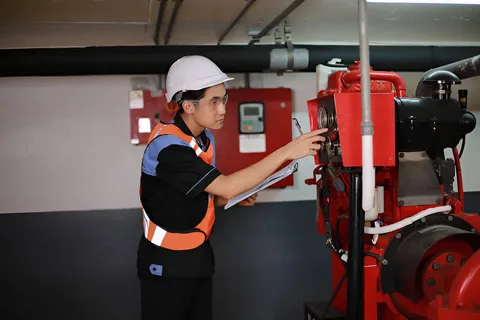
Our assessor inspects the relevant areas, checking fire hazards, escape routes, existing fire precautions and management arrangements.
Risk Review and Report
We review the findings to identify risks, assess existing controls and confirm any further action required. You then receive a clear report with prioritised recommendations.
Support With Improvements
If further work is needed, we explain the recommendations and can support you with suitable inspections, maintenance or fire safety remedial works.
Fire Risk Assessment for Landlords and Rental Properties
Landlords often search for a “landlord fire risk assessment”, but the correct scope depends on the property. The first question is not simply whether the property is rented. It is which parts of the building are covered by fire safety law and who controls them.
Fire Risk Assessments for Rented Residential Buildings: Where a building contains shared areas, the common parts may fall within the Fire Safety Order. The assessment can help the person responsible understand: Existing precautions, Risks to residents, Required actions, Areas needing maintenance, Future review needs
Fire Risk Assessments for Flats and Apartments: A self-contained flat is different from the common parts of a block. In many cases, the main Fire Safety Order assessment focuses on the relevant common parts and other parts of the building that fall within its scope rather than treating each private dwelling as an ordinary workplace.
Fire Risk Assessments for Communal Areas: Communal assessments can cover: Shared halls, Corridors, Staircases, Landings, Service areas, Common doors, Escape routes. The scope should be agreed before the visit.
Fire Risk Assessments for HMOs: HMOs may require a wider understanding of how people live within the building. The assessment may consider the relationship between: Individual rooms, Shared areas, Kitchens, Staircases, Detection, Fire doors, Escape arrangements
Supporting Managing Agents, Freeholders and Block Managers: We aim to make the assessment useful for the people who must manage the building afterwards. That means giving clear findings rather than leaving the client with a report full of unexplained technical terms.
Why Choose Safe Home London for Your Fire Risk Assessment?
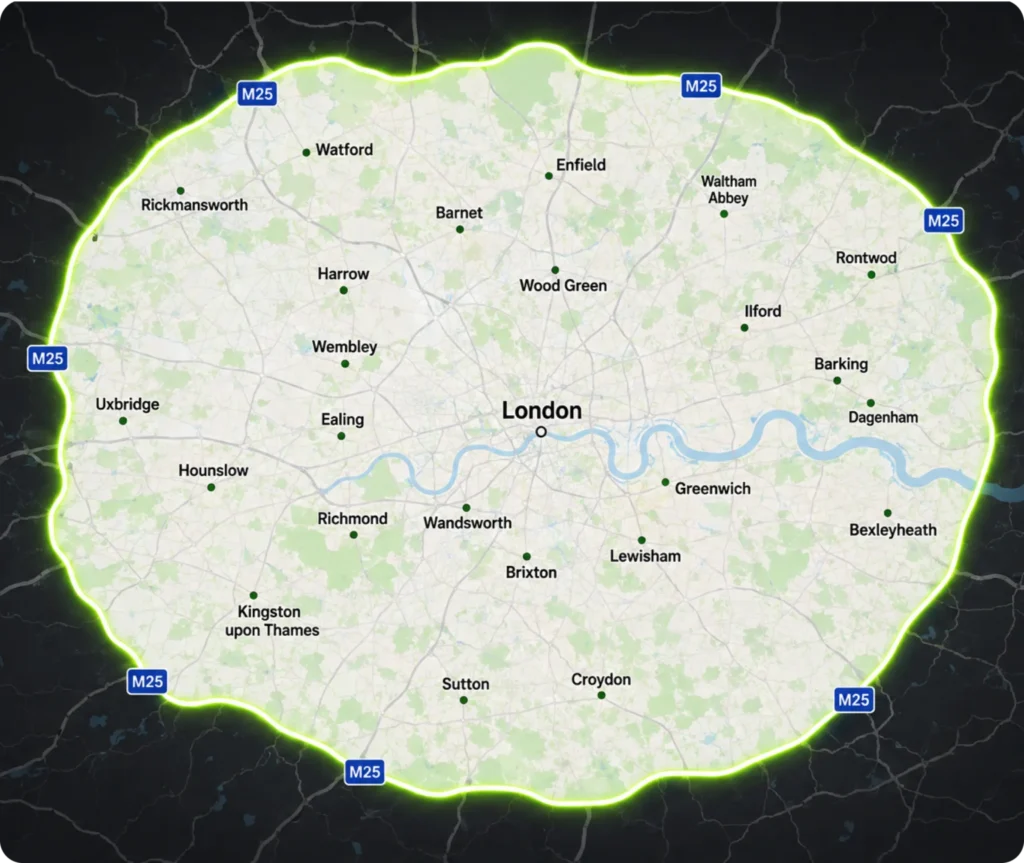
Safe Home London provides clear, practical fire risk assessments for residential and commercial properties across London. Whether you require a commercial fire risk assessment for an office, shop, restaurant or other business premises, or a residential fire risk assessment for a block of flats, HMO or shared residential building, our experienced assessors consider the type, size and use of each property so the assessment reflects the actual fire risks present. We provide easy-to-understand reports, clear priorities and practical recommendations without unnecessary technical jargon. The assessment scope and pricing are confirmed in advance, and where further work is required, we can also support you with suitable fire safety remedial services. Our aim is to help landlords, freeholders, managing agents and businesses understand their fire safety responsibilities and take the right next steps with confidence.
10+
Years of Experience
20,000+
Properties Certified
40+
Talented Engineers
Areas We Cover
Central London
North West London
South West London
South East London
North London
West London
South London
East London
Frequently Asked Questions
What is a fire risk assessment?
A fire risk assessment is a structured review of a building’s fire hazards and fire safety measures. It identifies what could cause a fire, who may be at risk, how people would escape and what improvements may be needed.
Is a fire risk assessment a legal requirement?
Yes, where premises fall within the Regulatory Reform (Fire Safety) Order 2005. The Responsible Person must carry out and regularly review a suitable fire risk assessment.
Who is responsible for arranging a fire risk assessment?
The duty normally sits with the Responsible Person. Depending on the property, this may be an employer, owner, landlord, occupier or person with control of the premises. Some buildings have more than one Responsible Person.
Do landlords need a fire risk assessment?
Many landlords have fire risk assessment duties, particularly where they control common parts of multi-occupied residential buildings or HMOs. The exact requirement depends on the property and the areas under the landlord’s control.
Do individual flats need a fire risk assessment?
The Fire Safety Order does not generally apply inside an individual domestic flat in the same way that it applies to common parts. However, some types of residential assessment may involve access to sample flats, and other housing safety duties can also apply.
Does a block of flats need a fire risk assessment?
Relevant parts of multi-occupied residential buildings are covered by fire safety duties. This commonly includes communal areas, while the Fire Safety Act also clarified the application of the Fire Safety Order to the structure, external walls and relevant flat entrance doors.
Do HMOs need a fire risk assessment?
Fire risk assessment duties can apply to relevant parts of HMOs. HMOs may also be subject to housing legislation and local licensing requirements, so the full compliance position should be considered for the specific property.
How quickly will I receive my fire risk assessment report?
Report turnaround can depend on the size and complexity of the assessment. We will confirm the expected reporting timeframe when arranging your booking, particularly where you are working to a compliance, licensing or property-management deadline.
Accreditations