Legionella Risk Assessment London
A Legionella risk assessment in London helps you understand whether your property’s water system could create conditions where Legionella bacteria may grow and expose people to risk. Safe Home London provides clear and practical Legionella risk assessments for landlords, letting agents, property managers, homeowners and businesses across London. We inspect the water system, identify possible hazards, review the controls already in place and explain any action that may be needed. The aim is not to create unnecessary work. It is to help you manage the real level of risk within your property. Our assessments focus on practical water safety and recognised UK guidance, including HSE guidance, ACOP L8, HSG274 and the principles of BS 8580-1:2019.
Fire Safety
Details →
Gas Safety
Details →
EPC
Details →
FRA
Details →
Asbestos Survey
Details →
Legionella Risk Assessment
Details →
What Is a Legionella Risk Assessment?
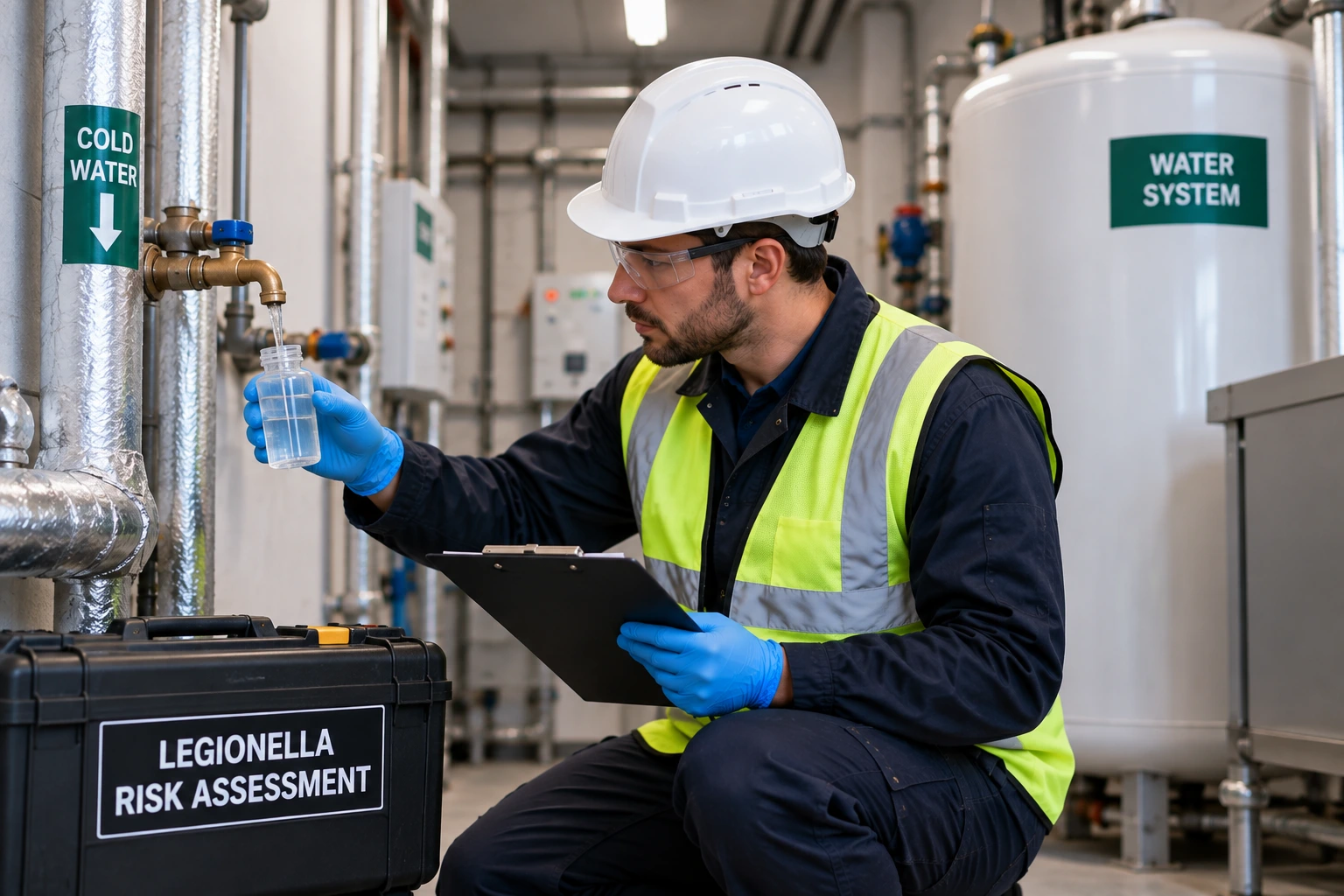
A Legionella risk assessment checks a property’s water system for conditions that may allow Legionella bacteria to grow or spread. It looks at water storage, temperatures, pipework, outlets and how the system is used. Risk can increase where water becomes stagnant, temperatures support bacterial growth, outlets are rarely used, or scale, sludge and biofilm build up within the system. People can be exposed by breathing in small droplets of contaminated water, such as mist from showers or spray outlets. The level of risk can also vary depending on the type of property and the people using it. A simple domestic water system may only need basic controls where the risk is low. Larger or more complex systems may require further monitoring, maintenance or specialist action.
Who Needs a Legionella Risk Assessment in London?
A Legionella risk assessment may be needed for many types of residential and commercial properties. The level of assessment depends on the building, the water system and how the property is used.
Landlords, HMOs and Residential Properties: Landlords, HMOs, flats and apartment buildings should consider Legionella risks within hot and cold water systems. Larger shared properties may need closer review where there are several bathrooms, shared kitchens, stored water or rarely used outlets.
Agents, Property Managers and Commercial Premises: Letting agents, property managers, offices, retail units, hotels and mixed-use buildings may need assessments as part of wider property safety management. The assessment should reflect the actual water system, including showers, tanks, heaters and other outlets.
Vacant and Complex Water Systems: Empty properties, seasonal buildings and properties with low water use may face higher stagnation risk. Buildings with storage tanks, calorifiers, long pipe runs, recirculating systems or many outlets may also require a more detailed assessment.
Our Process
Our streamlined process makes it easy to keep your property safe, compliant, and fully certified from start to finish.
Property Details & Booking
Share the property postcode, type, number of floors, number of alarms, panel details if known and any access restrictions. This helps us confirm the correct inspection scope and arrange a suitable appointment.
System Inspection
Our engineer attends the property and checks the fire alarm system and devices included within the agreed scope. A visual inspection is completed before functional testing begins.
Fire Alarm Testing
Relevant alarm devices and system components are tested to check their operation. Any faults or issues found are recorded clearly for further action where required.
Certificate & Next Steps
After the inspection, the test results are recorded and the digital documentation is prepared. If any faults require corrective work, we will explain the next steps clearly before certification is completed.
Landlord Legionella Risk Assessments in London
Safe Home London provides practical Legionella risk assessments for landlords across London, helping identify water-system risks and suitable control measures.
Legionella Responsibilities for Rental Properties: Landlords should assess and manage foreseeable Legionella risks in rental properties. This does not mean every property needs complex testing or extensive control measures.
Proportionate Risk Assessments for Domestic Water Systems: Many houses and flats have simple water systems with good water turnover. If the risk is low and suitable controls are in place, further action may be limited.
Legionella Risk in HMOs and Shared Accommodation: HMOs may need closer assessment due to higher occupancy, shared facilities, multiple outlets and possible stored water.
Managing Risks Between Tenancies and During Void Periods: Empty properties can develop stagnant water. Suitable flushing and basic system checks may be needed before the property is occupied again.
Tenant Information and Ongoing Water-Hygiene Controls: Landlords should give tenants simple advice, such as reporting water-heating problems, keeping outlets in regular use and reporting plumbing defects.
Responsibilities When a Letting or Managing Agent Is Involved: Landlords and agents should clearly agree who is responsible for Legionella management, maintenance and any required follow-up action.
Keeping Evidence of the Assessment and Actions Taken: Keeping a clear record of the assessment and any completed actions can help show that Legionella risks have been properly considered and managed.
Legionella Risk Assessment vs Legionella Testing
A Legionella risk assessment and Legionella water testing are different services. An assessment reviews the whole water system, while testing checks selected water samples for Legionella bacteria.
| Legionella Risk Assessment | Legionella Water Testing |
|---|---|
| Reviews the full water system | Tests selected water samples |
| Identifies risk factors and controls | Provides laboratory results |
| Helps decide whether testing is needed | Does not replace a full assessment |
Why Choose Us?
Our streamlined process makes it easy to keep your property safe, compliant, and fully certified from start to finish.
Flexible Appointments
We offer convenient EICR booking slots across London and work around your schedule to make the inspection process as smooth and hassle-free as possible.
Thorough Electrical Testing
Our electricians carry out detailed checks of the fixed electrical installation, including circuits, wiring, consumer units, sockets, earthing and protective devices.
Clear EICR Certification
After the inspection, you receive a clear EICR report showing whether the installation is satisfactory or unsatisfactory, together with details of any electrical issues identified.
Legionella Water Testing and Sampling
Legionella testing may be recommended when a risk assessment identifies concerns or further investigation is needed.
When Water Sampling May Be Needed: Samples may be taken where there is a higher risk, poor control, a suspected issue or a specific reason for laboratory testing.
Laboratory Testing and Results: Water samples are sent for laboratory analysis to check for Legionella bacteria. Results should always be considered alongside the condition and management of the wider water system.
What Happens If Legionella Is Found? A positive result should be reviewed by a competent person. The next steps will depend on the level detected, the type of system, who may be exposed and the controls already in place.
Using Testing with the Risk Assessment: Testing should support the wider risk assessment, not replace it. Looking at both together helps identify the cause of the problem and the most suitable action.
Why Choose Safe Home London for Legionella Risk Assessment?
A good Legionella risk assessment should give you clear answers and practical next steps, not just another report to file away. Safe Home London provides assessments based on recognised UK water-safety guidance and the actual condition of the property. We work with residential and commercial buildings across London, including rental properties, managed blocks and business premises. Our reports are clear and easy to understand, with practical recommendations based on the level of risk found. A simple domestic system will not be treated in the same way as a large or complex commercial water system. We also support landlords, letting agents and property managers who need straightforward communication, reliable records and practical scheduling. Where you have wider property compliance needs, Safe Home London can help coordinate related safety services through one point of contact, making the process easier to manage.
10+
Years of Experience
20,000+
Properties Certified
40+
Talented Engineers
Areas We Cover
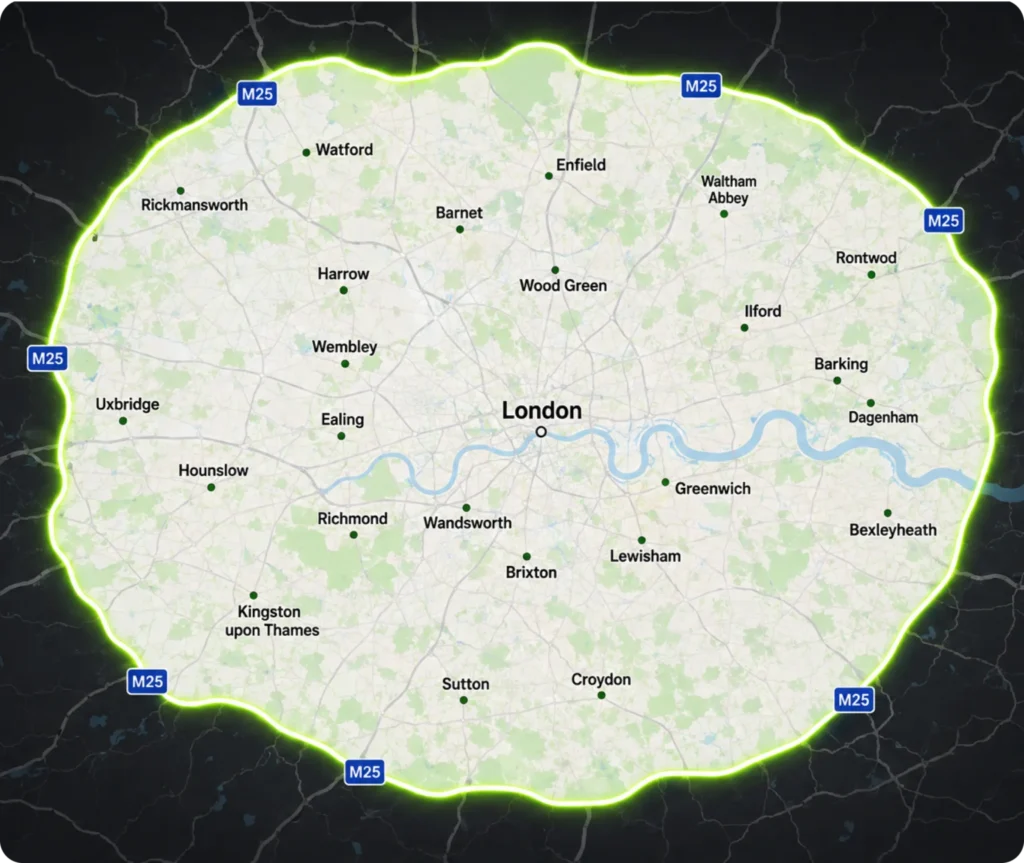
Central London
North West London
South West London
South East London
North London
West London
South London
East London
Frequently Asked Questions
Do Landlords Need a Legionella Certificate?
There is no general legal requirement for landlords to obtain a Legionella test certificate. HSE specifically states that health and safety law does not require landlords to obtain or produce one. A written risk assessment report can still be useful evidence that the risk has been considered and managed.
How Often Should a Legionella Risk Assessment Be Reviewed?
There is no fixed legal requirement for landlords to renew the assessment every year or every two years. It should be reviewed periodically and when something changes that could affect the risk.
Is Legionella Testing Required for a Domestic Rental Property?
Usually not, HSE says routine Legionella sampling is not normally required for domestic hot and cold water systems.
Who Can Carry Out a Legionella Risk Assessment?
A person who has suitable competence can carry out an assessment. HSE describes competence in terms of the training, knowledge, experience and other qualities needed to complete the task properly. Where the system is complex or the person responsible is unsure, professional assistance is sensible.
What Happens If a Legionella Risk Is Found?
The report should explain what has been identified and what action is recommended. This may include maintenance, flushing, temperature control, removal of redundant pipework or further investigation.
Can Tenants Stay in the Property During the Assessment?
In most normal assessments, occupants can remain in the property. The assessor mainly needs safe access to relevant water outlets, equipment and parts of the water system.
Do Commercial Properties Need a Legionella Risk Assessment?
Employers and people in control of premises must assess and manage foreseeable Legionella risks. The type and depth of assessment will depend on the water system and how the premises are used.
Do I Need a New Assessment When a Tenant Changes?
A change of tenant does not automatically mean a completely new assessment is required. However, the landlord should make sure the existing assessment remains valid and that the water system has been properly managed during any period of vacancy.
Accrediations