
Gas Safety Certificate London
Arrange a professional Gas Safety Certificate in London with qualified Gas Safe registered engineers. We provide gas safety inspections and Landlord Gas Safety Records, commonly known as CP12 certificates, for landlords, letting agents, property managers and homeowners across London. Our engineers check the safety of relevant gas appliances and flues, identify potential gas safety concerns and provide clear documentation following the inspection. Whether your existing certificate is approaching renewal, a new tenant is moving in or you manage multiple rental properties, we make the process straightforward from booking through to certification. Gas Safe registered engineers, Landlord Gas Safety Records (CP12), London-wide appointments, Digital certification, Landlords, agents and property managers, Residential gas safety inspections, Fast appointment availability
Fire Safety
Details →
Gas Safety
Details →
EPC
Details →
FRA
Details →
Asbestos Survey
Details →
Legionella Risk Assessment
Details →
Landlord Gas Safety Certificate Requirements
Landlords must arrange a gas safety check at least every 12 months for relevant gas appliances and flues supplied to tenants. The inspection must be completed by a Gas Safe registered engineer. A copy of the current Gas Safety Record should be provided to existing tenants after the inspection and to new tenants before they move in. Landlords should also keep previous records, repair documents and access correspondence for their compliance files. Renewal can often be arranged during the two months before the existing deadline while keeping the original renewal date, where the relevant requirements are met. If a tenant refuses access, landlords should keep clear evidence of reasonable attempts to arrange the inspection, such as emails, letters, texts and appointment records.
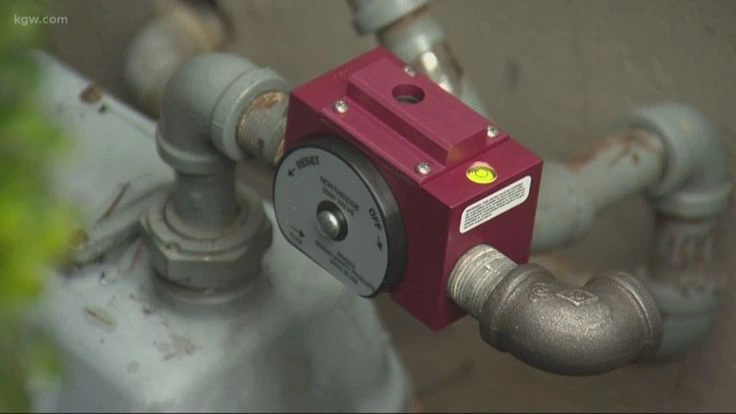
How to Get a Gas Safety Certificate in London
Landlords must arrange a gas safety check at least every 12 months for relevant gas appliances and flues supplied to tenants. The inspection must be completed by a Gas Safe registered engineer. A copy of the current Gas Safety Record should be provided to existing tenants after the inspection and to new tenants before they move in. Landlords should also keep previous records, repair documents and access correspondence for their compliance files. Renewal can often be arranged during the two months before the existing deadline while keeping the original renewal date, where the relevant requirements are met. If a tenant refuses access, landlords should keep clear evidence of reasonable attempts to arrange the inspection, such as emails, letters, texts and appointment records.
Our Process
Our streamlined process makes it easy to keep your property safe, compliant, and fully certified from start to finish.
Book Your Inspection
Send us the property address, postcode, number of gas appliances, preferred appointment date, contact details and any access instructions. This helps us confirm the scope and arrange a suitable appointment for the property.
Arrange Property Access
Access can be provided by the landlord, tenant, letting agent, property manager, concierge or an authorised key holder. Please let us know about any special access requirements in advance so the visit can be completed smoothly.
Gas Safety Inspection
A qualified Gas Safe registered engineer attends the property and checks the relevant gas appliances, flues and associated installation. The results are recorded, and any safety issues identified during the inspection are clearly explained.
Receive Your Gas Safety Record
Once the inspection is complete, your digital Gas Safety Record is normally issued following the applicable payment process. The record can then be stored, shared with tenants or agents, and added to your property compliance file.
What Happens If Your Gas Safety Inspection Finds a Problem?
A gas safety inspection is intended to identify unsafe conditions, not simply produce a pass document. If a problem is discovered, the appropriate response depends on the nature and seriousness of the defect.
Unsafe Gas Appliances: The engineer will explain any unsafe condition discovered and advise what action is necessary. Do not continue using an appliance where a Gas Safe engineer has advised that it is unsafe.
Immediately Dangerous (ID) Findings: An Immediately Dangerous (ID) classification relates to an appliance or installation considered an immediate danger to life or property if it remains connected or is operated. Appropriate action will be taken in accordance with gas safety procedures, and the installation or appliance must not simply continue being used as normal.
At Risk (AR) Findings: An At Risk (AR) classification indicates that recognised faults are present that could create a danger. The engineer will explain the issue and the action needed to make the situation safe.
Gas Safety Remedial Work: Where repairs are required, we can assess the necessary work and provide a quotation where the work falls within our service scope. Typical issues may relate to: Appliance faults, Gas connections, Pipework, Ventilation, Flue arrangements, Safety controls No remedial work should be represented as completed until it has actually been carried out and checked.
Rechecking After Repairs: The Gas Safety Record should document the inspection findings even when defects are identified. Records of subsequent repairs and follow-up action should then be retained alongside the original inspection record to provide a clear compliance history.
Gas Safety Certificates for Different London Property Types
London contains a wide variety of housing stock, and access to appliances, meters and flues can vary substantially between buildings.
Flats and Apartments: Gas meters may be located: Inside the flat, In communal cupboards, In basement meter rooms, Externally, In riser cupboards. Providing access to all required areas can help avoid unnecessary return visits.
Houses and Rental Homes: Houses can contain several separate gas appliances, such as a boiler, hob and gas fire. Make sure all appliances are declared when booking.
HMOs and Shared Accommodation: HMOs may have shared facilities, multiple storeys and additional access considerations. The responsible person should ensure the engineer can reach the equipment included within the inspection.
Victorian and Edwardian Conversions: Older converted London properties can contain altered gas pipe routes, older flue arrangements and appliances installed at different stages of the building’s history. These properties benefit from engineers who understand the practical challenges associated with older London housing.
Purpose-Built Blocks: Purpose-built flats may involve communal meter locations and property-management access arrangements. Give us concierge or management-company information before the visit where necessary.
New-Build Apartments: Modern apartments often use room-sealed boilers and comparatively compact gas installations, but the same principle applies: the equipment must still be properly inspected where a landlord’s annual gas safety duties apply.
Multi-Property Portfolios: If you own or manage several properties, inspections can be coordinated into an organised compliance programme instead of booking each address independently throughout the year.
Gas Safety Support for Landlords and Agents
Managing gas safety across several properties can involve bookings, tenant access, records and renewal dates. Our service helps landlords, letting agents and property managers keep the process organised and straightforward. For multiple properties, you can send us the addresses and appliance details so appointments can be planned efficiently. Where agreed, we can coordinate access directly with tenants, letting agents, concierge teams, building managers, lock boxes or authorised key holders. Digital Gas Safety Records make it easier to store certificates for individual properties and share them with landlords, tenants or agents when required. Keeping renewal dates organised also helps reduce the risk of annual gas safety checks becoming overdue.
How to Prepare for Your Gas Safety Inspection
A few simple preparations can help the inspection run smoothly and reduce the risk of an unsuccessful visit. Make sure all relevant gas appliances, including boilers, hobs, gas fires and water heaters, are easy to access. The engineer may also need access to the gas meter, flues and ventilation areas, so any locked communal spaces or restricted areas should be arranged in advance. Ventilation openings should not be blocked. Before the appointment, confirm whether access will be provided by the tenant, landlord, letting agent, concierge or another authorised person. If the engineer cannot enter the property or reach the required areas, the inspection may not be completed. Where available, previous Gas Safety Records can also be kept ready. They are not a substitute for the new inspection, but they can help maintain a clear compliance history for the property.
How Long Does a Gas Safety Inspection Take?
A typical residential gas safety inspection may take around 30–60 minutes, although the exact time can vary depending on the property and installation. The inspection may take longer where there are several gas appliances, limited access, complex flue arrangements, older installations or safety concerns that require further investigation. A smaller flat with one or two easily accessible appliances may be completed more quickly than a larger property with multiple appliances across several floors.
Why Choose Us for a Gas Safety Certificate in London?
We provide reliable Gas Safety Certificates across London for landlords, letting agents and property managers. Inspections are carried out by appropriately qualified Gas Safe registered engineers, with clear pricing and practical appointment options. Following the inspection, Gas Safety Records are issued digitally, making them easy to store and share with tenants or agents. Our team can also help coordinate property access and advise on any remedial work identified during the inspection. With experience across wider landlord compliance services, we understand how gas safety fits alongside electrical, fire and other property certification requirements.
10+
Years of Experience
20,000+
Properties Certified
40+
Talented Engineers

Areas We Cover
Central London
North West London
South West London
South East London
North London
West London
South London
East London
Frequently Asked Questions
Is a Gas Safety Certificate a Legal Requirement for Landlords?
Landlords responsible for relevant rented accommodation containing landlord-provided gas appliances and flues have legal gas safety duties under the Gas Safety (Installation and Use) Regulations 1998, including annual safety checks.
Who Can Carry Out a Gas Safety Check?
The relevant gas safety work must be completed by a suitably qualified engineer registered with the Gas Safe Register.
How Often Does a Landlord Need a Gas Safety Certificate?
The required landlord gas safety check is carried out at least every 12 months, subject to the applicable regulations.
How Much Does a Gas Safety Certificate Cost in London?
Our domestic Gas Safety Certificate service starts from approximately £75, depending primarily on the number of gas appliances requiring inspection. Ask for a quote if your property contains several appliances.
How Long Does a Gas Safety Check Take?
Many residential inspections take around 30–60 minutes. More complex installations or properties containing several appliances can take longer.
What Gas Appliances Need to Be Checked?
Landlord-provided gas appliances that fall within the landlord’s legal responsibilities can include boilers, gas hobs, cookers, gas fires and other relevant appliances. Associated flues are also covered by landlord gas safety duties where applicable.
What Happens If an Appliance Is Unsafe?
The engineer will explain the safety issue and take or recommend the appropriate action in accordance with gas safety procedures. An appliance identified as unsafe should not simply continue being used.
Can I Renew My Gas Safety Certificate Early?
Yes. Landlords can use the permitted early-renewal arrangement in which a qualifying check is carried out during the two months before the existing deadline while retaining the original deadline date.
Do Homeowners Need a Gas Safety Certificate?
An owner-occupier is not generally subject to the annual landlord Gas Safety Record requirement simply because their home contains gas appliances. However, gas appliances should still be safely installed and maintained by appropriately qualified professionals.
Can a Gas Safety Certificate Be Issued Without the Landlord Present?
The landlord does not necessarily need to be physically present. Suitable access can often be provided by the tenant, managing agent, concierge or another authorised person.
Accrediations