Fire Safety Certificate London – Fire Alarm Testing & Certification
Need a Fire Safety Certificate in London for a rented home, HMO, block of flats or commercial property? SafeHome London provides professional fire alarm inspection and testing across London, checking relevant alarm devices and system components, recording the results and providing clear digital documentation after the inspection. We work with landlords, homeowners, letting agents, property managers and businesses across London.
Professional Fire Alarm Testing and Certification in London
Fire alarms are designed to give early warning in the event of a fire, so they need to remain in good working condition. Over time, batteries can fail, detectors can become damaged, interlinked alarms may stop communicating and fire alarm panels can develop faults. SafeHome London provides professional fire alarm inspection, testing and certification across London. For landlords, businesses and property managers searching for a fire safety certificate near me, our engineers can inspect the relevant alarm devices and system components, record the test results and clearly note any faults or recommendations that may need attention. The documentation can include property details, alarm system type, equipment tested, inspection results, engineer information and the date of the visit. Fire alarm testing is separate from services such as Fire Risk Assessments, emergency lighting testing, fire door inspections and extinguisher servicing, which can also be arranged separately where required.
What Our Fire Alarm Inspection Covers
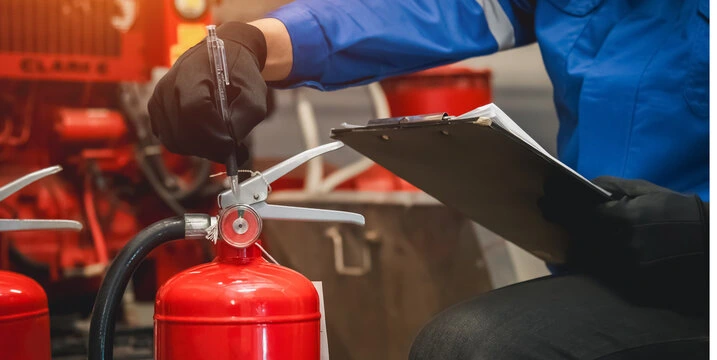
The inspection is based on the type of fire alarm installation system and devices installed at the property. Not every check will apply to every building.
Smoke Alarm and Smoke Detector Testing: Smoke alarms and detectors are checked for visible damage, secure fitting, contamination, power issues, fault indications and general operation. Where suitable, a functional test is carried out.
Heat Detector Testing and Kitchen Detection: Heat detectors are checked for condition and operation where they form part of the system. Their suitability should match the property layout and fire alarm design.
Interlinked Fire Alarm Operation: Where alarms are designed to work together, the engineer checks whether activation of one device correctly triggers the linked alarms.
Fire Alarm Control Panels and Zone Checks: For systems with a control panel, checks can include visible condition, fault signals, power status, disabled devices and zone information.
Manual Call Points and Alarm Sounders: Manual call points can be tested where included in the system, along with sounders and other warning devices, to confirm the alarm signal operates correctly.
Mains Supply and Standby Battery Checks: Where relevant, the engineer checks power indicators, standby batteries and any visible signs of supply or battery faults.
Fire Alarm Logbooks and Existing Records: Existing logbooks can help show previous tests, faults, repairs, false alarms and servicing history. These records are useful for ongoing maintenance.
Visual Checks for Damage, Faults and Missing Devices: The engineer also checks for damaged, loose, painted, obstructed or missing devices, visible panel faults and poor labelling. Any concerns found can be highlighted for further action.
Our Process
Our streamlined process makes it easy to keep your property safe, compliant, and fully certified from start to finish.
Property Details & Booking
Share the property postcode, type, number of floors, number of alarms, panel details if known and any access restrictions. This helps us confirm the correct inspection scope and arrange a suitable appointment.
System Inspection
Our engineer attends the property and checks the fire alarm system and devices included within the agreed scope. A visual inspection is completed before functional testing begins.
Fire Alarm Testing
Relevant alarm devices and system components are tested to check their operation. Any faults or issues found are recorded clearly for further action where required.
Certificate & Next Steps
After the inspection, the test results are recorded and the digital documentation is prepared. If any faults require corrective work, we will explain the next steps clearly before certification is completed.
Fire Safety Certification for Different Property Types
SafeHome London provides fire alarm testing and certification for a wide range of residential and commercial properties.
Rental Properties: We test smoke, heat and other relevant alarm devices in rented homes and help landlords keep clear fire safety records.
HMOs: HMOs may need more detailed fire detection systems depending on the number of floors, occupants, layout and licensing conditions.
Flats and Blocks: We inspect alarm systems in flats and communal areas, including relevant panels, detectors and other connected fire safety equipment.
Offices and Commercial Premises: Commercial properties may require fire alarms, emergency lighting, fire doors and other safety measures. Fire alarm testing helps confirm that the detection system is working correctly.
Shops and Restaurants: We test fire alarm systems in retail and hospitality settings, including smoke and heat detection suited to different areas of the premises.
Hotels and Short-Term Lets: Properties with sleeping guests need reliable alarm systems and clear fire safety arrangements to support safe evacuation.
Schools and Nurseries: We provide testing for schools, nurseries, colleges and other educational buildings, with appointments planned to reduce disruption where possible.
Care and Healthcare Premises: Fire alarm reliability is especially important where occupants may need help during an emergency.
Warehouses and Industrial Sites: We inspect fire alarm systems in warehouses and industrial buildings, with the scope based on the size, use and risk of the property.
Fire Safety Responsibilities for Landlords, Businesses and Responsible Persons
Fire safety duties depend on the type and use of the premises. Under the Regulatory Reform (Fire Safety) Order 2005, the responsible person must assess fire risks and put suitable safety measures in place. A fire alarm certificate supports this process but does not replace a full fire risk assessment or other legal duties. For rented homes in England, landlords must provide suitable smoke alarms and, where required, carbon monoxide alarms. Multi-occupied residential buildings may also have additional duties under the Fire Safety Act 2021 and the Fire Safety (England) Regulations 2022, including checks on fire doors, resident information and other building safety measures. HMOs may also be subject to local authority licence conditions, depending on the size, layout, occupancy and number of storeys. Fire alarm systems should therefore be maintained through routine checks, professional testing, fault repairs and clear record keeping to help ensure they remain effective over time.
Why Choose Us?
Our streamlined process makes it easy to keep your property safe, compliant, and fully certified from start to finish.
Flexible Appointments
We offer convenient EICR booking slots across London and work around your schedule to make the inspection process as smooth and hassle-free as possible.
Thorough Electrical Testing
Our electricians carry out detailed checks of the fixed electrical installation, including circuits, wiring, consumer units, sockets, earthing and protective devices.
Clear EICR Certification
After the inspection, you receive a clear EICR report showing whether the installation is satisfactory or unsatisfactory, together with details of any electrical issues identified.
What Happens If the Fire Alarm System Fails Testing?
A failed alarm or system fault does not always mean the whole system needs replacing. The correct action depends on the issue found.
Fire Alarm Faults: Common problems can include non-working detectors, failed batteries, damaged alarm heads, panel faults, faulty sounders or interlinking problems.
Remedial Work and Repairs: Where required, SafeHome London can help with suitable fire safety remedial work, such as replacing faulty devices or investigating system faults.
Re-Testing and Updated Documentation: After repairs, the affected equipment can be tested again to confirm the fault has been resolved. Updated documentation can then be provided where appropriate. Send us the property address, type, access details and basic electrical information so we can confirm the inspection scope. Once booked, our engineer will inspect and test the installation. You will then receive your EICR with the findings, classification codes and recommended next steps.
Why Choose SafeHome London for Fire Safety Certification?
SafeHome London provides clear, professional fire alarm testing and certification for residential and commercial properties across London. Our aim is to make the process simple, reliable and easy to manage. Experienced Fire Safety Engineers: Our engineers carry out practical fire alarm inspections, record the results clearly and explain any faults that need attention.
Testing to Relevant Standards: We assess the system based on the type of property, alarm setup and relevant fire safety guidance rather than using a one-size-fits-all approach.
Fast and Straightforward Service: We keep the booking, inspection and reporting process simple, with clear scope and prompt documentation.
Remedial Support Available: If faults are found, we can also help with repairs, detector replacement, further investigation and re-testing where required.
Residential and Commercial Coverage: We support landlords, HMOs, flats, offices, shops and other managed properties across London.
Common Fire Alarm Problems We Identify
Fire alarm faults are not always easy to notice. During testing, we commonly identify issues such as:
- Faulty or damaged detectors – Smoke or heat detectors may be damaged, loose or no longer working correctly.
- Battery or power supply faults – Weak batteries or power problems can affect the reliability of the alarm system.
- Fire alarm panel faults – Warning lights, fault signals or panel errors may show that the system needs attention.
- Interlinking failures – Linked alarms may fail to communicate, which can stop the warning from reaching other areas.
- Faulty call points or sounders – These faults can affect how an alarm is raised or heard.
- Inadequate detection coverage – Missing devices or changes to the property may leave some areas without suitable detection.
Any issues found during testing are recorded so the appropriate repair or further investigation can be arranged.
10+
Years of Experience
20,000+
Properties Certified
40+
Talented Engineers
Areas We Cover
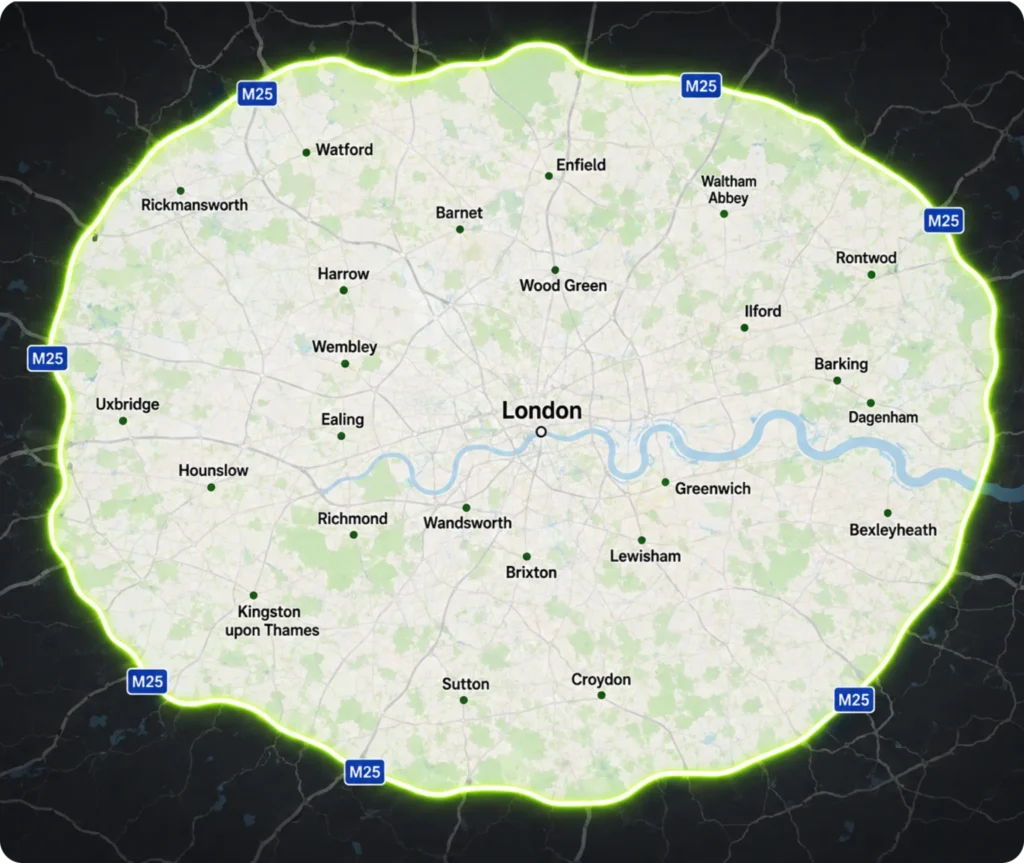
Central London
North West London
South West London
South East London
North London
West London
South London
East London
Frequently Asked Questions
What Is a Fire Safety Certificate?
The phrase Fire Safety Certificate is commonly used for documentation showing that relevant fire alarm or fire detection equipment has been inspected or tested. The exact document depends on the system and scope of inspection. It should not be confused with a Fire Risk Assessment, emergency lighting record or fire door inspection report.
Do Landlords Need a Fire Safety Certificate in London?
There is no single rule stating that every London landlord must hold one generic document called a Fire Safety Certificate. However, landlords can have legal duties relating to alarms and fire safety, and HMOs or other properties may have additional requirements. The documents and inspections needed depend on the property.
How Much Does a Fire Safety Certificate Cost in London?
Our standard prices start from £69 for up to three alarm devices. The price increases with the number of devices. Larger commercial systems may require a separate quotation.
How Quickly Will I Receive My Certificate?
Digital documentation is prepared after the inspection once the required information and payment are complete. Where faults prevent successful completion, we will explain what needs to happen next.
How Often Should a Fire Alarm System Be Tested or Serviced?
The correct interval depends on the system, premises, risk and applicable maintenance requirements. Different systems can have different testing and servicing routines. A professional inspection does not replace routine checks that may also need to be completed between service visits.
What Happens If My Fire Alarm System Fails the Inspection?
The fault will be identified and recorded. Where possible, we can provide a quotation for remedial work. After the problem is corrected, the affected equipment can be re-tested and the documentation updated as appropriate.
What Is the Difference Between a Fire Safety Certificate and a Fire Risk Assessment?
A fire alarm certificate or test record relates to the alarm or detection system tested. A Fire Risk Assessment looks at the wider fire risks in the premises and the measures needed to protect people. Many buildings may need both forms of fire safety management.
Accreditations