Fire Extinguisher Servicing London
Professional fire extinguisher servicing in London for landlords, businesses, managing agents, property managers and commercial premises. Our service covers the inspection, testing and routine maintenance of portable fire extinguishers, helping identify damaged, discharged, incorrectly positioned or unsuitable equipment. We can also assist with fire extinguisher supply, installation, commissioning and replacement, giving you one service for both existing and new fire safety equipment.
Fire Extinguisher Price
£75
Fire Safety
Details →
Gas Safety
Details →
EPC
Details →
FRA
Details →
Asbestos Survey
Details →
Legionella Risk Assessment
Details →
Professional Fire Extinguisher Servicing in London
Fire extinguishers need to remain accessible, correctly positioned and in suitable working condition so they are available when needed. Our professional fire extinguisher servicing includes checks designed to identify common problems such as:
Loss of pressure, Damaged cylinders, Corrosion, Missing safety pins, Broken tamper seals, Damaged hoses or horns, Discharged extinguishers, Missing or damaged labels, Incorrect positioning, Missing signage, Outdated servicing information
Where an issue is identified, we can advise whether further maintenance, recharging or replacement should be considered. Clear servicing records can also be provided to support the ongoing fire safety management of your premises.
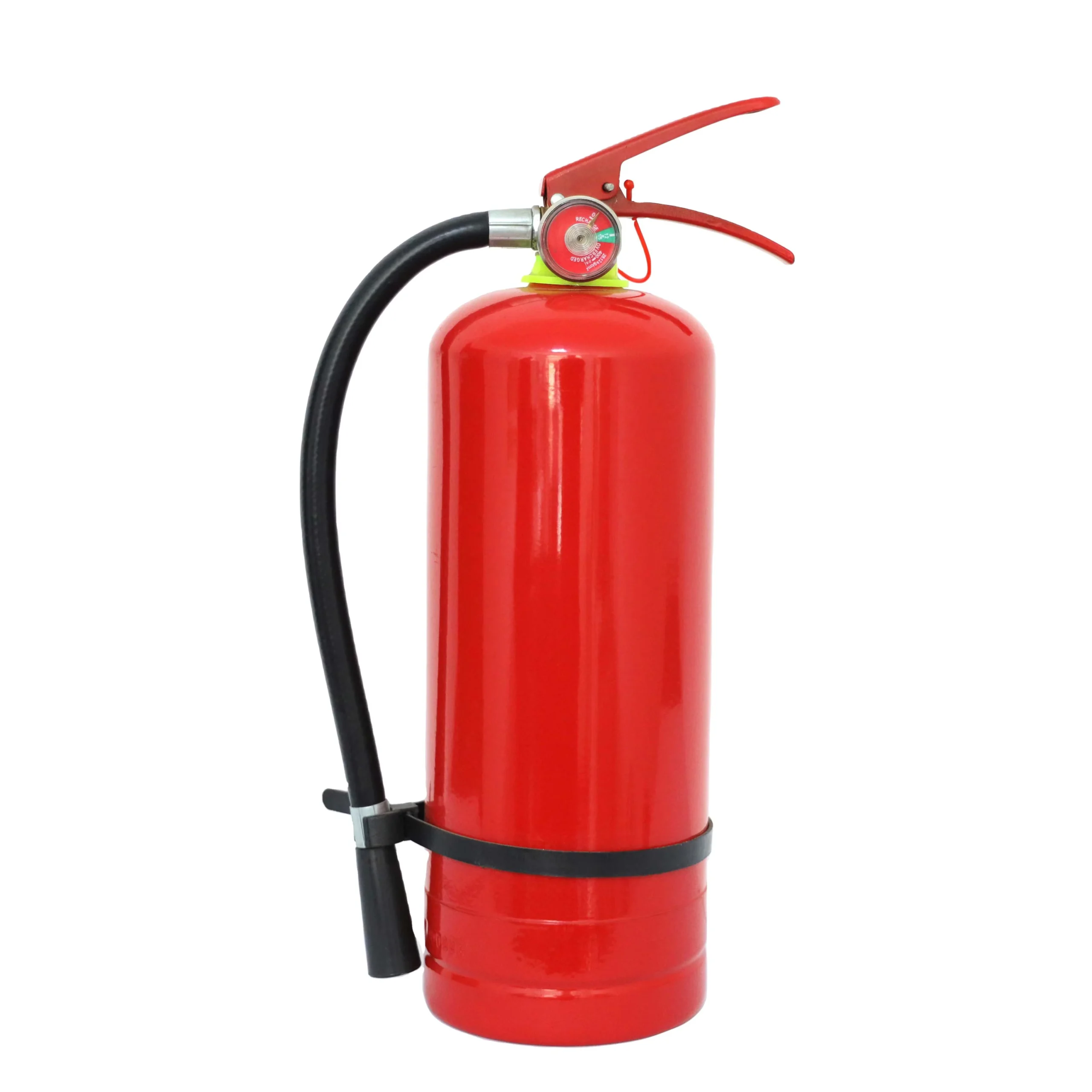
Complete Fire Extinguisher Services
We provide a complete range of fire extinguisher services in London, from routine inspection to the installation and commissioning of new equipment.
Fire Extinguisher Inspection: Each relevant extinguisher can be visually and physically inspected for its general condition, location, accessibility, identification and obvious signs of damage. The inspection also helps identify extinguishers that may be missing, unsuitable or overdue for further attention.
Fire Extinguisher Testing: Appropriate testing may form part of the servicing process depending on the type of extinguisher and the level of maintenance required. Checks can include:
Pressure condition, Extinguisher weight where applicable, Operating components, Hoses and horns, Safety pins, Tamper seals, Labels and instructions.
Fire Extinguisher Servicing:Routine servicing helps keep existing fire extinguishers properly maintained and provides an opportunity to identify deterioration or defects before the equipment is required in an emergency.
Fire Extinguisher Supply: If extinguishers are missing, damaged, unsuitable or need replacing, appropriate replacement equipment can be supplied according to the requirements of the premises.
Fire Extinguisher Installation: New fire extinguishers can be installed in suitable and accessible locations using appropriate wall brackets, stands or other mounting arrangements.
Fire Extinguisher Commissioning: New extinguishers should be appropriately checked and commissioned before being placed into service. This helps confirm that the equipment has been correctly installed and is ready for normal use.
Fire Extinguisher Service Records: Following servicing or commissioning, relevant documentation can be provided to help maintain an accurate record of the equipment at your property.
Our Process
Our streamlined process makes it easy to keep your property safe, compliant, and fully certified from start to finish.
Property Details & Booking
Share the property details, number of extinguishers and any access requirements so we can arrange the service.
Extinguisher Inspection
Our engineer checks the condition, location, accessibility and general suitability of each extinguisher.
Servicing & Testing
Relevant pressure, seals, pins, hoses, labels and operating components are checked as required.
Service Records & Next Steps
The results are recorded, and we explain if any extinguisher needs repair, recharging or replacement.
Fire Extinguisher Certification and Maintenance Records
Fire extinguisher servicing documentation provides evidence of the maintenance or commissioning carried out during the visit. Depending on the service completed, your records may include information such as:
- Extinguisher location
- Extinguisher type
- Equipment condition
- Service date
- Identified defects
- Maintenance completed
- Replacement recommendations
- Asset information
- Required follow-up actions
Good fire safety documentation should provide useful information about the condition of your equipment rather than simply confirming that a visit has taken place.
Fire Extinguisher Servicing Cost in London
The cost of fire extinguisher servicing in London depends on the number and type of extinguishers and the amount of work required. Factors that may affect your quotation include:
- Number of extinguishers
- Types of extinguishers
- Number of floors
- Size of the premises
- Site accessibility
- Required service level
- Replacement components
- Recharging requirements
- Replacement extinguishers
- Number of properties or locations
When comparing fire extinguisher servicing prices, it is worth checking exactly what is included. A lower initial price may not include replacement components, additional maintenance, documentation or replacement equipment. For properties with multiple extinguishers or businesses managing several sites, we can provide a quotation based on the overall scope of work.
Types of Fire Extinguishers We Service
Different types of extinguishers are designed for different fire risks. Selecting suitable equipment is therefore just as important as keeping it properly maintained.
Water Fire Extinguishers: Water extinguishers are primarily intended for Class A fires involving common solid combustible materials such as: Wood, Paper, Cardboard, Textiles, Certain furnishings
They may commonly be found in offices, schools, shops and other premises where these materials are present. The suitability of a water extinguisher should always be considered against the actual fire risks within the surrounding area.
Foam Fire Extinguishers: Foam extinguishers can be suitable for certain Class A and Class B fire risks. They may be used in environments containing ordinary combustible materials together with certain flammable-liquid risks. Typical premises can include: Offices, Warehouses, Workshops, Retail units, Commercial buildings. The appropriate extinguisher should always be selected according to the hazards identified within the premises.
CO2 Fire Extinguishers: A CO2 fire extinguisher is commonly used around electrical equipment and may also be suitable for certain Class B risks. Typical areas can contain: Computers, Servers, Printers, Electrical equipment, Machinery, Electrical control equipment
What Is a CO2 Fire Extinguisher Used For? CO2 extinguishers are frequently positioned where electrical equipment presents a potential fire risk. Carbon dioxide does not leave the same type of residue as water, foam or powder, which can make it appropriate for certain electrical and electronic environments. They are commonly found in offices, server rooms and areas containing electrical equipment. The correct extinguisher should still be selected according to the specific fire hazards present.
Dry Powder Fire Extinguishers: A dry powder fire extinguisher can be suitable for several types of fire depending on the extinguisher specification and environment. Certain powder extinguishers may be appropriate for: Class A fires, Class B fires, Class C fires, Certain electrical risk.
Although powder offers broad fire-fighting capability, it is not suitable for every environment. Discharge can produce a significant powder cloud, reduce visibility and contaminate equipment, particularly inside occupied premises. For this reason, dry powder extinguishers should be selected according to the actual risks and surroundings.
What Colour Is a Dry Powder Fire Extinguisher? Modern UK portable fire extinguishers generally have a red body with a coloured identification band or label. Dry powder extinguishers are normally identified by a blue band. Labels and equipment markings should always be checked rather than relying solely on colour.
Common Fire Extinguisher Types
Fire Extinguisher | Typical Application |
Water | Class A combustible materials |
Foam | Certain Class A and Class B fires |
CO2 | Electrical equipment and certain Class B risks |
Dry Powder | Several fire classes depending on the extinguisher and environment |
Wet Chemical | Cooking oils, fats and Class F fires |
The correct extinguisher should always be selected according to the hazards present within the premises.
Fire Extinguishers for Different Fire RisksElectrical Equipment
CO2 extinguishers are commonly considered for areas containing certain electrical risks.
General Combustible Materials: Water or suitable foam extinguishers may be appropriate for materials such as paper, cardboard, wood and textiles depending on the surrounding hazards.
Flammable Liquids: Foam or another suitable extinguishing medium may be required depending on the type of flammable liquid and the premises.
Commercial Kitchens: Wet chemical extinguishers are commonly used where cooking oils and fats create a Class F fire risk.
Outdoor and Specialist Risks: Dry powder extinguishers may be appropriate for certain outdoor, industrial or specialist environments. Final extinguisher selection should be based on the risks present within the property and relevant fire safety guidance.
Why Choose Safe Home London for Fire Extinguisher Servicing?
Safe Home London provides professional and reliable fire extinguisher servicing across London for landlords, businesses and commercial properties. Our service can include inspection, testing, installation, commissioning and replacement of different types of fire extinguishers. Our experienced team checks the condition, location and general suitability of your fire safety equipment and highlights any units that may require repair, recharging or replacement. We can service common extinguisher types including water, foam, CO2, dry powder and wet chemical extinguishers. Following the visit, clear service records and relevant documentation can be provided to help you maintain accurate fire safety records. Whether you need servicing for a single property or multiple sites, Safe Home London offers straightforward quotations, flexible appointments and dependable London-wide coverage.
Fire Extinguisher Servicing for Businesses and Property Managers
Our fire extinguisher servicing is suitable for individual properties as well as businesses and organisations responsible for multiple buildings. We can support: Landlords, Managing agents, Property managers, Facilities managers, Business owners, Offices, Shops and retail premises, Restaurants, Hotels, Schools, Care homes, Warehouses, HMOs, Residential blocks, Commercial kitchens, Industrial premises. For larger buildings and property portfolios, maintaining clear equipment and asset records can make it easier to identify each extinguisher and manage future servicing requirements.
10+
Years of Experience
20,000+
Properties Certified
40+
Talented Engineers
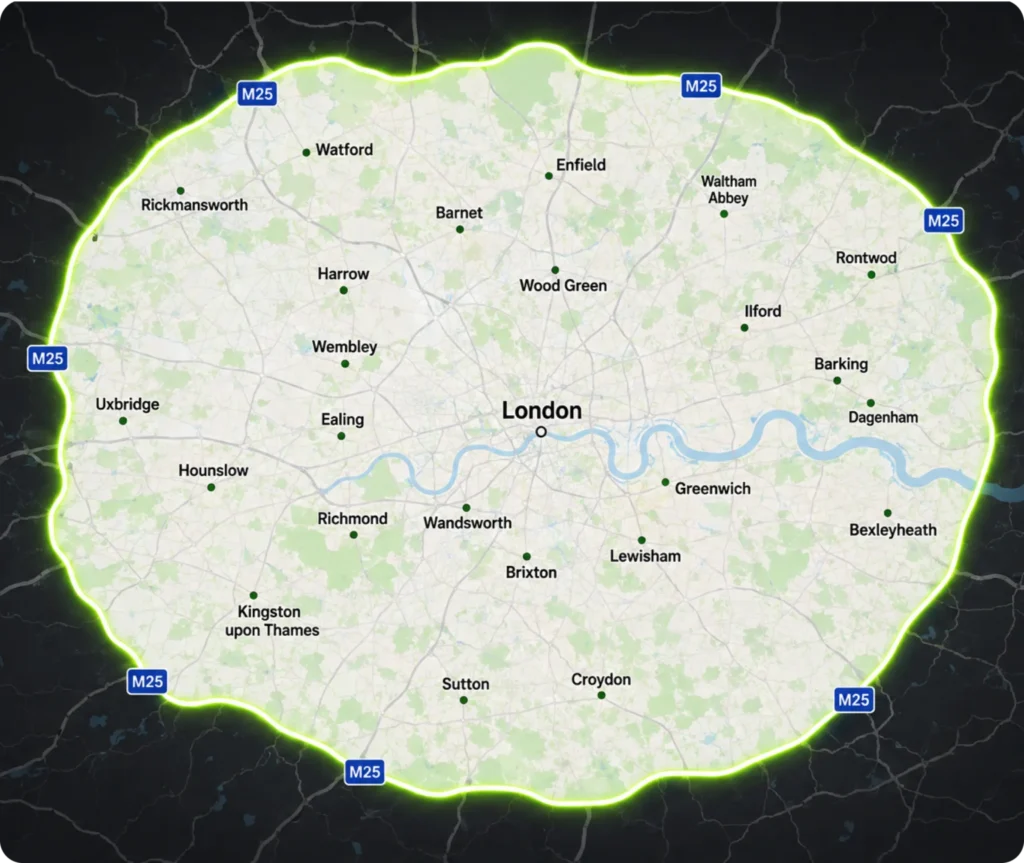
Areas We Cover
Central London
North West London
South West London
South East London
North London
West London
South London
East London
Frequently Asked Questions
What Does Fire Extinguisher Servicing Include?
A typical fire extinguisher service can include checking the extinguisher’s overall condition, pressure or weight where applicable, safety pin, tamper seal, hose, horn, labels, location and previous servicing information. Any visible defects or equipment requiring further attention can also be identified.
How Often Should Fire Extinguishers Be Serviced?
Competent-person servicing is commonly arranged on a regular basis, often annually, while additional or extended maintenance may be required at different intervals depending on the extinguisher type and condition.
How Much Does Fire Extinguisher Servicing Cost?
The cost depends on factors including the number and type of extinguishers, size of the property and whether additional maintenance, recharging, replacement parts or new extinguishers are required.
Is Fire Extinguisher Testing the Same as Servicing?
Not exactly.
Testing may form part of the servicing process, while a complete service can also include visual inspection, condition checks, maintenance, equipment identification and servicing documentation.
What Is Fire Extinguisher Certification?
Fire extinguisher certification or servicing documentation provides a record of the maintenance, inspection or commissioning work completed on the equipment.
What Is a Foam Fire Extinguisher Used For?
Foam extinguishers can be suitable for certain Class A fires involving combustible materials and certain Class B fires involving flammable liquids.
What Is a CO2 Fire Extinguisher Used For?
CO2 extinguishers are commonly associated with electrical equipment and certain Class B fire risks.
What Is a Dry Powder Fire Extinguisher Used For?
Dry powder extinguishers can be suitable for several fire classes depending on their specification. Their use inside occupied buildings needs careful consideration because discharged powder can affect visibility and contaminate surrounding equipment.
What Colour Is a Dry Powder Fire Extinguisher?
Dry powder extinguishers in the UK normally have a red body with a blue identification band or label.
What Is a Water Fire Extinguisher Used For?
Water extinguishers are mainly intended for Class A fires involving solid combustible materials such as paper, cardboard, wood and textiles.
What Is a Wet Chemical Fire Extinguisher Used For?
Wet chemical extinguishers are primarily designed for Class F fires involving cooking oils and fats, making them particularly relevant to commercial kitchens and catering environments.
Accrediations