Emergency Lighting Certificate London
Need an Emergency Lighting Certificate in London for an HMO, block of flats, office or commercial property? Safe Home London provides professional emergency lighting inspection and testing across London. We check whether the relevant emergency lights operate when the normal lighting supply fails, record the results and provide clear digital documentation after testing. Our service is suitable for landlords, managing agents, business owners and responsible persons who need reliable emergency lighting records for their property.
Emergency Lighting Certificate Prices
Upto 3 Lights
£69
3 - 5 Lights
£79
5 - 8 Lights
£89
8 - 12 Lights
£99
Fire Safety
Details →
Gas Safety
Details →
EPC
Details →
FRA
Details →
Asbestos Survey
Details →
EICR
Details →
Emergency Lighting Testing and Certification in London
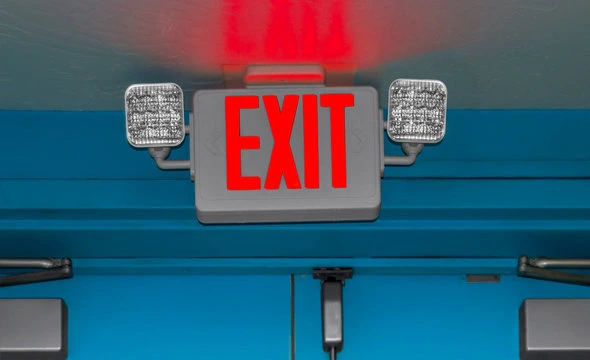
Emergency lighting helps people leave a building safely if the normal lighting supply fails. A power failure can leave corridors, stairs and exits difficult to see. Emergency lights are designed to operate when this happens so people can find their way towards a safe exit. Fire safety guidance requires emergency lighting where it is necessary to keep escape routes safely illuminated. The need and extent of the system should be considered as part of the property’s fire risk assessment.
What Our Emergency Lighting Inspection Covers
The inspection is based on the type of emergency lighting system and the test required.
Visual Inspection: We check emergency light fittings for visible damage, obstruction, poor condition and missing or damaged exit signs.
Functional Testing: Emergency lights are tested to confirm they switch on correctly when the normal lighting supply fails.
Battery and Charging Checks: We check for battery, charging and power faults that could affect the operation or duration of the fittings.
Exit Sign and Directional Lighting Checks: Illuminated exit signs are checked for condition, visibility and correct operation.
Escape Route Lighting Review: We inspect emergency lighting along corridors, stairs, final exits and other relevant escape areas.
Fitting Condition and Position: We review whether fittings are in suitable condition and positioned to support the intended escape route.
Test Records and Logbook: Where available, previous test records and maintenance information may also be reviewed.
Emergency Lighting Standards and Compliance Requirements
Emergency lighting should be suitable for the property, escape routes and people using the building.
BS 5266-1:2025: BS 5266-1:2025 provides guidance for the design, installation, testing and maintenance of emergency lighting systems.
BS EN 50172:2024: BS EN 50172:2024 covers emergency escape lighting systems, including operation, testing and maintenance requirements.
Fire Safety Responsibilities: Where emergency lighting is required, it should help keep escape routes and exits visible if normal lighting fails. It should form part of the wider fire safety arrangements for the property.
Testing and Maintenance: Emergency lighting should be checked regularly through: Routine visual checks, Monthly functional tests, Annual duration tests, Prompt repair of faults, Up-to-date testing records. Keeping certificates and logbook records organised can also make future compliance checks easier.
Our Process
Our streamlined process makes it easy to keep your property safe, compliant, and fully certified from start to finish.
Confirm the Property Details
Provide the property postcode, property type, number of floors and approximate number of emergency lights. You can also share any previous certificates, Fire Risk Assessment recommendations or access information.
Inspect the Emergency Lighting System
Our engineer attends the property and checks the emergency light fittings included within the agreed scope. A visual inspection is carried out to identify any visible damage or obvious faults.
Carry Out the Required Testing
The engineer performs the appropriate functional or full-duration test, depending on the service booked. Each relevant emergency fitting is checked and the individual test results are recorded.
Record Results and Issue Certification
After testing is complete, the results are reviewed and any failed fittings or defects are clearly identified. Digital documentation is then prepared and issued once the inspection process is complete.
Types of Emergency Lighting Systems We Inspect
We inspect different types of emergency lighting based on the building and escape routes.
Maintained Emergency Lighting: Stays illuminated during normal use and continues working if the main power fails.
Non-Maintained Emergency Lighting: Normally remains off and switches on automatically during a power failure.
Emergency Exit Signs: Illuminated signs help occupants identify the correct direction of escape.
Escape Route Lighting: Provides light along corridors, staircases, exits and changes of direction or level.
Open-Area Lighting: Helps people move safely through larger rooms and open spaces during a power failure.
High-Risk Task Lighting: Provides temporary lighting where equipment or processes need to be made safe before evacuation.
Emergency Lighting Certification for Different Property Types
Safe Home London provides emergency lighting testing for residential and commercial properties across London.
HMOs and Shared Accommodation: We test emergency lighting in communal escape routes, stairs and shared areas.
Blocks of Flats and Communal Areas: Testing can cover corridors, staircases, exits and other shared escape routes.
Offices and Commercial Buildings: We inspect emergency lighting systems used to support safe evacuation during a power failure.
Shops, Restaurants and Hospitality Premises: Testing can include customer areas, staff areas, escape routes and illuminated exit signs.
Hotels and Short-Term Accommodation: Emergency lighting helps guests find safe escape routes if normal lighting fails.
Schools, Care Homes and Healthcare Premises: We test emergency lighting in properties where clear and reliable escape routes are especially important.
Warehouses and Industrial Premises: Testing can cover large open areas, stairways, exits and other key escape routes.
What Happens If Emergency Lighting Fails the Test?
A failed fitting does not always mean the full emergency lighting system needs replacement. The next step depends on the fault.
Recording Failed Fittings and Defects: Any failures identified during the inspection are recorded. This helps you understand which fittings or parts of the system require action.
Emergency Lighting Repairs and Replacement Fittings: Common remedial work can include:, Battery replacement, Emergency fitting replacement, Electrical repairs, Replacement exit signs, Repair of damaged units. The appropriate solution depends on the condition of the fitting and system.
Correcting Coverage and Signage Issues: If testing identifies a possible coverage or signage problem, further assessment may be required. Additional lights or different signage may be recommended where necessary.
Re-Testing After Remedial Work: Repaired or replaced fittings should be tested to confirm that they operate correctly. Where the original issue involved duration, an appropriate duration test may also be needed.
Updating Certification After Successful Repairs: Once relevant remedial work and testing are complete, updated documentation can be provided where appropriate. This creates a clear record from the original fault through to correction.
Why Choose Safe Home London for Emergency Lighting Certification?
Safe Home London provides professional emergency lighting testing for landlords, managing agents and businesses across London. Our inspections follow relevant BS 5266 and BS EN guidance, with clear digital documentation provided after testing. We keep the process straightforward with transparent pricing, prompt certificate turnaround and practical advice if any faults are found. Where required, we can also support repairs, replacement fittings and re-testing. Our service covers HMOs, blocks of flats, offices, shops, hospitality premises and other commercial properties across London.
10+
Years of Experience
20,000+
Properties Certified
40+
Talented Engineers

Areas We Cover
Central London
North West London
South West London
South East London
North London
West London
South London
East London
Frequently Asked Questions
What Is an Emergency Lighting Certificate?
An Emergency Lighting Certificate is a record showing that an emergency lighting system has been inspected or tested. It normally identifies the property, type of test, results and any defects found.
Do I Need an Emergency Lighting Certificate in London?
Not every property needs the same emergency lighting system. Where emergency lighting is required as part of the fire safety arrangements, it should be regularly tested and maintained. The need for emergency lighting should be considered through the Fire Risk Assessment and the use and layout of the building.
What Is the Difference Between a Monthly Test and an Annual Test?
Government fire-safety guidance describes a short functional test each month and an annual full-discharge test as typical arrangements. Test records should also be maintained. The exact maintenance requirements should reflect the system and applicable guidance.
How Often Should a Commercial EICR Be Carried Out?
A monthly test is normally a short functional check to confirm that emergency fittings switch on. The annual test checks whether the system can continue to operate for its full rated duration.
Do HMOs Need Emergency Lighting Testing?
Where emergency lighting is installed or required in an HMO, it should be properly maintained and tested. The exact requirements can depend on the HMO layout, fire risk assessment and local authority licensing conditions.
Can You Repair Failed Emergency Lights After Testing?
Where suitable remedial work falls within our service scope, Safe Home London can help arrange repairs or replacement fittings. The repaired system can then be re-tested as required.
Do Commercial Properties Need Emergency Lighting Certification?
Commercial premises may require emergency lighting where escape routes need artificial illumination. Where a system is installed, regular testing and maintenance records help the responsible person manage their fire safety duties.
Accrediations